Posts Tagged ‘Cycling’


Weekend cycles are good to get ready (mentally and physically) for my 2 month cycle to the North Cape in 6 weeks. This weekend I left my home in Eindhoven, touched French soil (in Givet), and returned to Namur in Belgium to catch the train home.

Eindhoven – Givet – Namur. Info and gpx download on EveryTrail

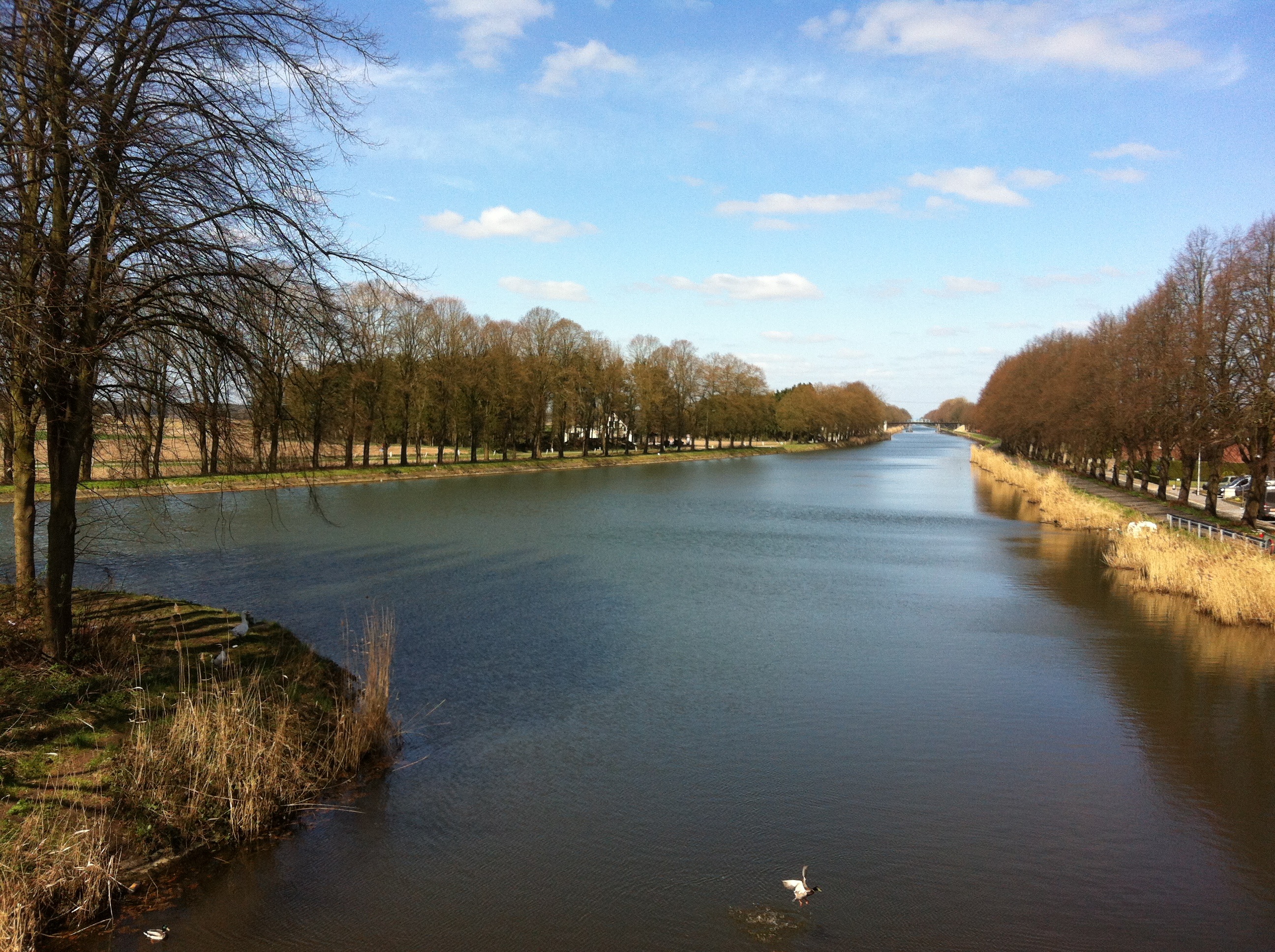
Flat and curvy is better than up and down, and up and down. This trip I followed the Maas River (which is flat and curvy), starting with passing through my favourite forest, then cycling along my favourite canal – a canal following the Maas on the Belgian side of the border.
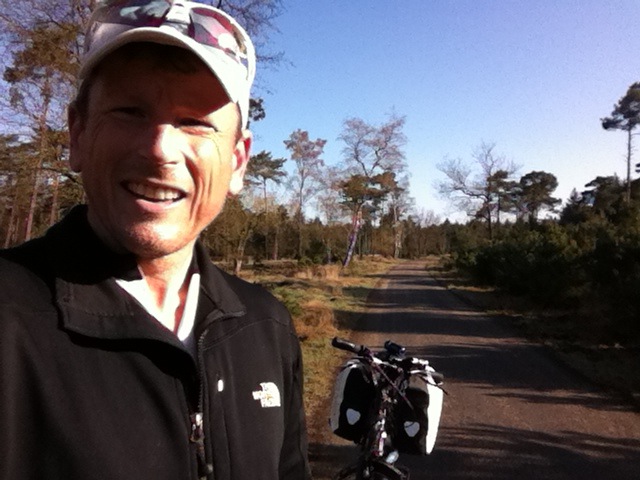
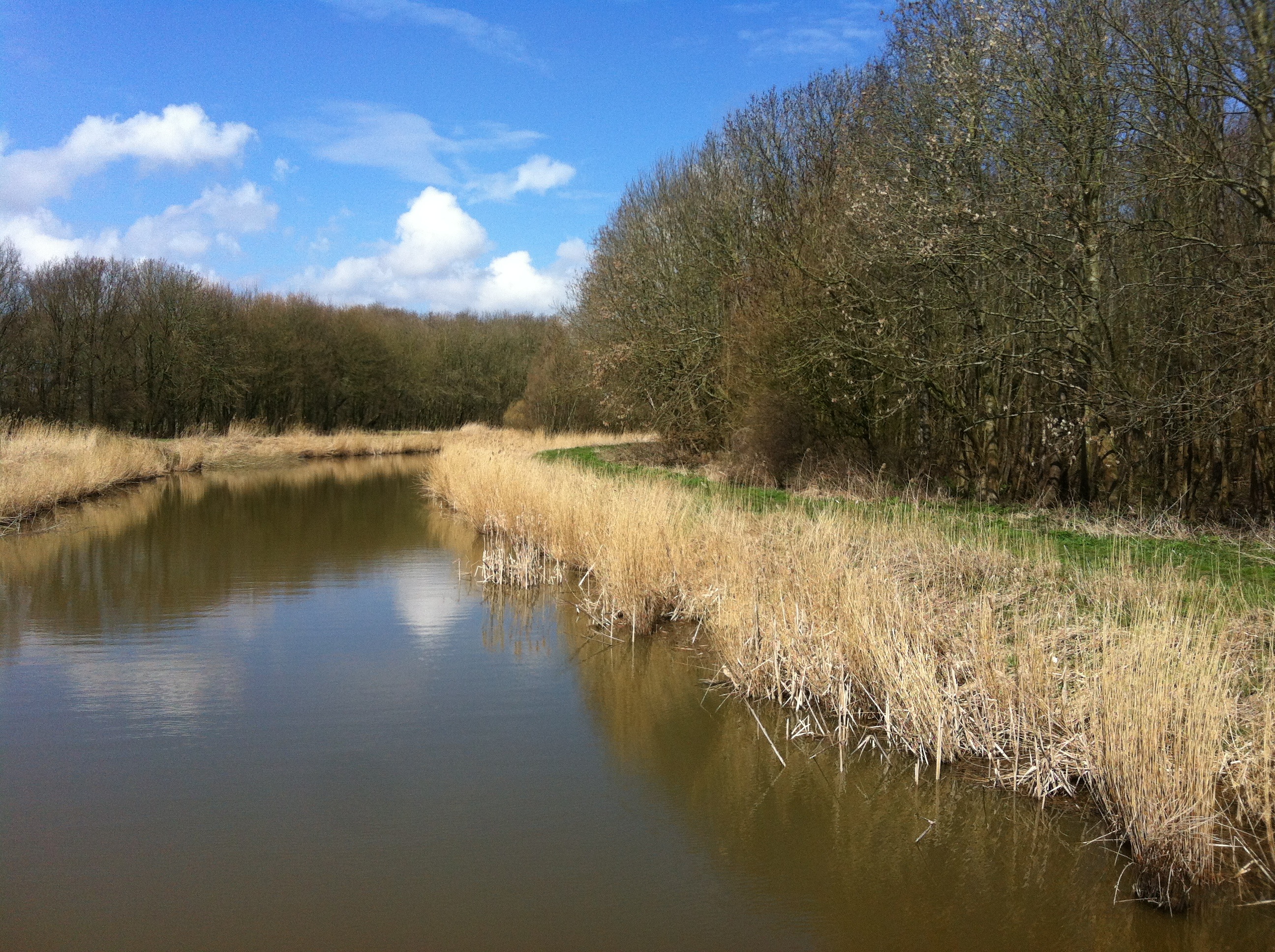
Leendebos
Leendebos

The view over the canal following the Dutch - Belgian border

The view over the canal following the Dutch – Belgian border
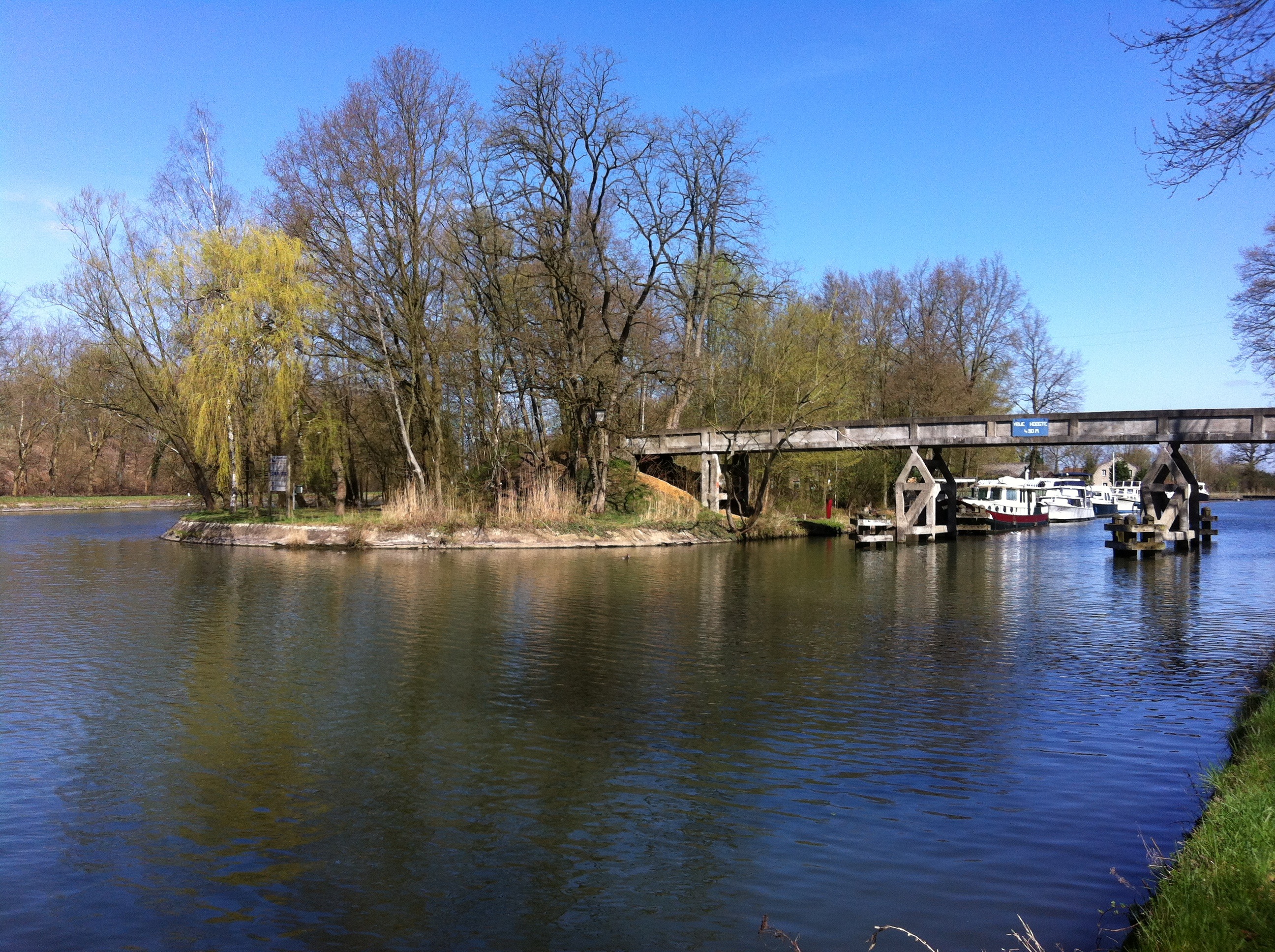
Lovely island in the canal.

Lovely island in the canal.

I had chosen to cycle south as the wind was blowing that way. When I have no concrete destination in mind – cycle where the wind blows. I will have enough headwinds cycling to the North Cape.

After Maastricht (well, skirting around it), I entered new territory. Castles, fields and a beautiful river – the Maas (Meuse).
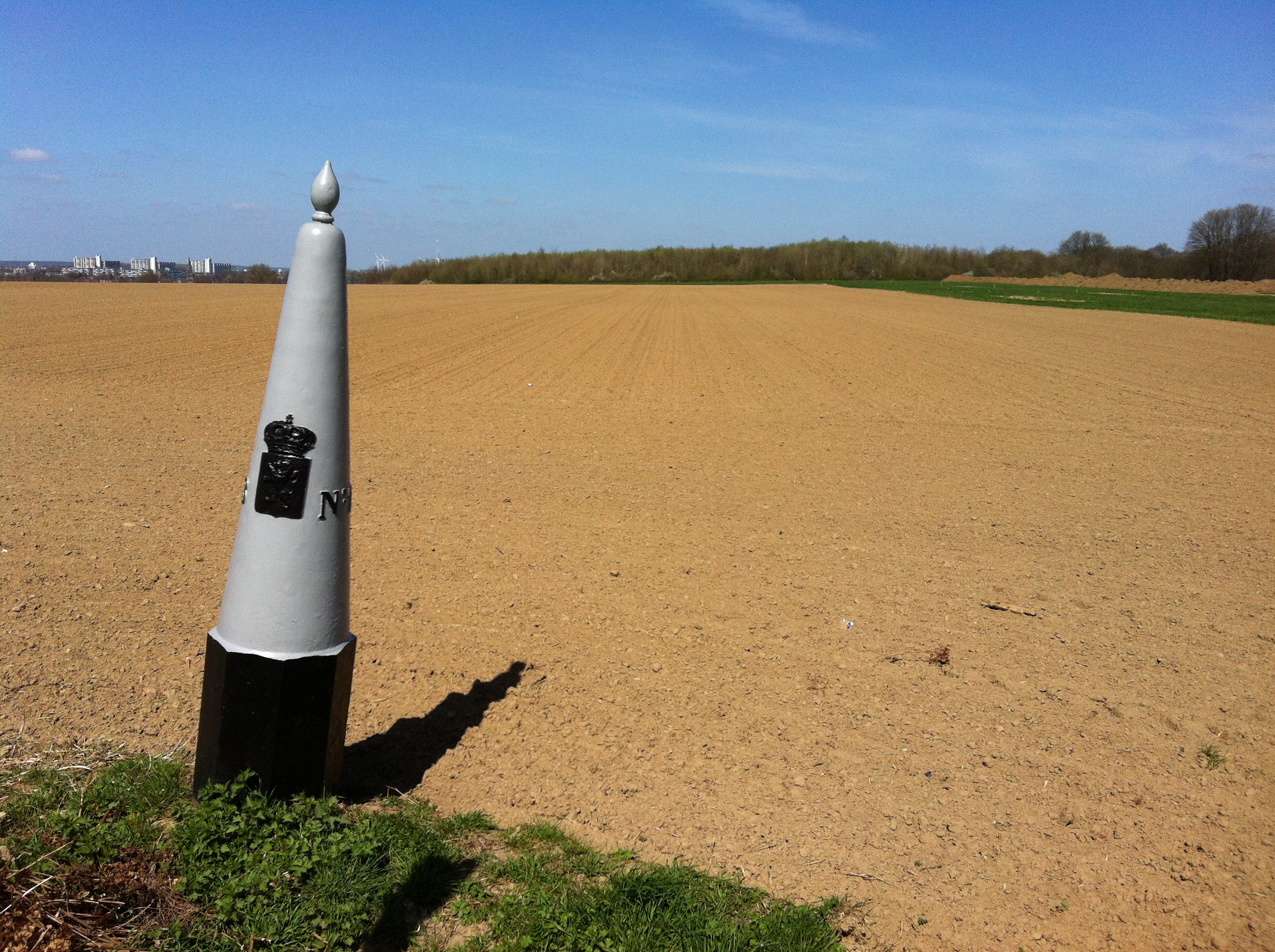
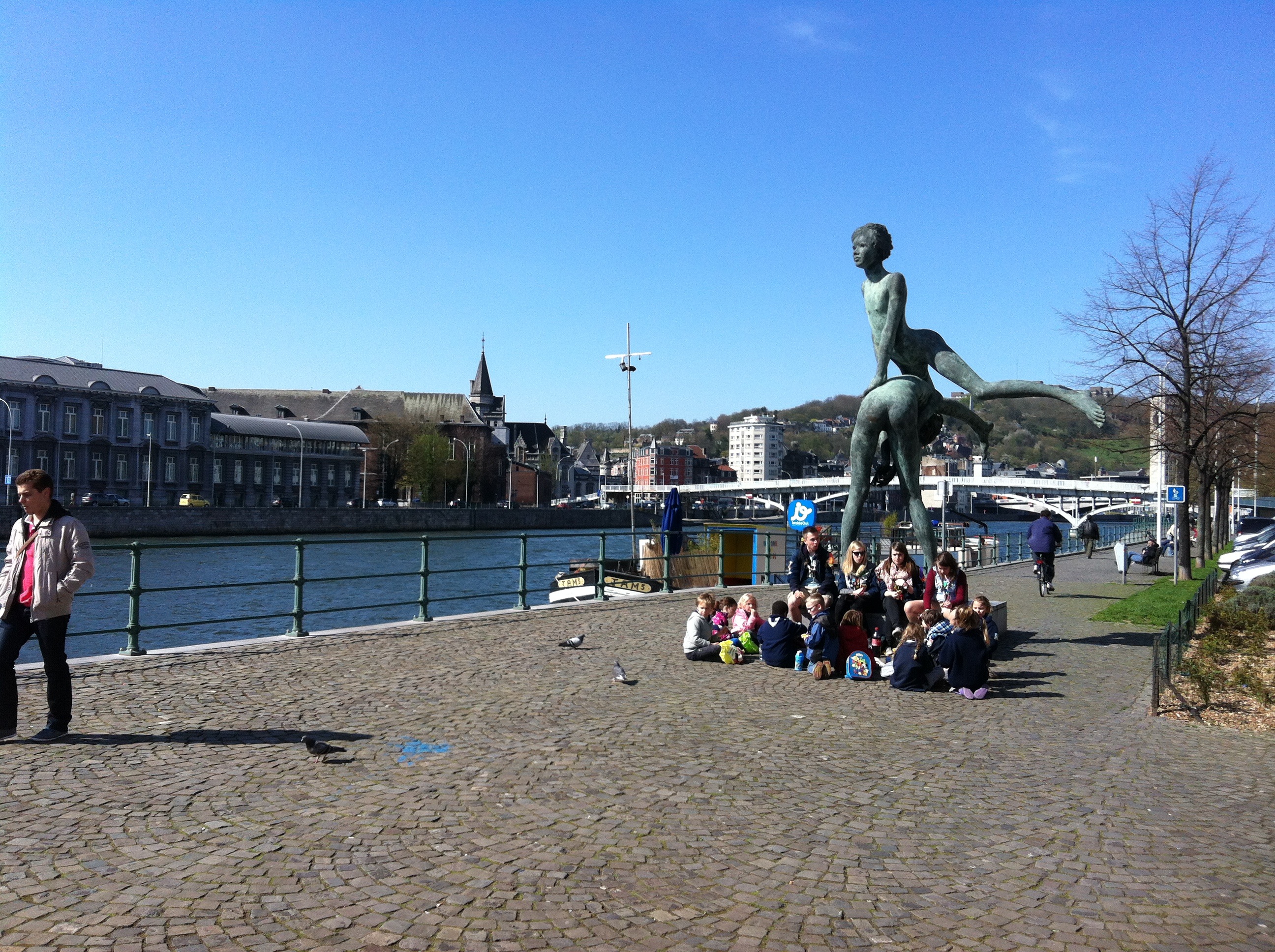
Border post
Border post

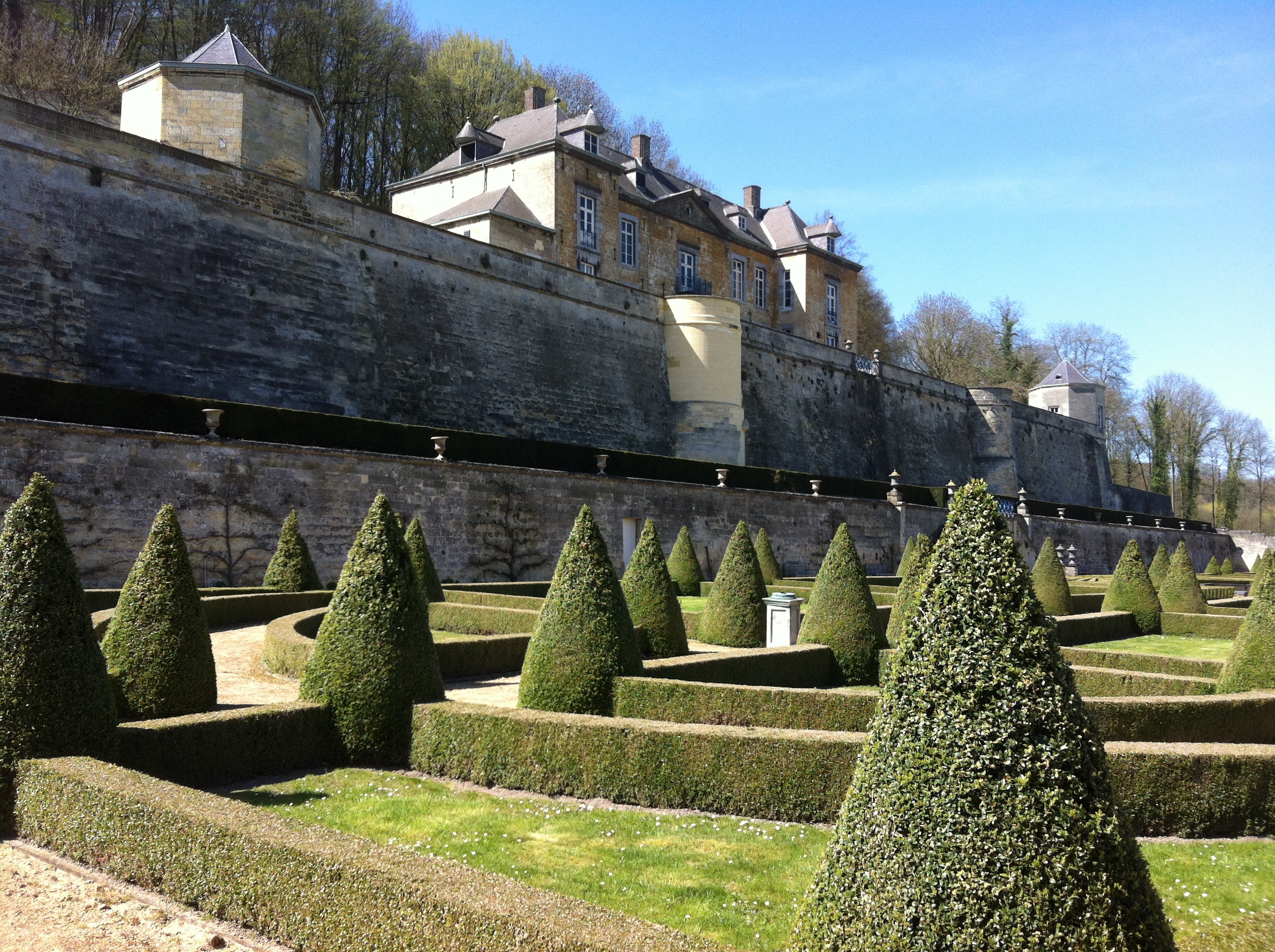
Castle at the Dutch-Belgian border
Castle at the Dutch-Belgian border

Meuse at Liege

Meuse at Liege

When the road was nice, it was very nice – bike paths and no cars. In Belgium (Wallonie), the cycle network is not connected. So.. When it was not nice, it was not nice. Busy roads, loud. Not fun.

I had booked a room in a castle in Huy – between Liege and Maastricht on the Maas. It was a lovely castle with friendly, helpful staff. They gave me a great tip for a cycle route the next day. And, it had an interesting view – looking out over the nuclear reactor on the other side of the street.
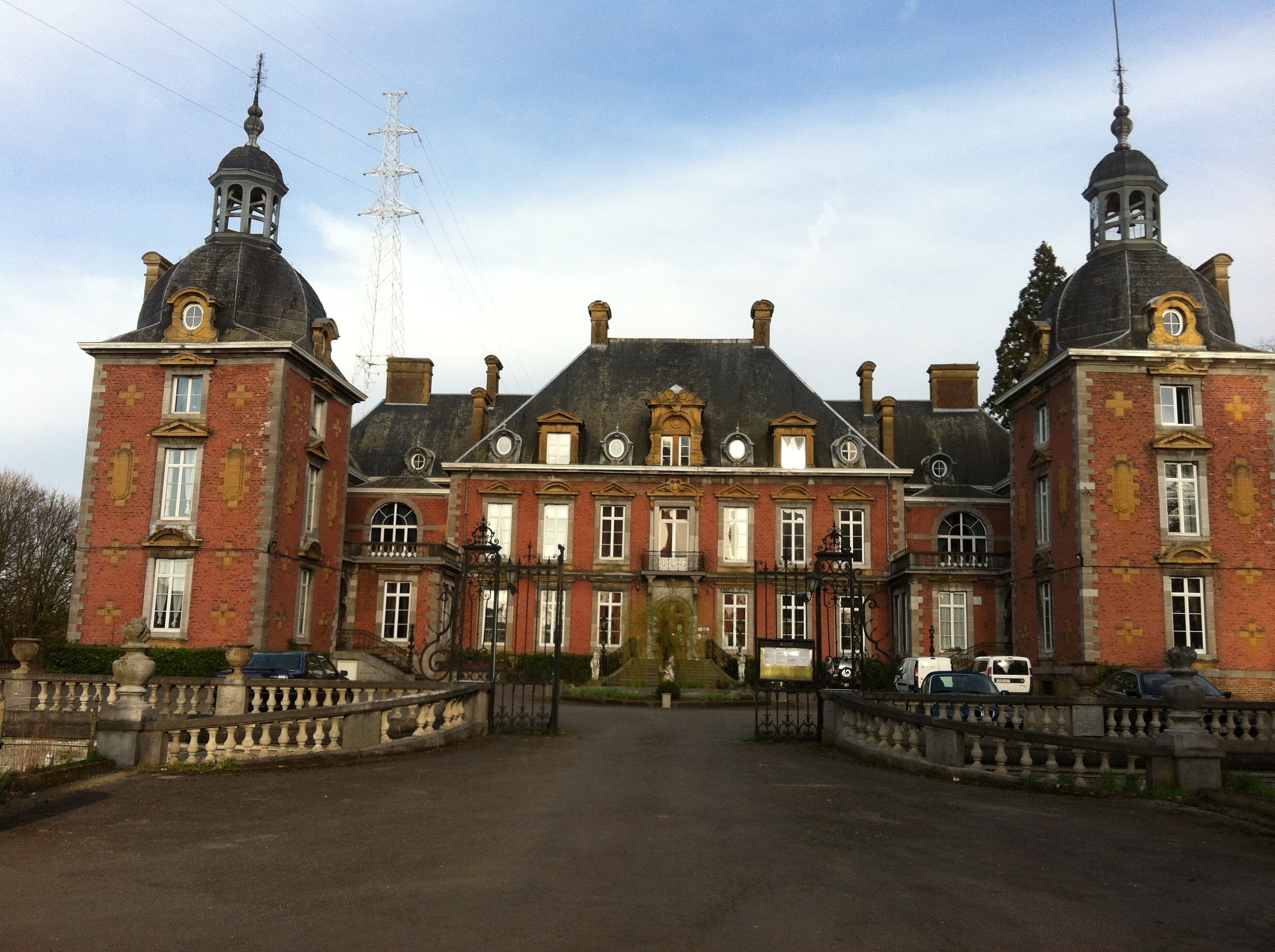
Domaine Du Chateau de la Neuville
Domaine Du Chateau de la Neuville

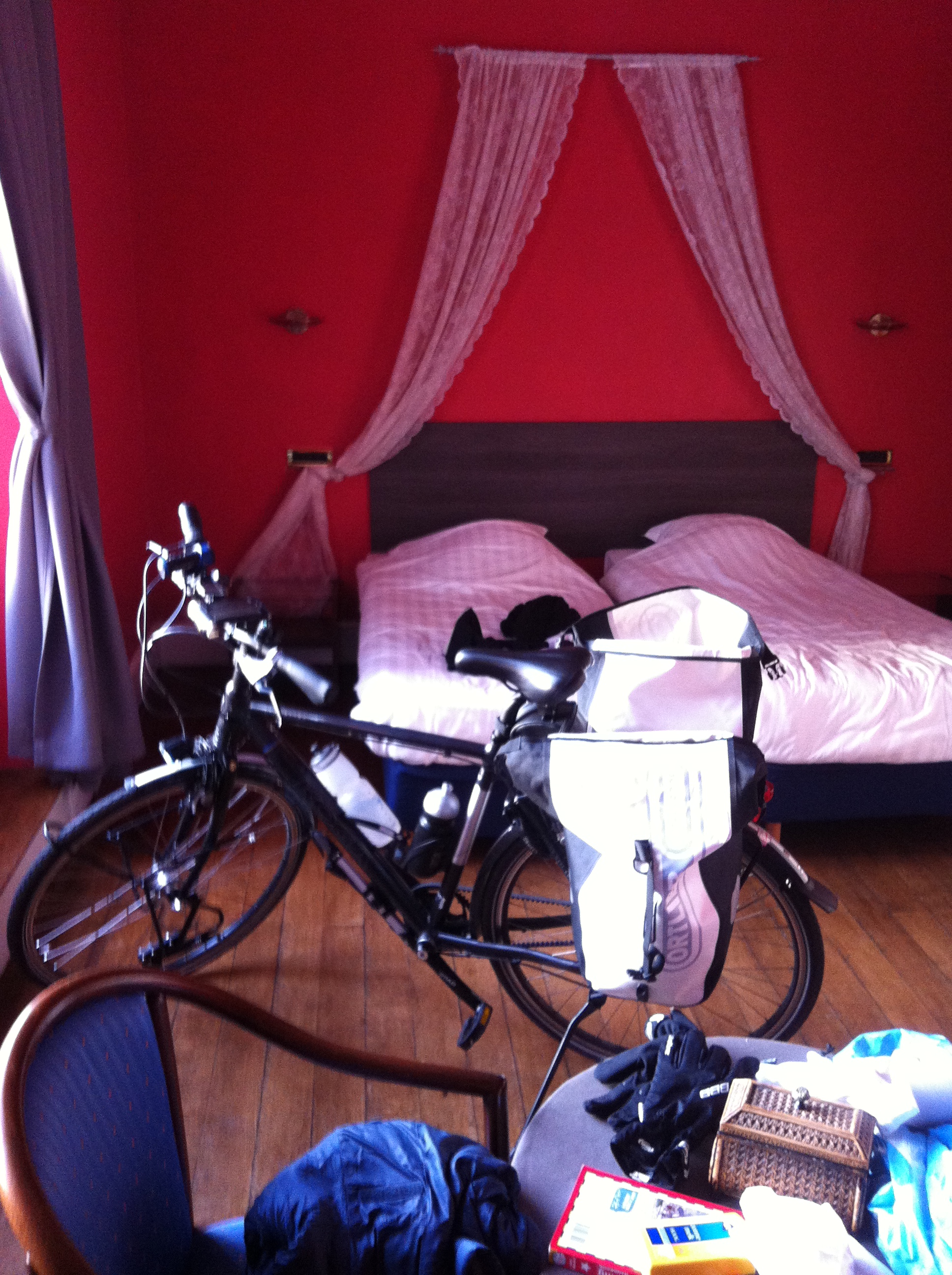
Bedroom with my bike
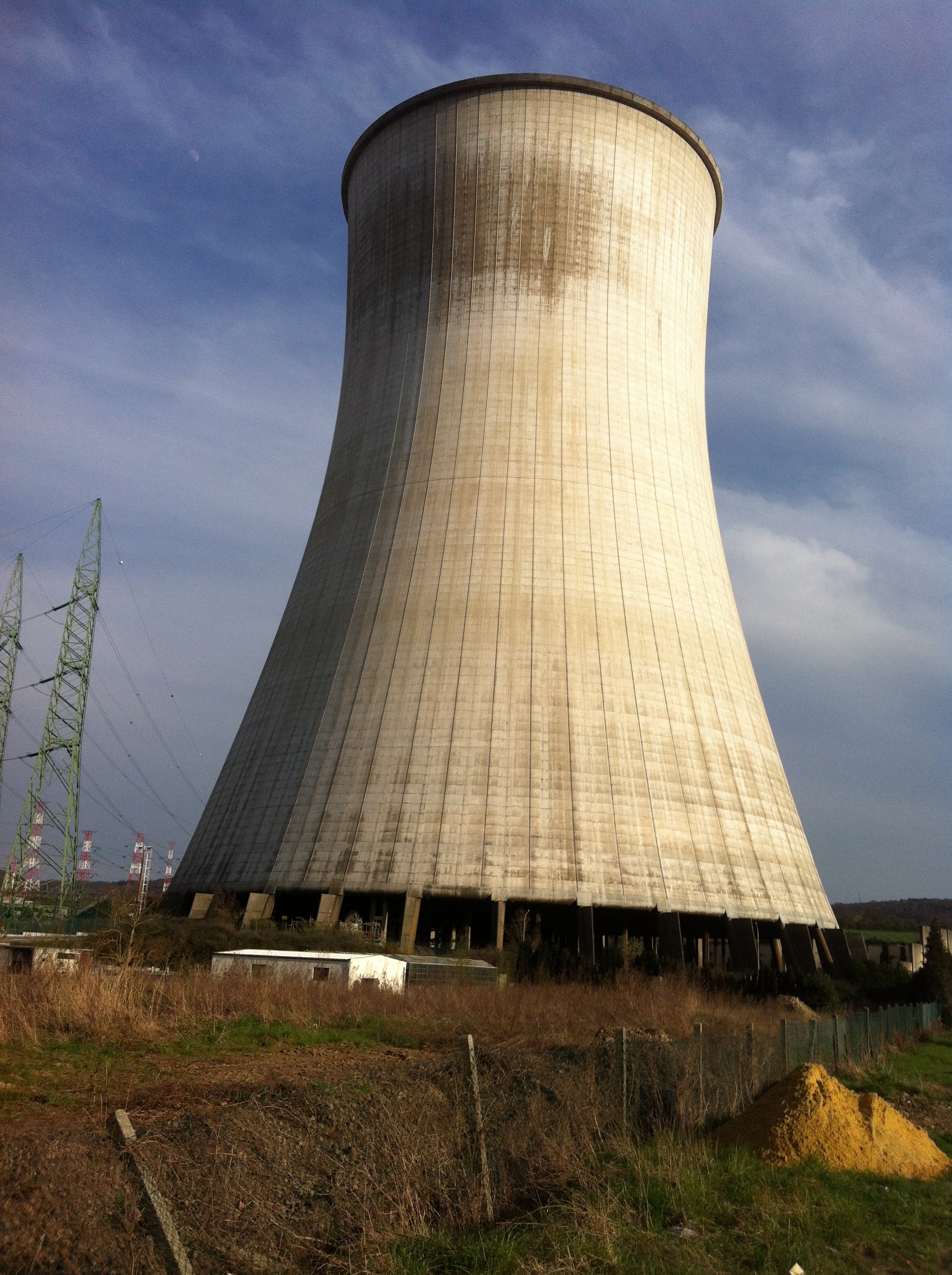
Bedroom with my bike

Lovely view

Lovely view

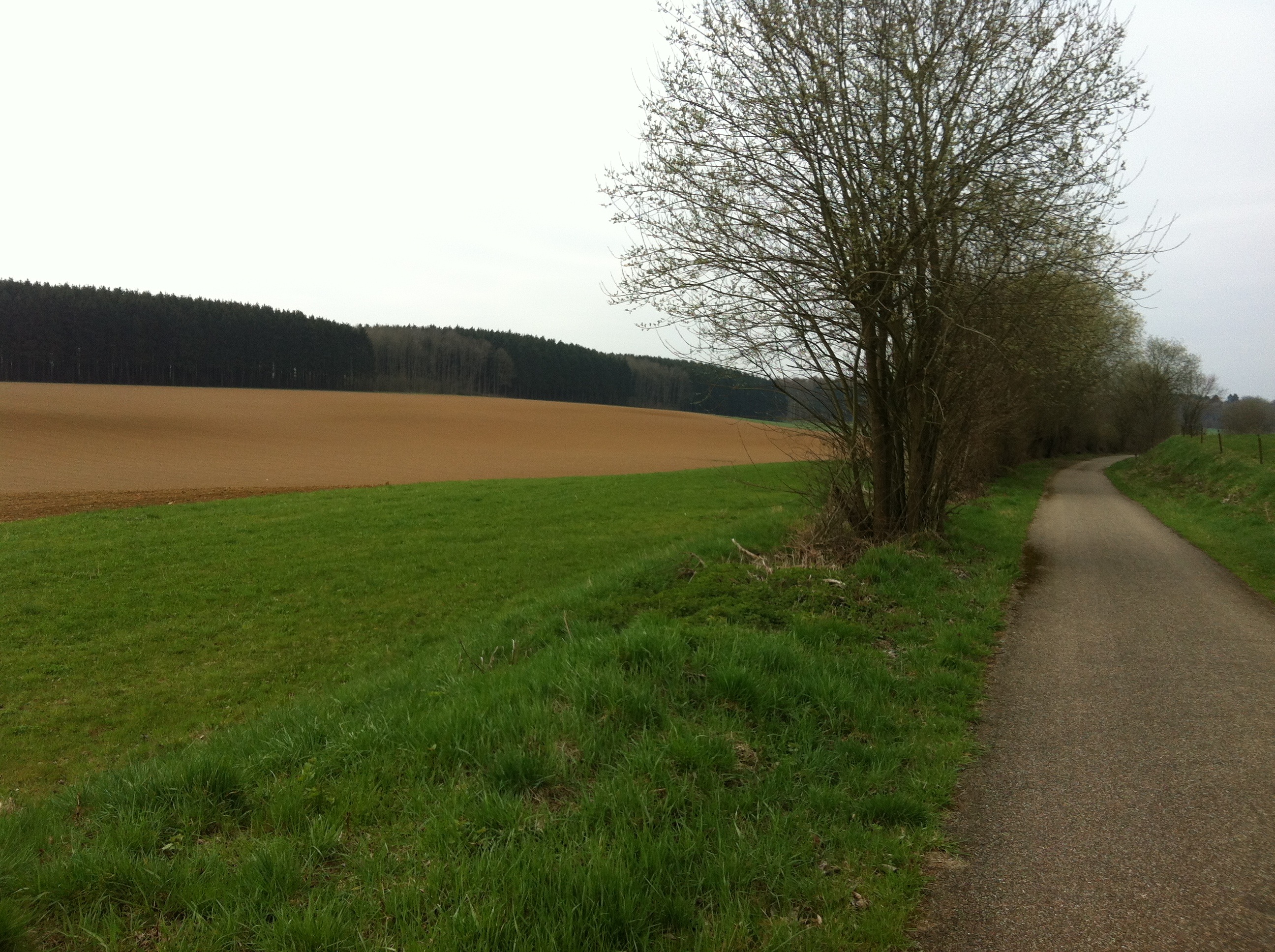
In Wallonie (the french speaking part of Belgium), they have the RAVeL network (Reseau Autonome des Voies Lents) – ravel.wallonie.be. These are separate bike roads, no cars in sight (usually), passing leisurely through the countryside. I first discovered these when I crossed the border into Belgium (there was a big sign explaining the system). In Huy, I was suggested to go on the Ligne 126 to Ciney. This followed an old train track, passing up a beautiful valley, through forests, and through a high area above the valley. And, as it followed an old train line, it was not steep. And it was empty. Beautiful.
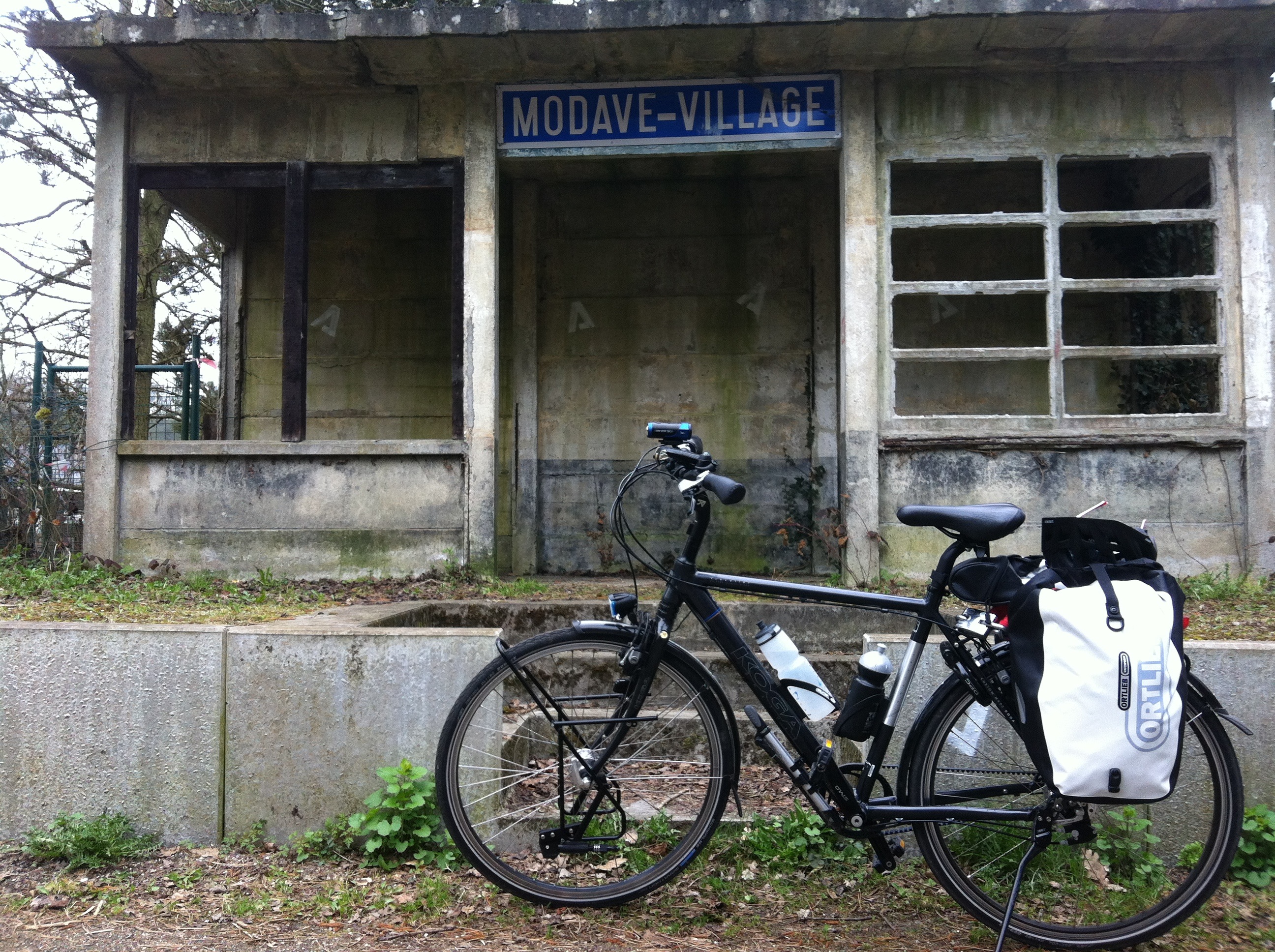
Abandoned train station on Ligne 126
Abandoned train station on Ligne 126

Fields

Fields

Reaching the end of the path, I had to make my way uphill and down dale to the Meuse. The landscape away from the Meuse is undulating, and then a sudden steep drop to the river. Fun to cycle down, but once you’re down, its hard to leave the valley. The steep sides of the Meuse River made for some lovely cycling. I passed vertical rockfaces covered with rock climbers. Looked like fun.
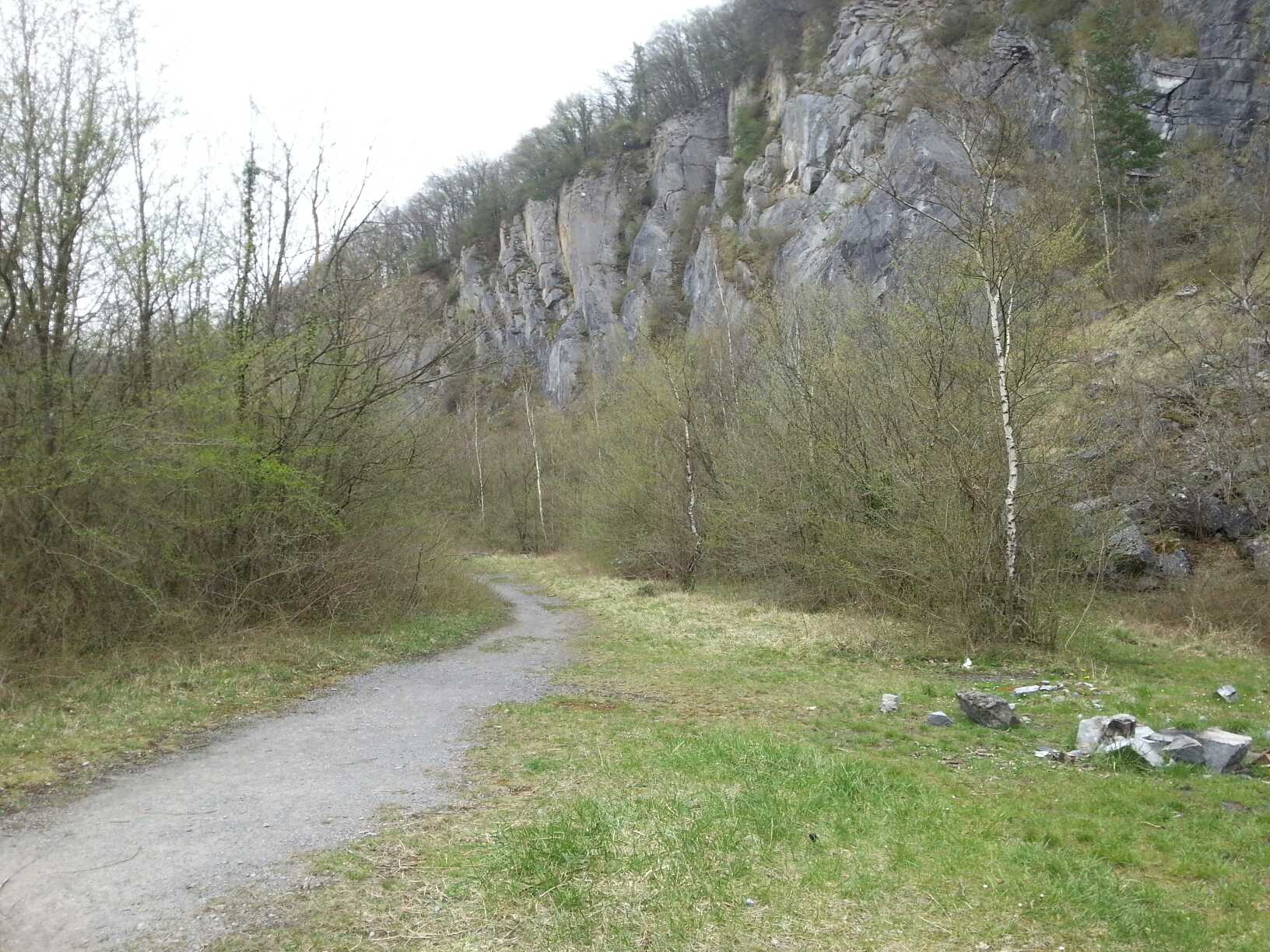
Vertical cliffs on the Meuse
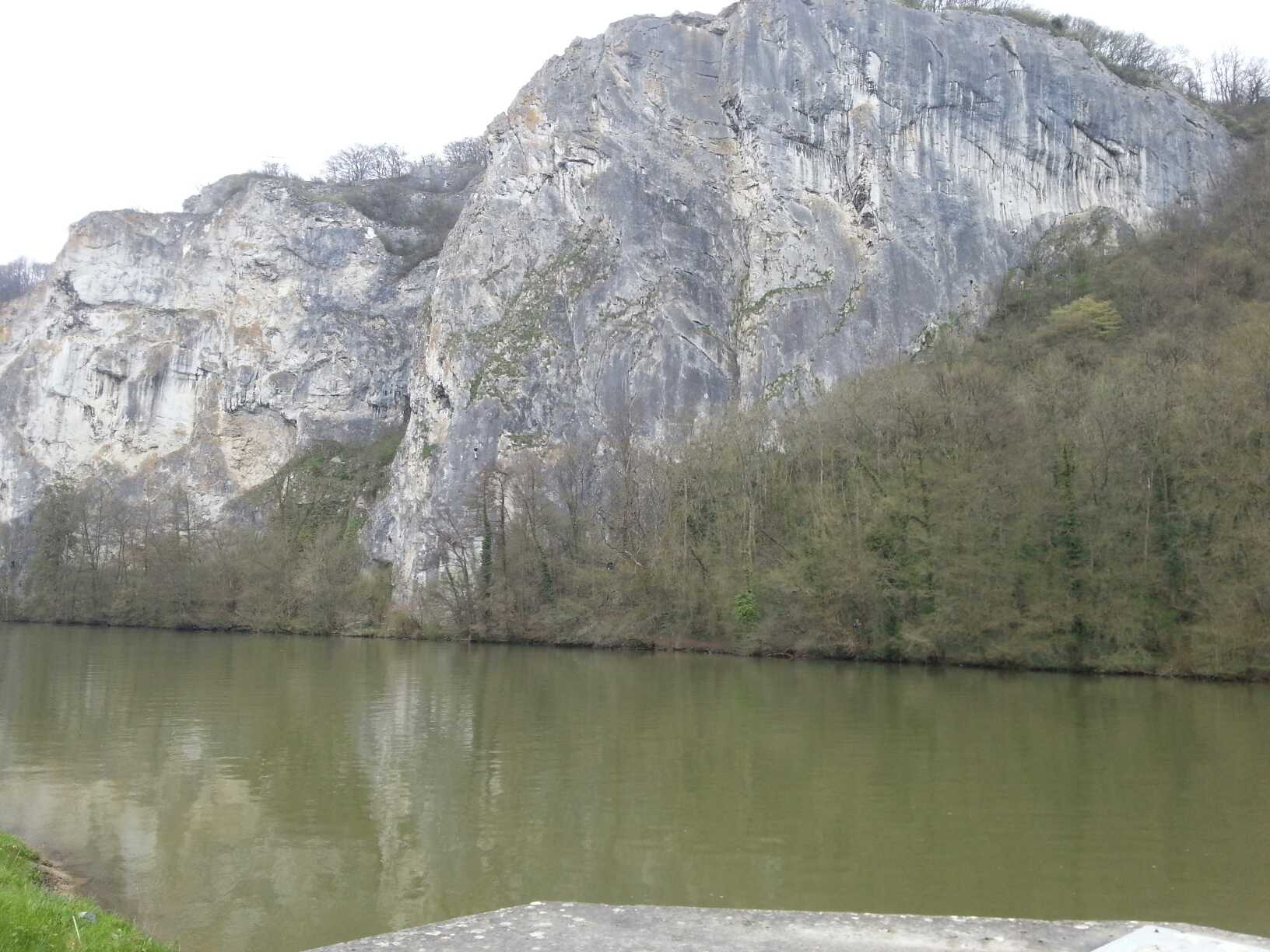
Vertical cliffs on the Meuse
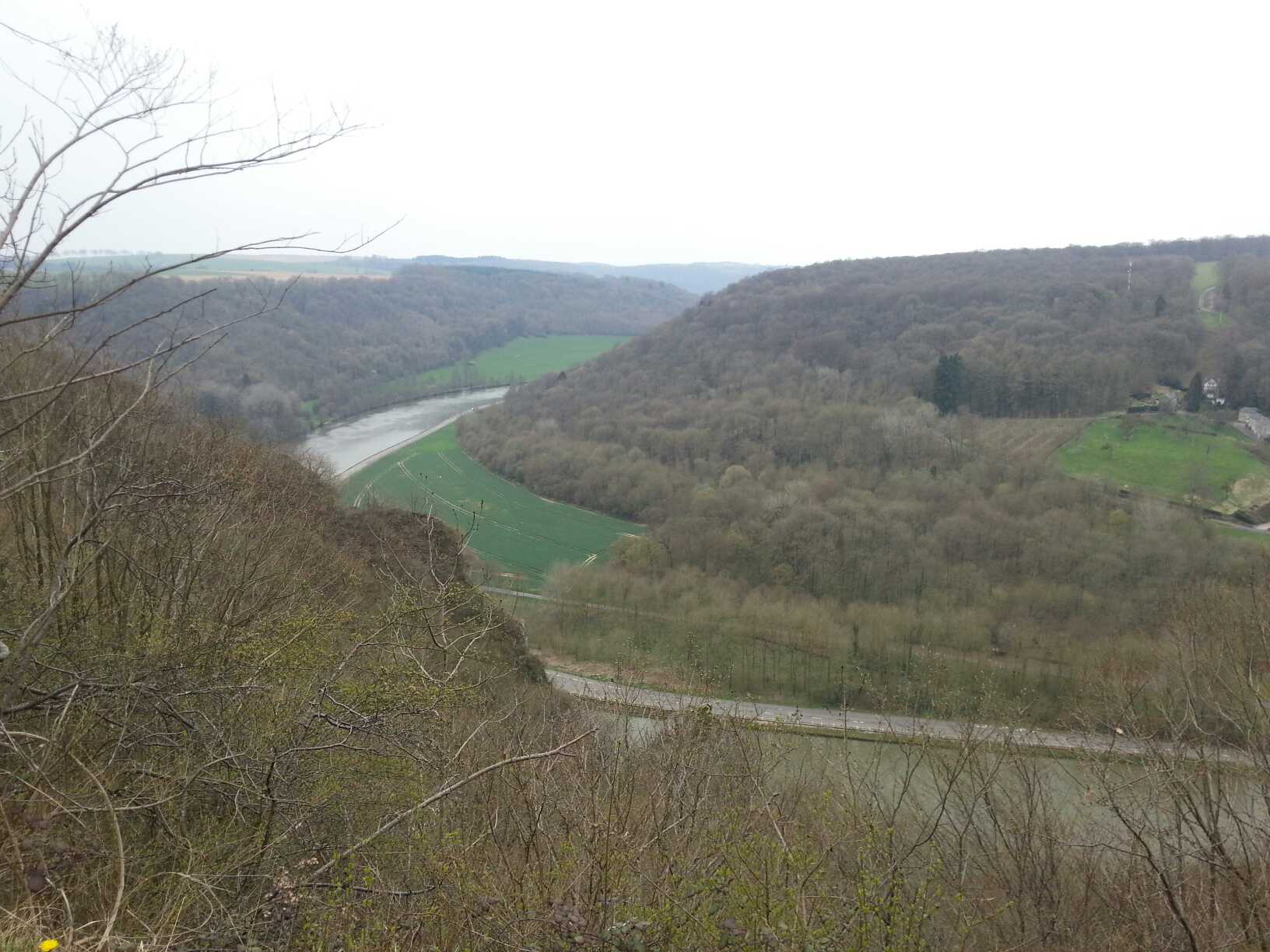
Vertical cliffs on the Meuse

Vertical cliffs on the Meuse

View from above.
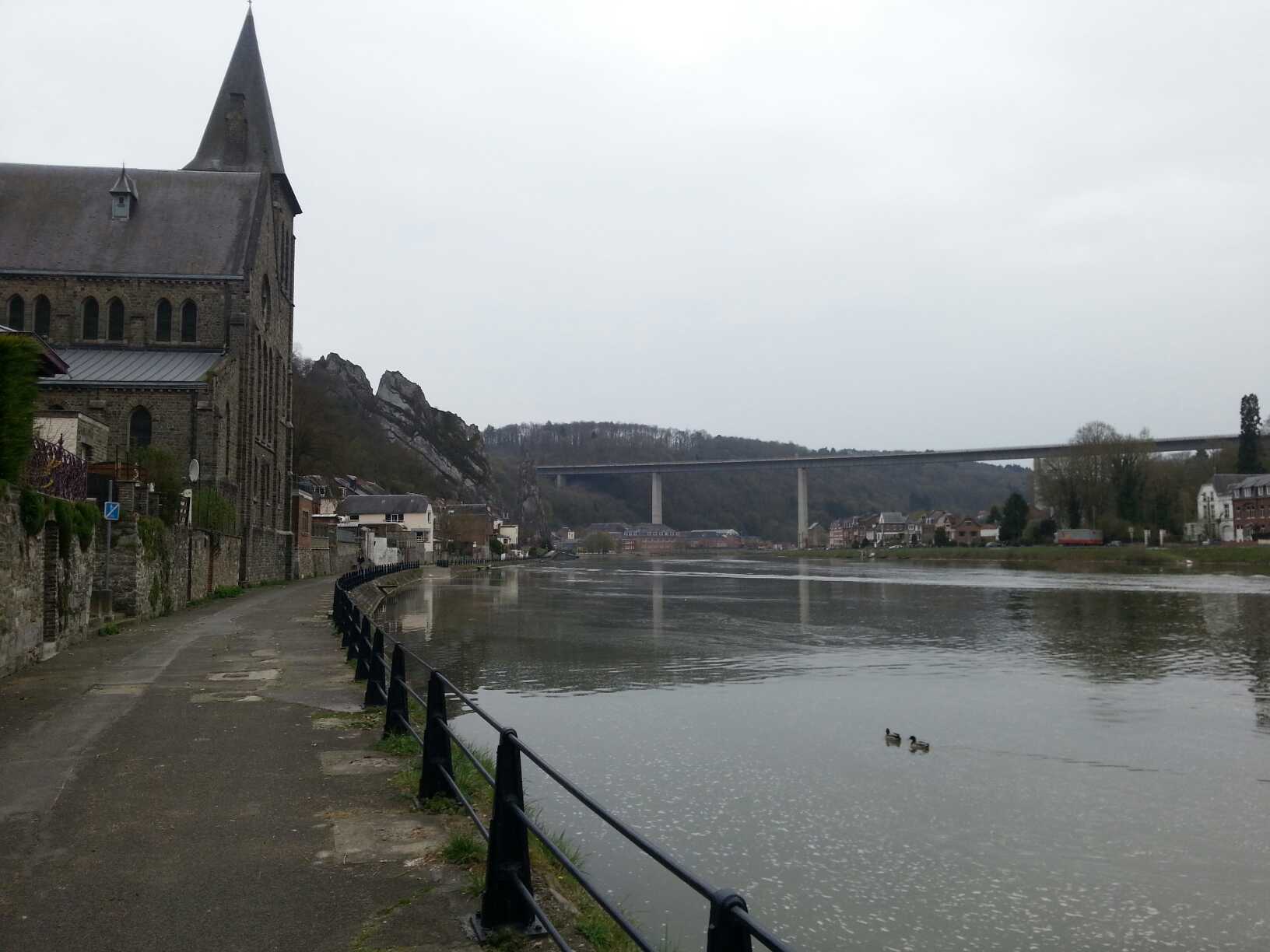
View from above.

Dinant

Dinant

The goal of the trip was to step over into France. I did.
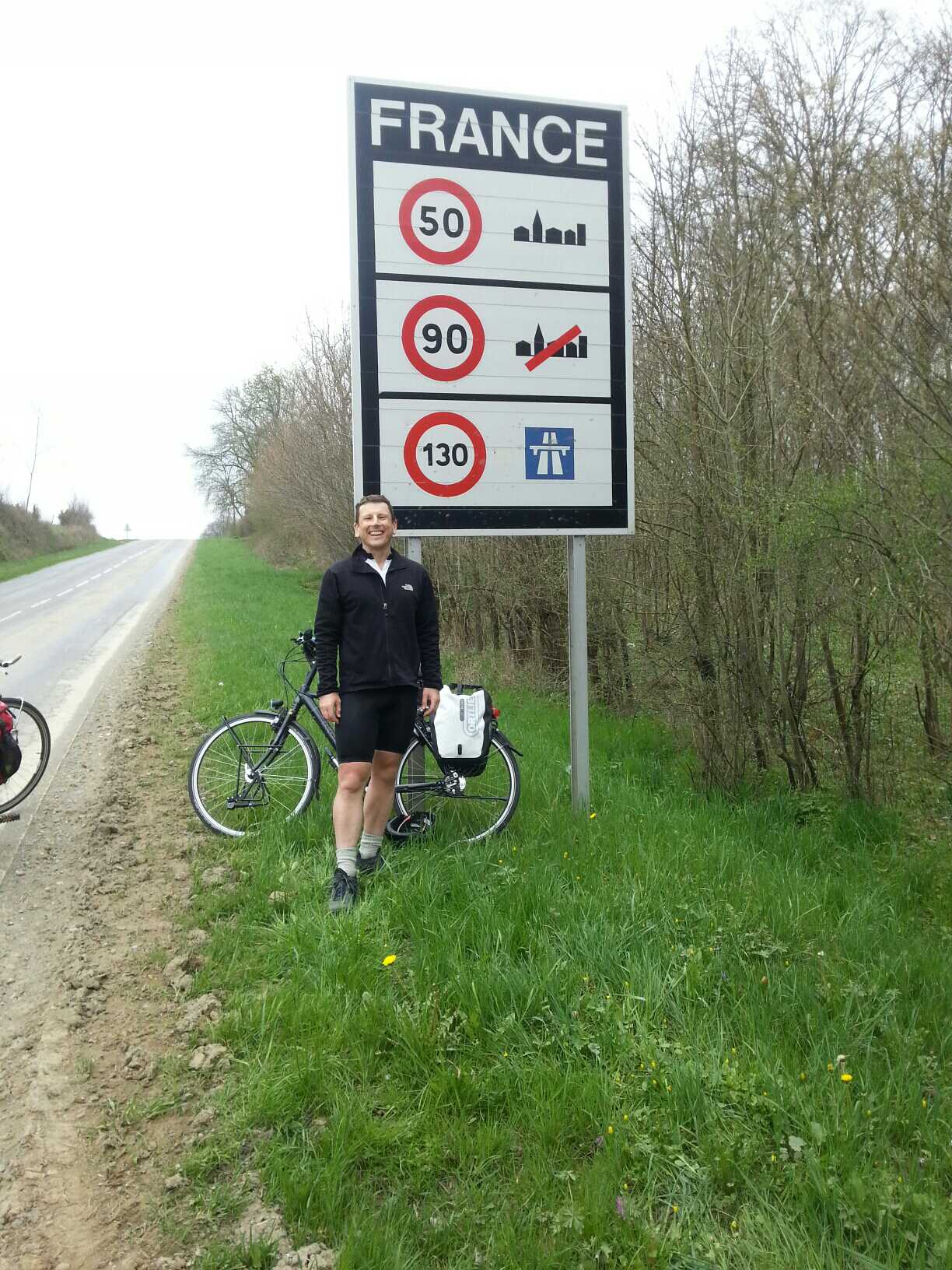
France

France

And then cycled back to Namur to catch the train.

I learned some stuff about my equipment, remembered stuff I learned cycling in Norway last year, and remembered how important it is to cycle along a scenic road, with little traffic, and a good surface. On this trip I discovered that:

  • My phone backup batteries can discharge if something is pressing on them in the bag – at least that is my theory why they were both discharged on the last day.
  • Just like following the curves of a fjord in Norway, following the curves of the Maas River is better than taking a ‘short cut’. I learned in Norway to get mentally prepared for all places where the road deviated from the coast. Last weekend I learned that the Maas River has steep banks.
  • Unfortunately, longish stretches of cobblestones in the RAVeL network made the busy road that I was avoiding seem appealing. But then, lots of roadworks on the RAVeL routes forced me to take the main roads, after which I dreamed of hitting the cobblestones again.
The spring is here and my new bike needs to be put to the test before setting out for the North Cape in June. What better way than to return to familiar territory, visit some friends, and pass through what should be tulip territory. Last weekend I cycled 320 km from Eindhoven to Den Helder via Den Haag (The Hague).

In the early and fresh (i.e. cold) Saturday morning hours, I passed through fields, along canals and through forests, almost entirely on cycle paths far away from cars and other disturbances. The birds were chirping – something I have missed in the long colder winter that is now ending. Leaving with the conviction of warm weather (which was predicted for Sunday), it took time before I decided that, yes, may hands really were freezing off, and I really should wear my toasty warm gloves that I had bought for the North Cape. The fields were ploughed, the trees still bare, and waiting in great expectation for the burst of green.

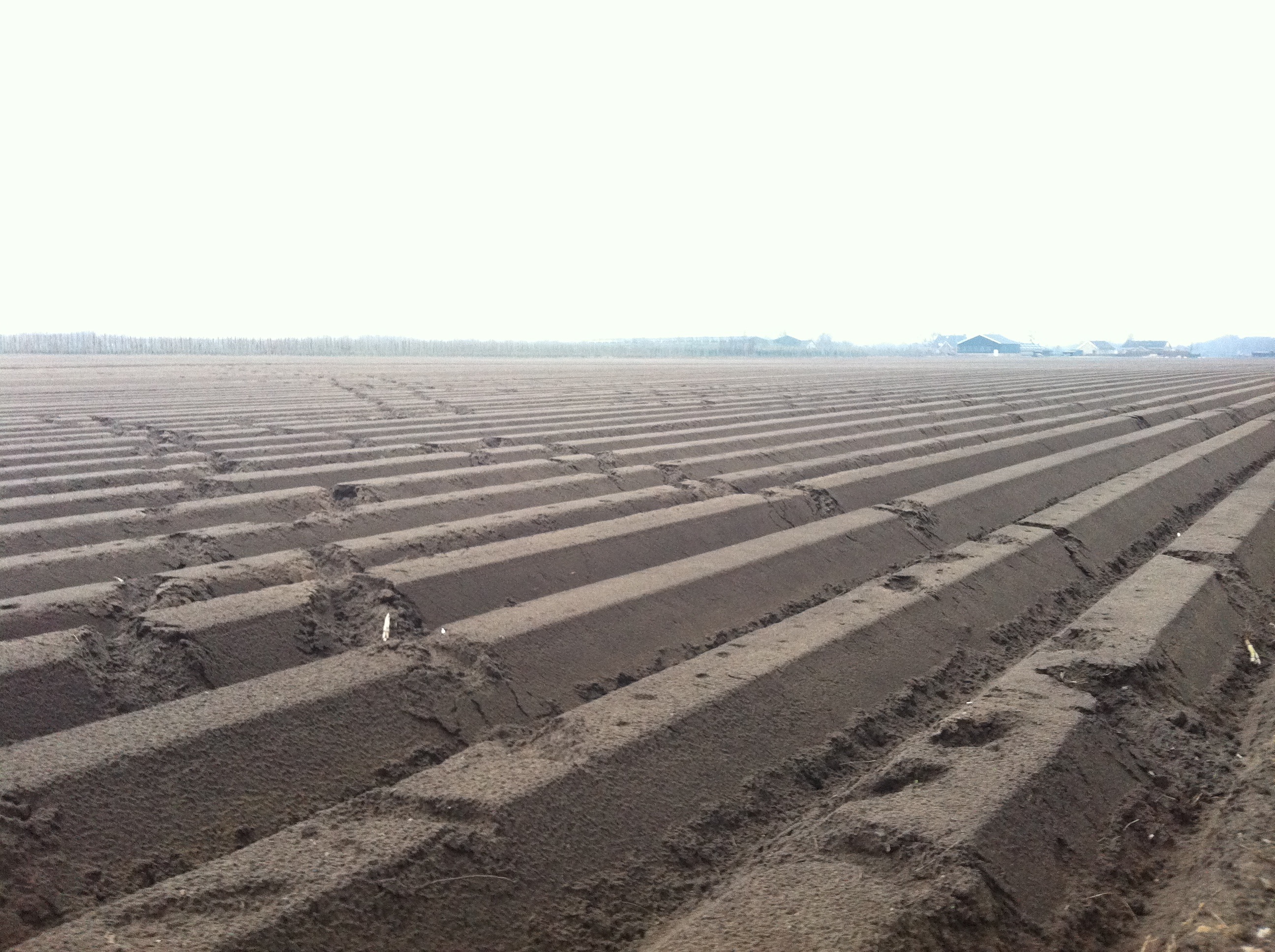
Ploughed field

Ploughed field

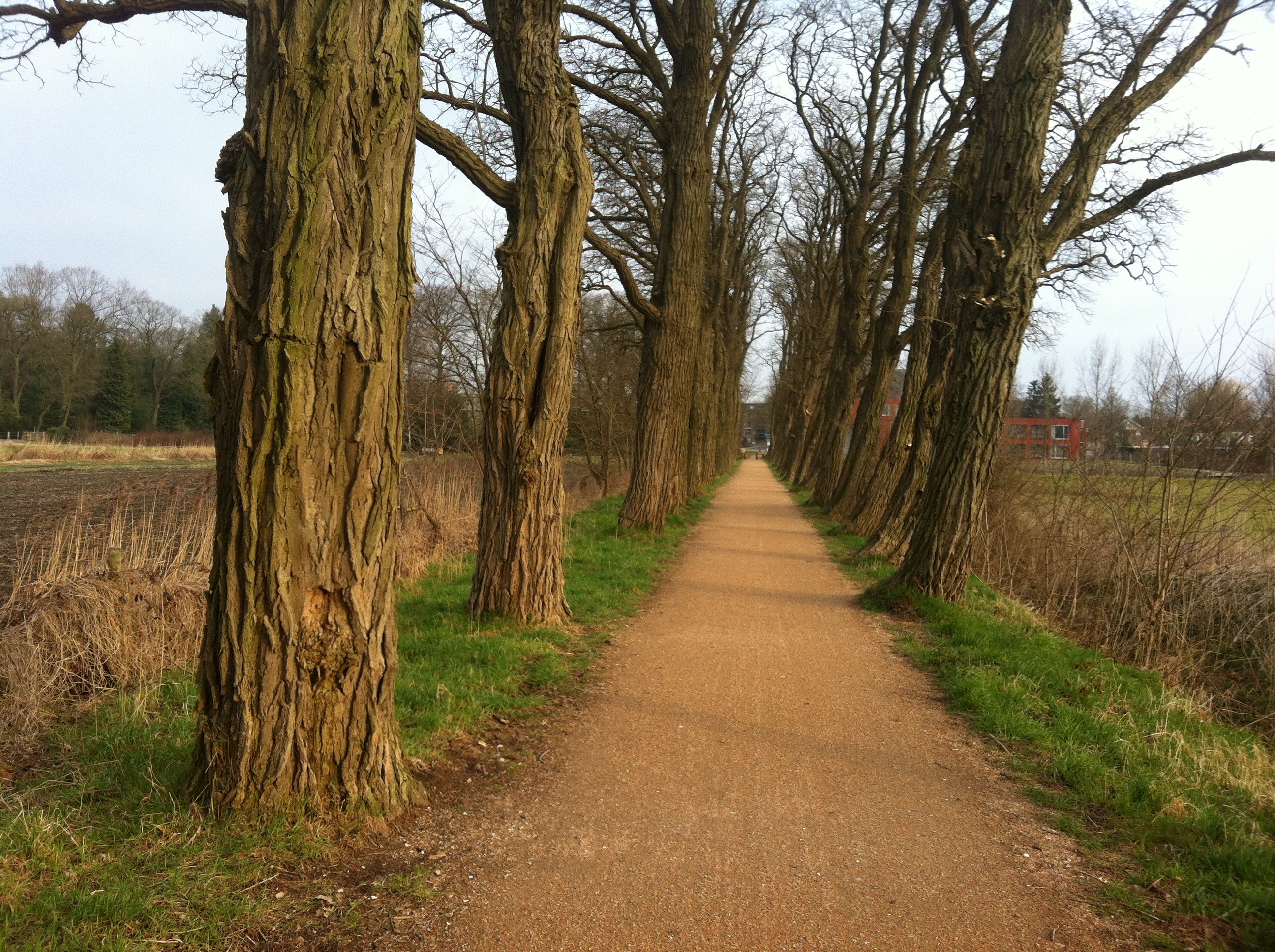
Bare trees waiting

Bare trees waiting

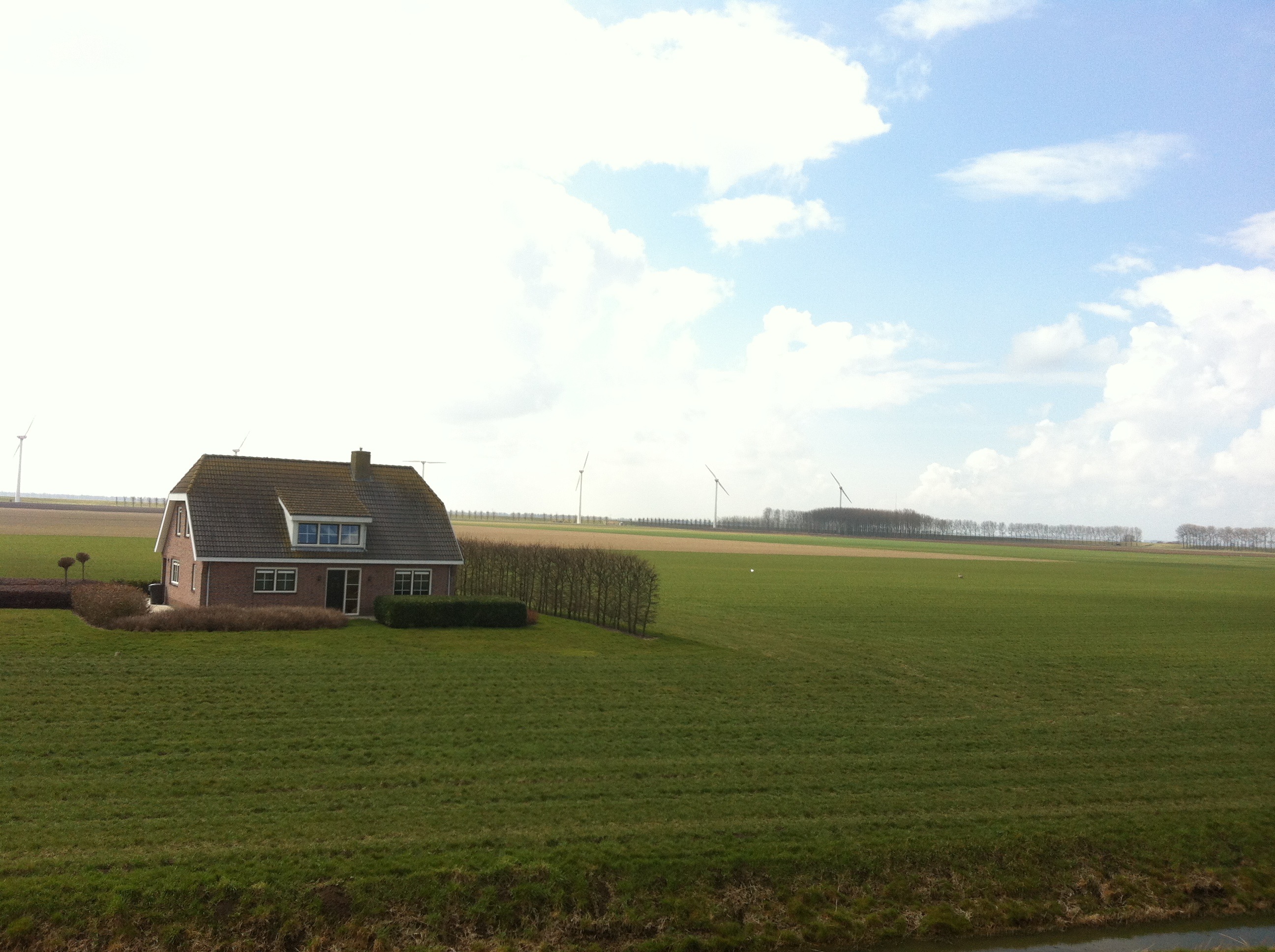
As the day continued, the sun started to break through the clouds, but the (head) wind did not drop. I passed wide polders, along dikes, and lots of typical dutch houses and windmills.

Dutch polder and house

Dutch polder and house

IMG_5417

I avoided Rotterdam by passing to the south of it, along a thin peninsula of land, with a view to the industrial area to the north. The wind was causing me to burn extra calories, but the sun was well and truly out.

And then I passed through Delft, the town where I lived when I first came to Holland exactly 20 years ago!

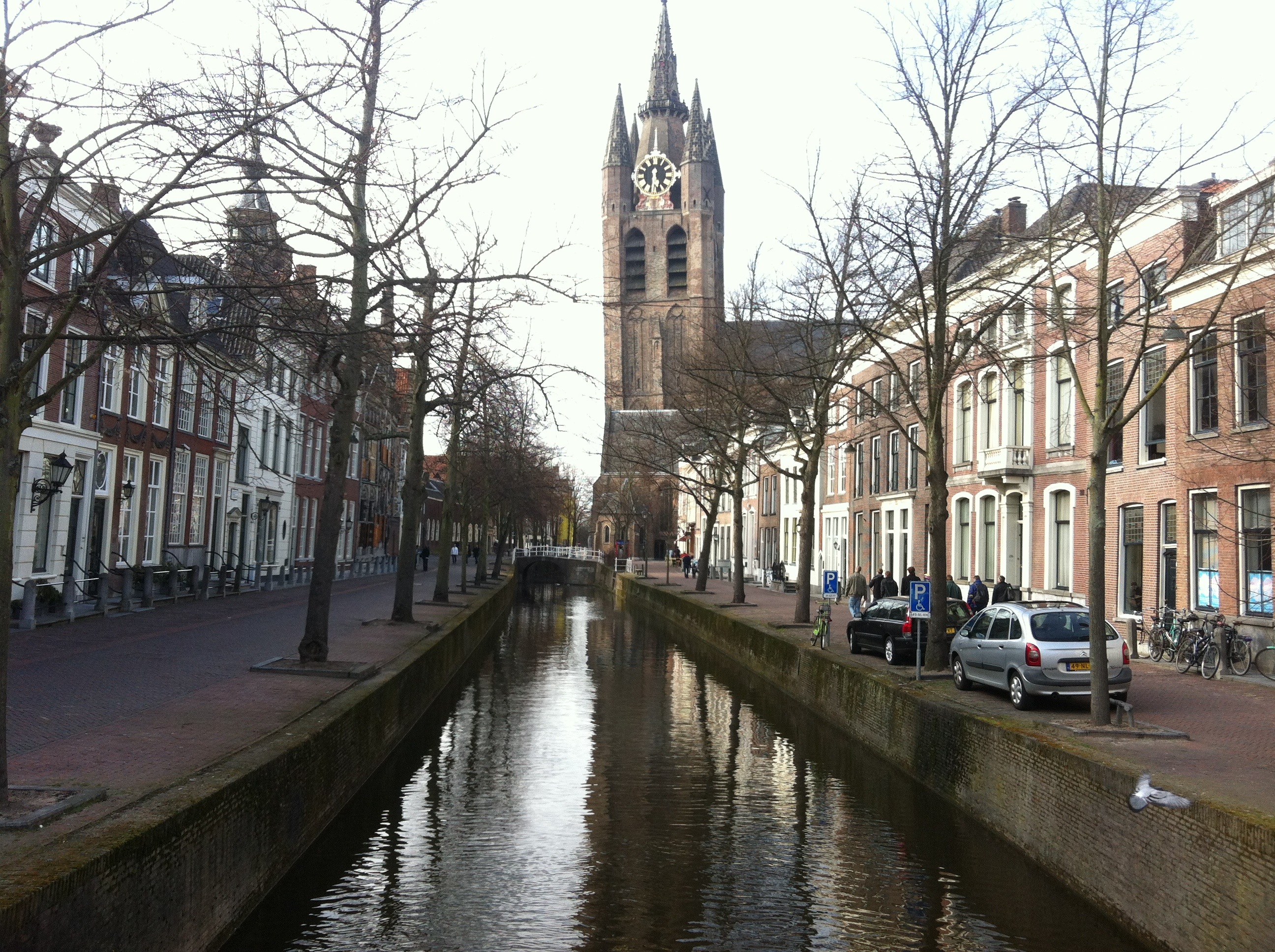
Oude Kerk, Delft

Oude Kerk, Delft

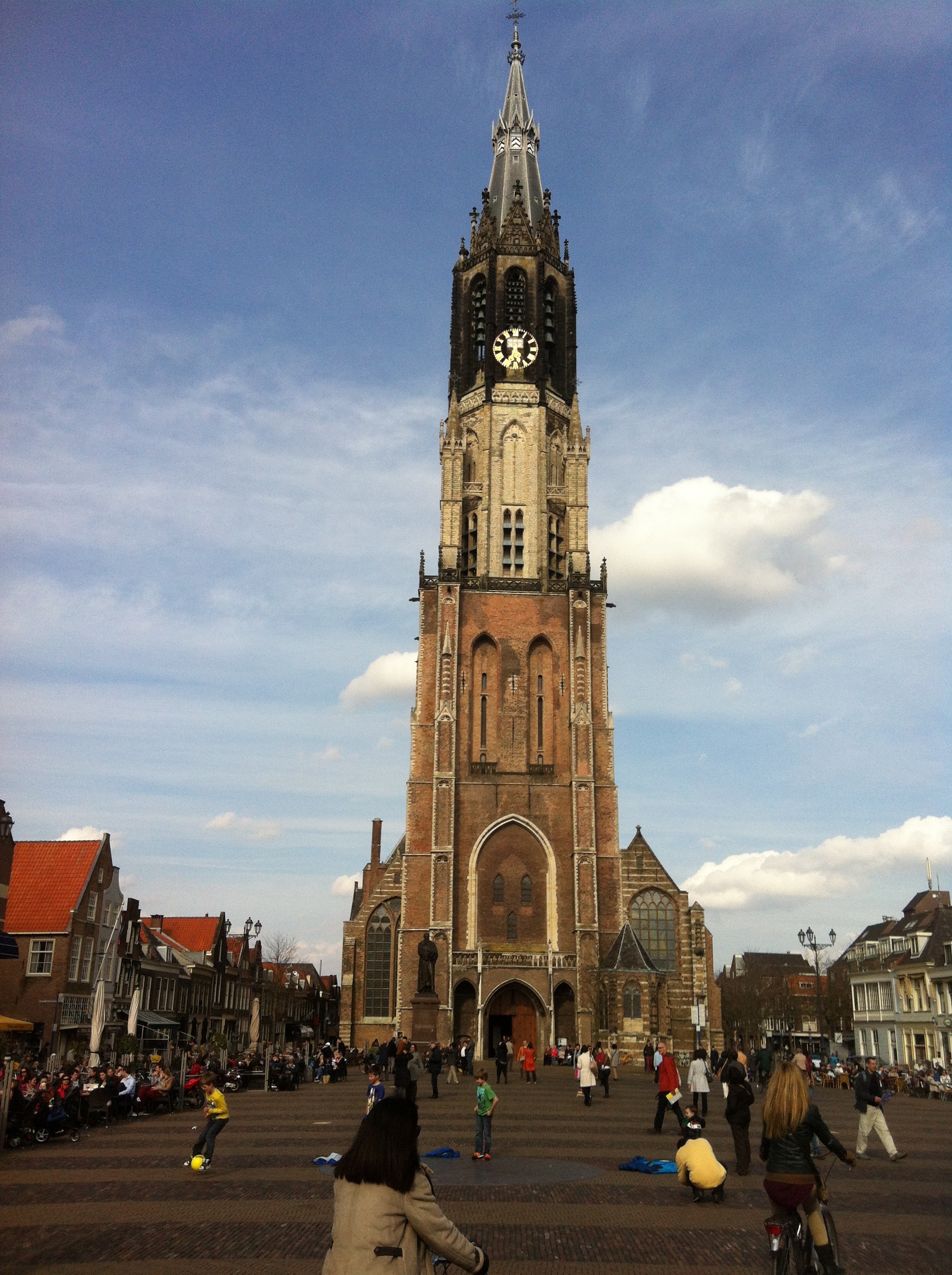
Nieuwe Kerk, Delft

Nieuwe Kerk, Delft

After a lovely evening catching up with my friends in Den Haag, I continued my trip turning northwards, this time with a strong tail wind. Up through the dunes following the coast. There is nothing better than hurtling through the dunes at 40 km/h with the wind at your back.

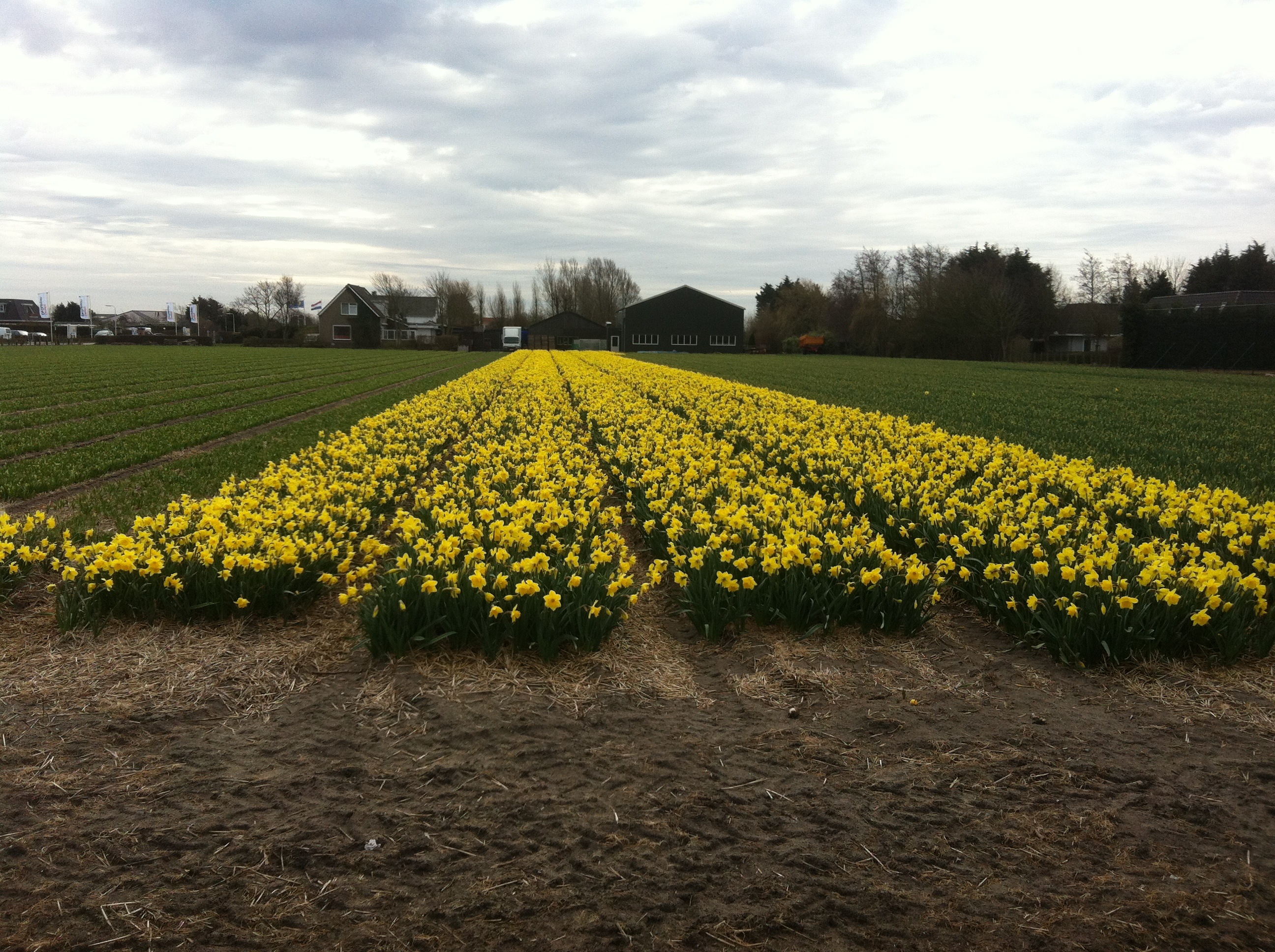
Unfortunately, the tulips were not out – only the first of the daffodils. It has been too cold for the flowers to dare rise from the soil.

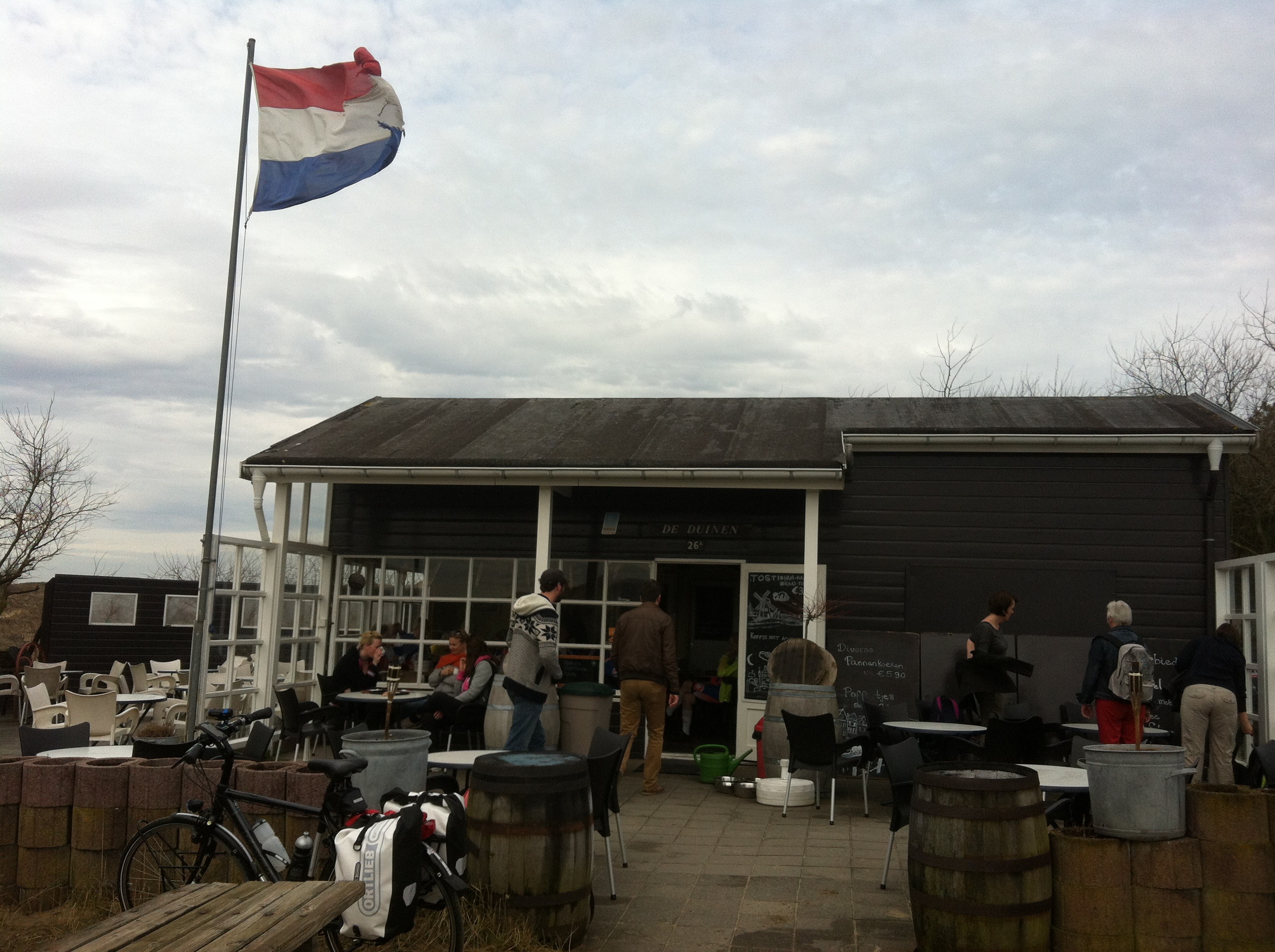
Cafe in the dunes

Cafe in the dunes

The first of the daffodils

The first of the daffodils

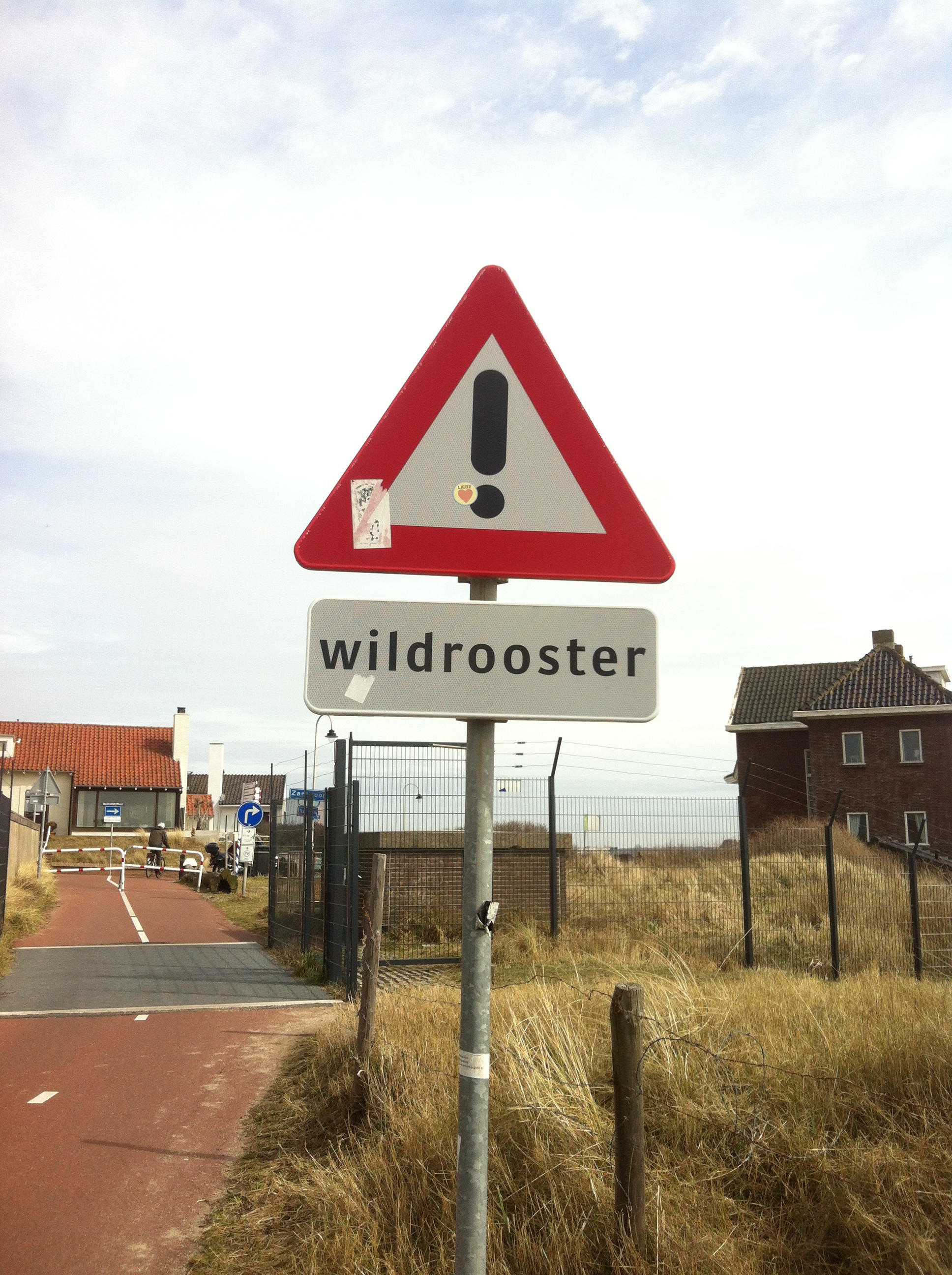
Watch out for wild roosters

Watch out for wild roosters

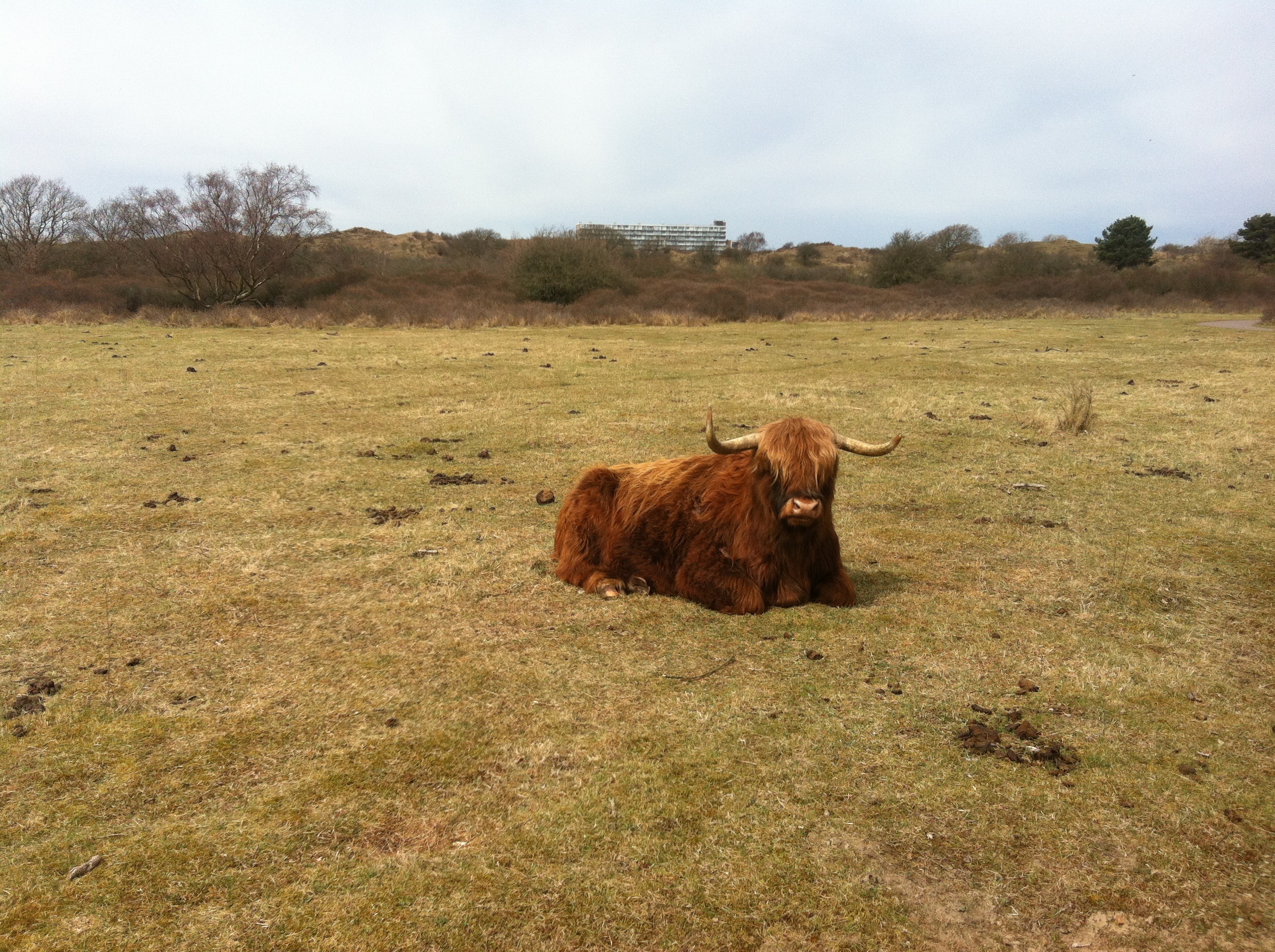
Company in the dunes

Company in the dunes

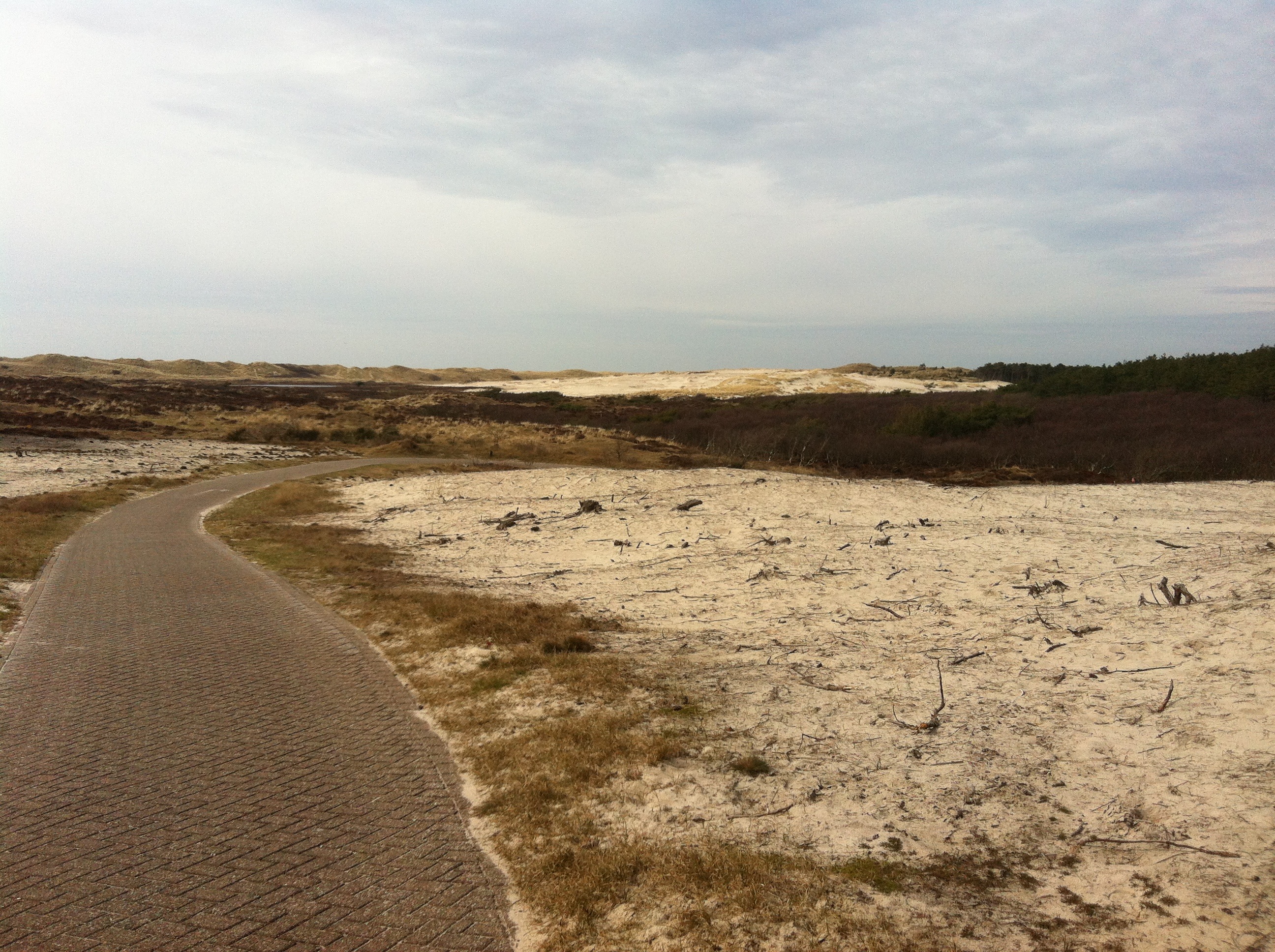
Cycling through the dunes

Cycling through the dunes

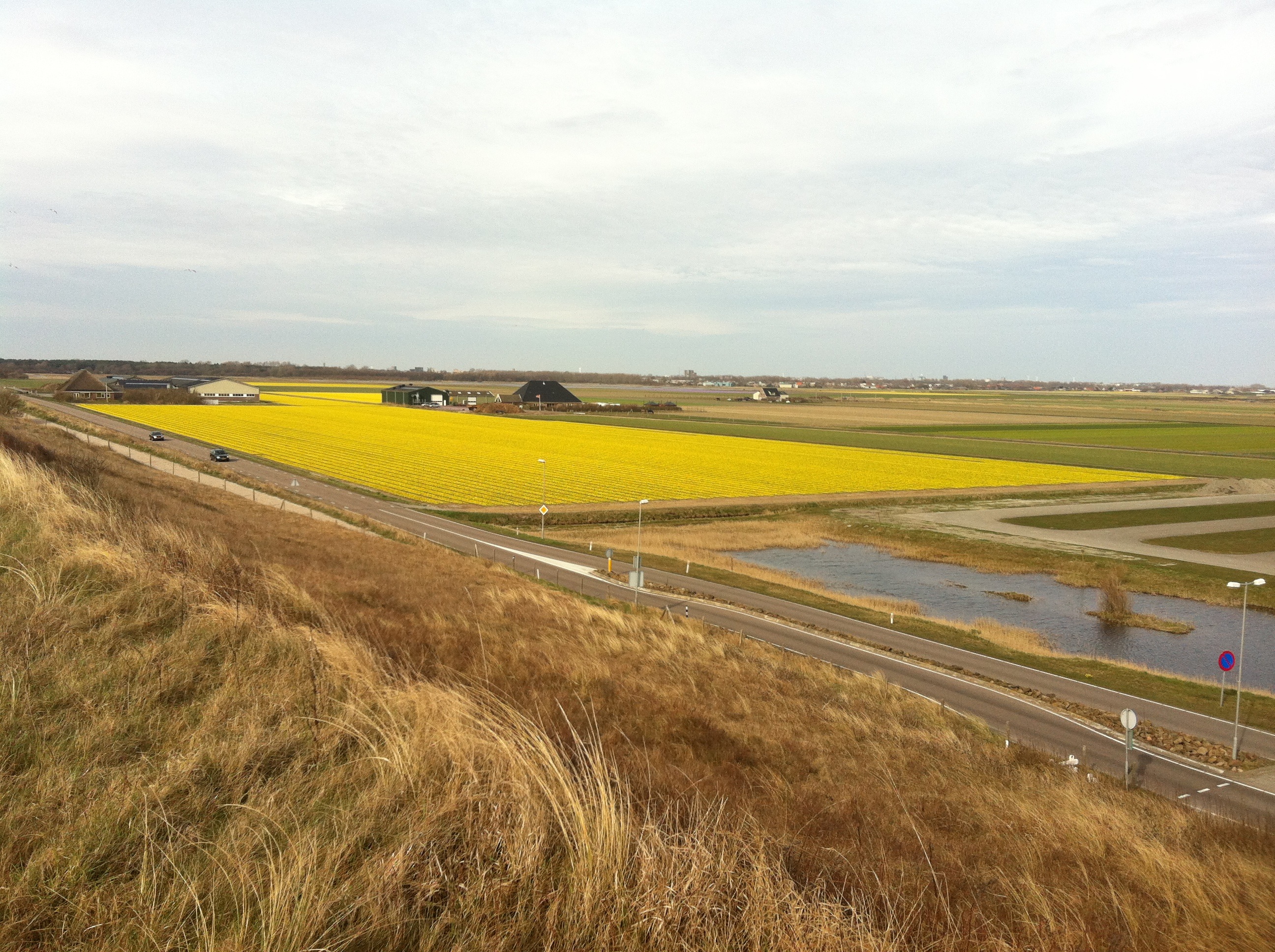
Daffodils from the dike

Daffodils from the dike

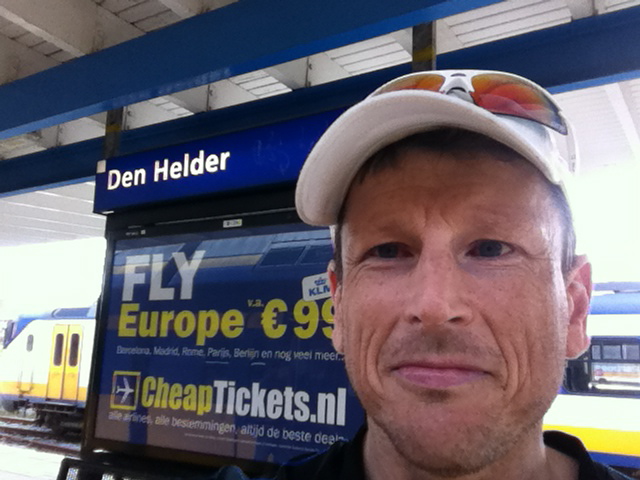
Arrival in Den Helder

Arrival in Den Helder

By the end of the trip it was quite warm – about 20C. A real summer feeling as I rode back in the train. Lovely to see all the bikes packed into the train. Back at home where cycling is loved, and there is amazing infrastructure for it!

I have been on a project for work in Boston for the last two months. It has been cold, and it has been snowy. Coming from warmer climes, I didn’t know about driving in snow storms, not using high-beams in blizzards and how important it is to clear the snow on the car roof and bonnet. I am now versed in the ways of the New England winter. Now it is time for the spring – and then the summer – and my big cycle trip.. Yay!

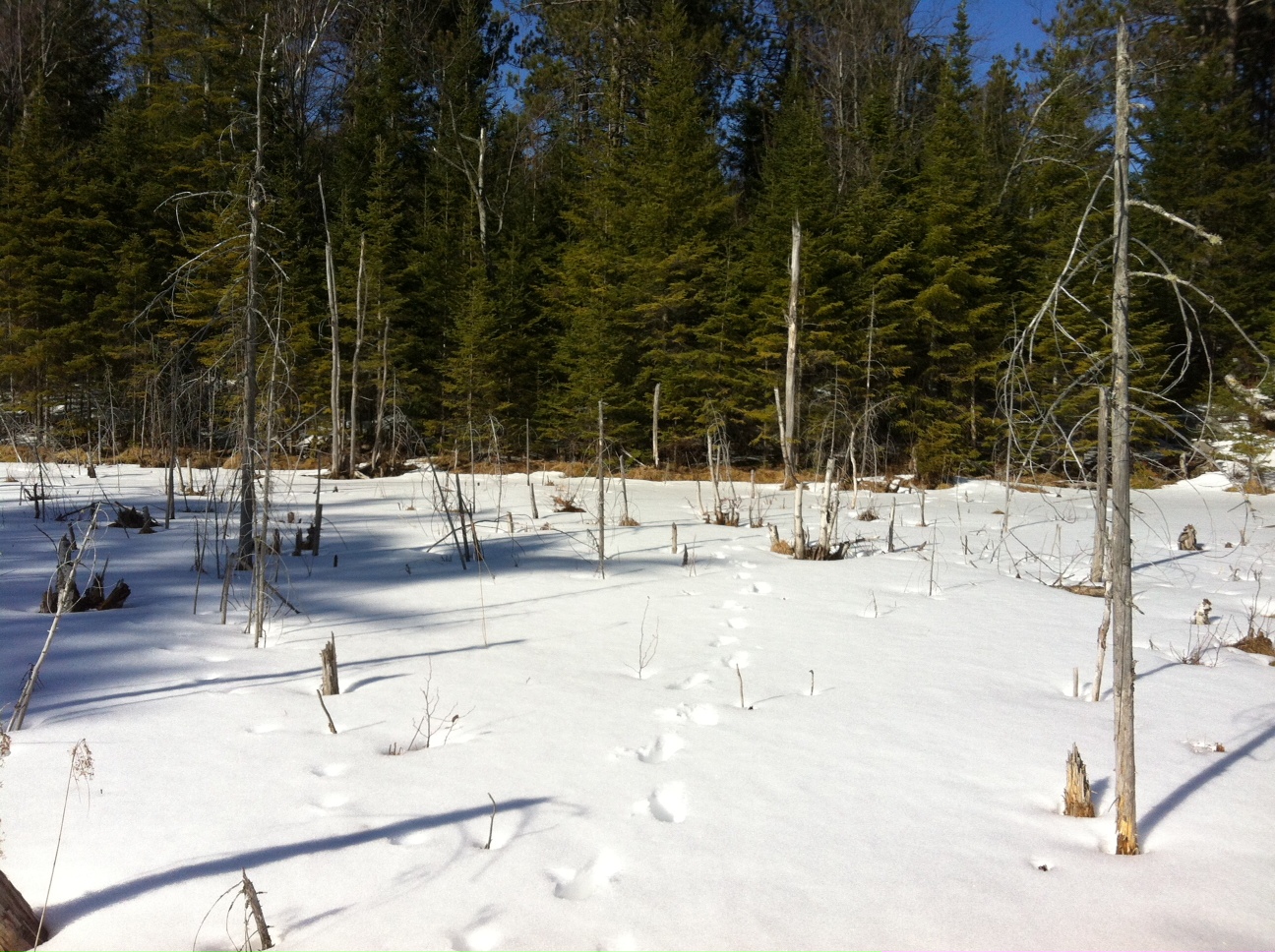
I saw the first sign of spring during my Easter in the Adinrondack Mountains in up-state New York. I was there with some friends (Candice and Sarah), staying in a beautiful log cabin in Peasleeville. On Easter Saturday the sun came out and the mercury rose. The white winter landscape twinkled in the sun as it slowly prepared to melt – over the coming two months. But, for me, the white would remain and I breathed in the beauty.

I saw the blue of my cabin window and jumped out of bed. Such a morning could not be wasted. A jogging loop through the hills was in order. On the map it didn’t look too far. In practice it was further than it looked. (I didn’t check the scale.) Through charming farming land, and through wooded hills.

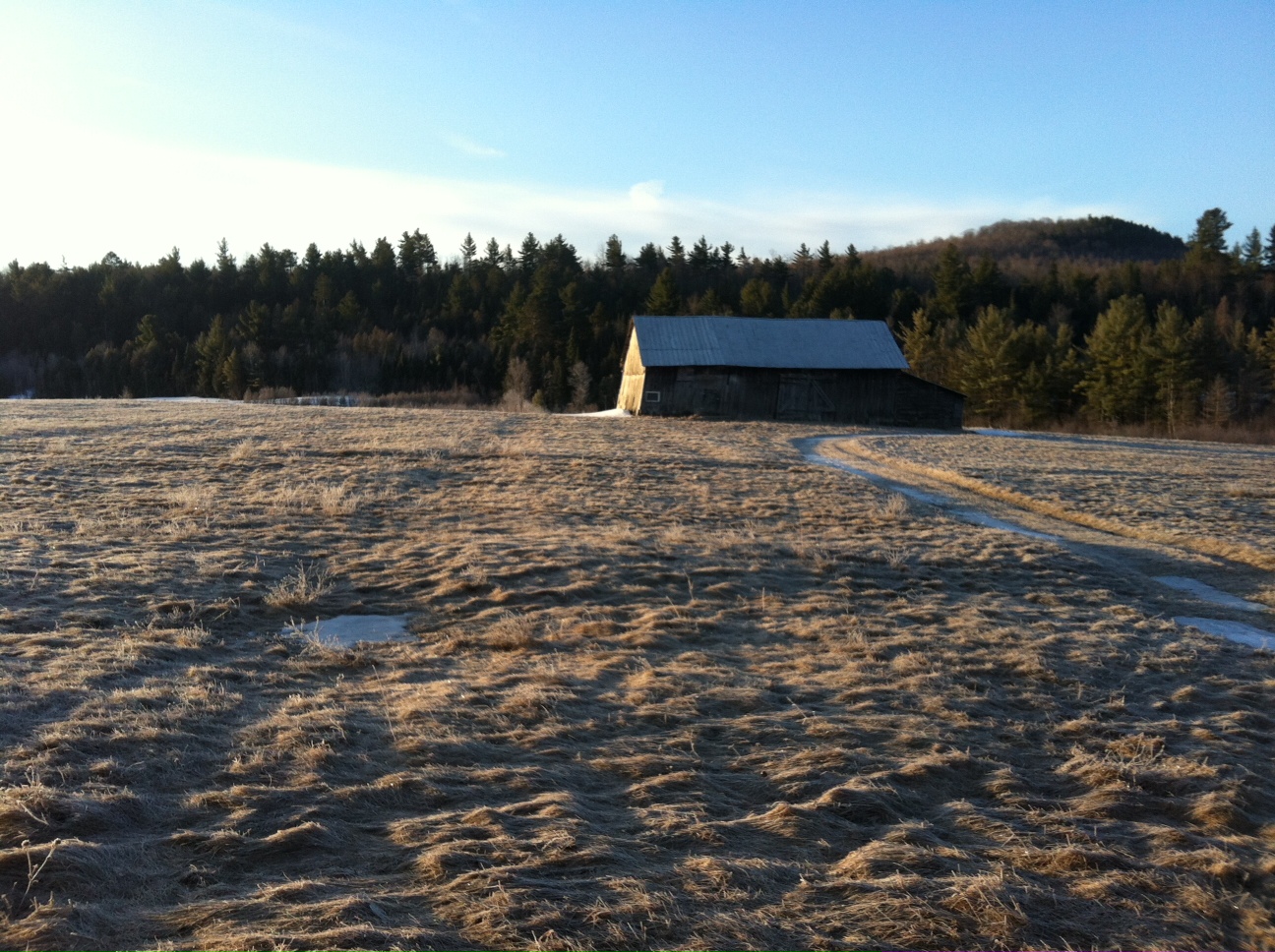
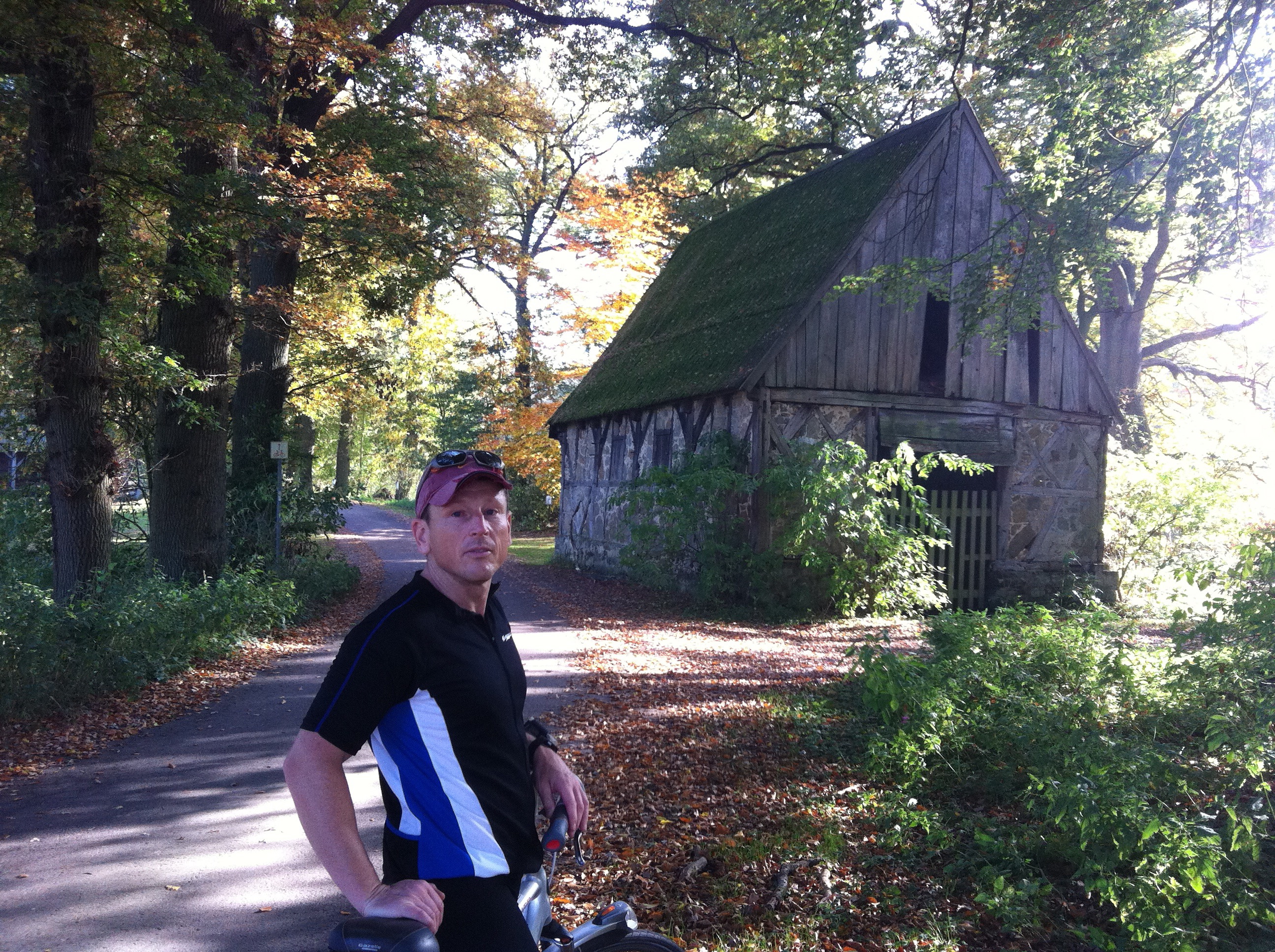
Peasleeville barn

Peasleeville barn

Strackville Road

Strackville Road

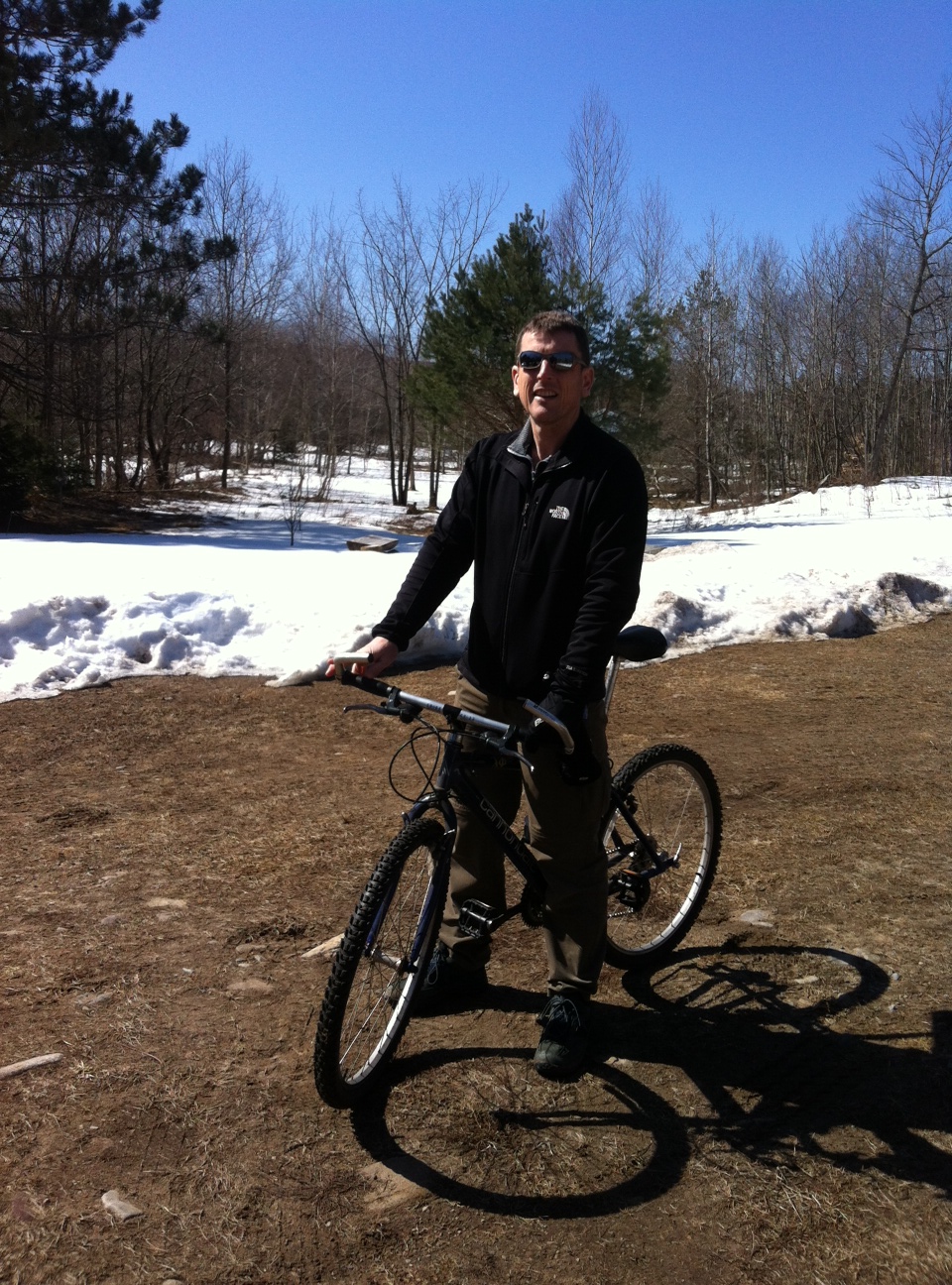
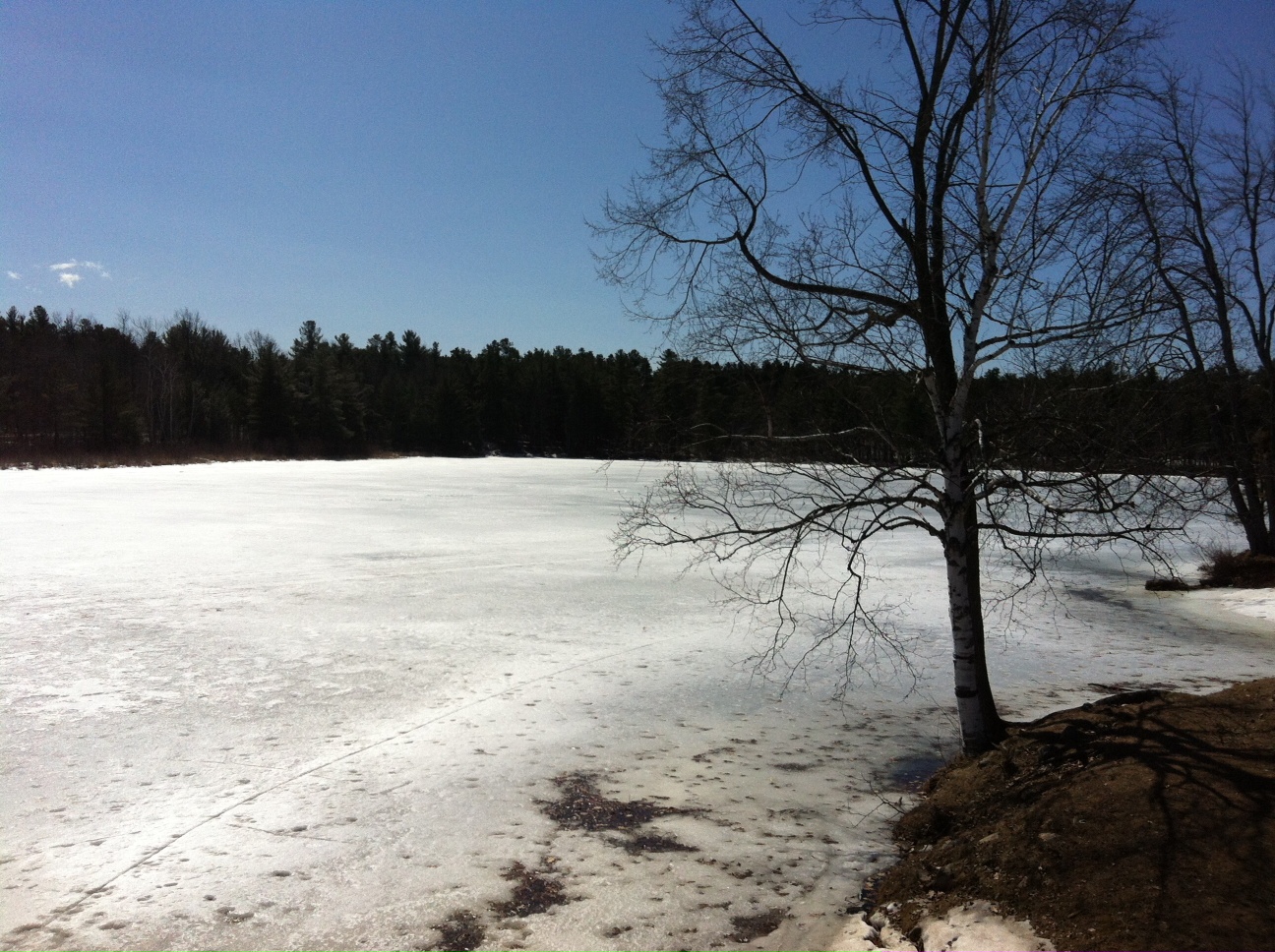
25 km and a big breakfast later, Candice, Sarah and I took out the bikes. This was my first bike trip in the USA. It was a short one (21 km), to a little iced over lake. We had visions of a longer trip, but, as we had more planned for the day, we cut it short to make alternative use of the brilliant sun.
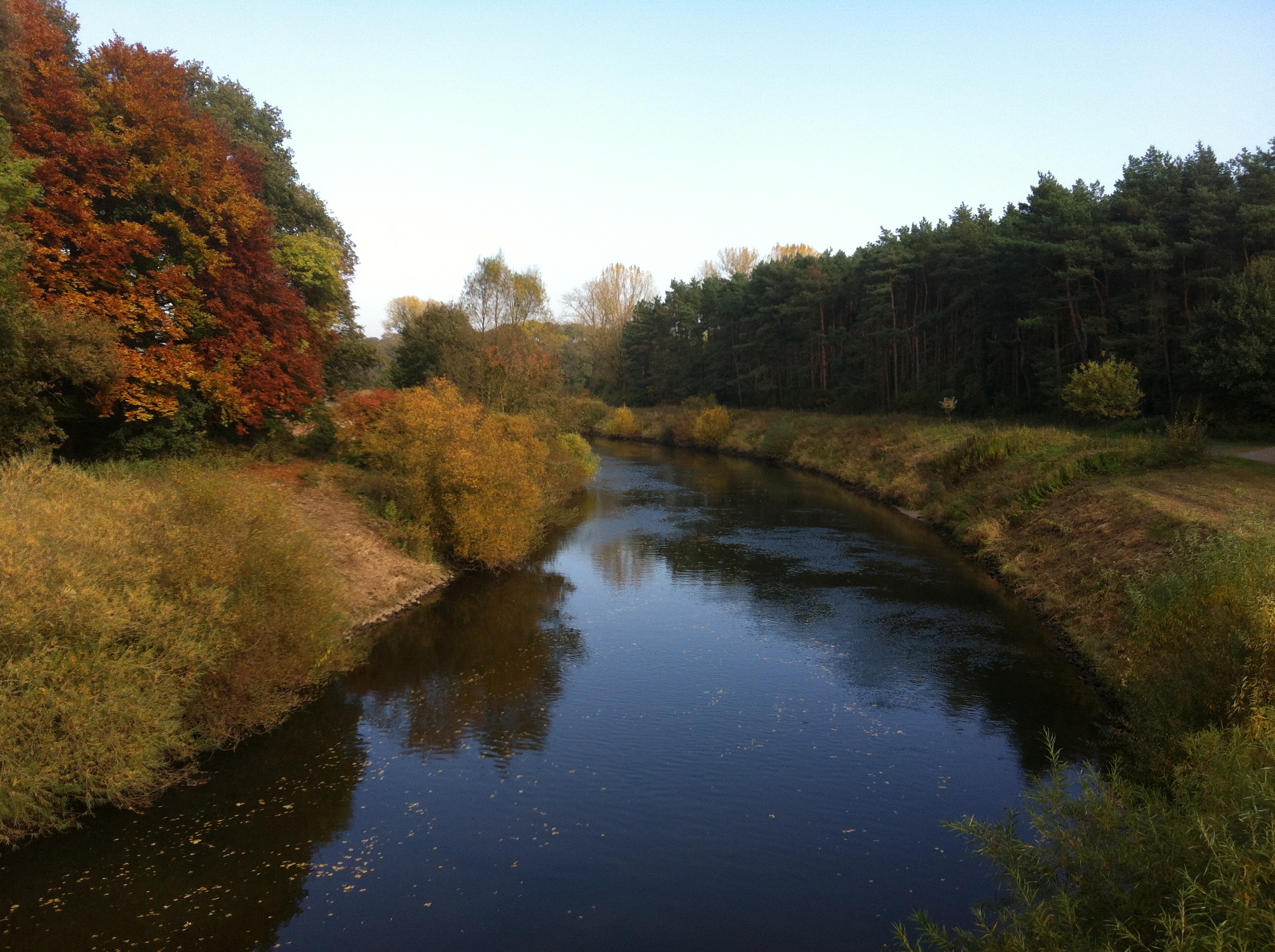
photo2

Lake in Macomb Park

Lake in Macomb Park

And then, keen to see the amazing views on a clear day that I seen from mountain tops on cloudy days, we decided to scale the local mountain out the back of the cabin.
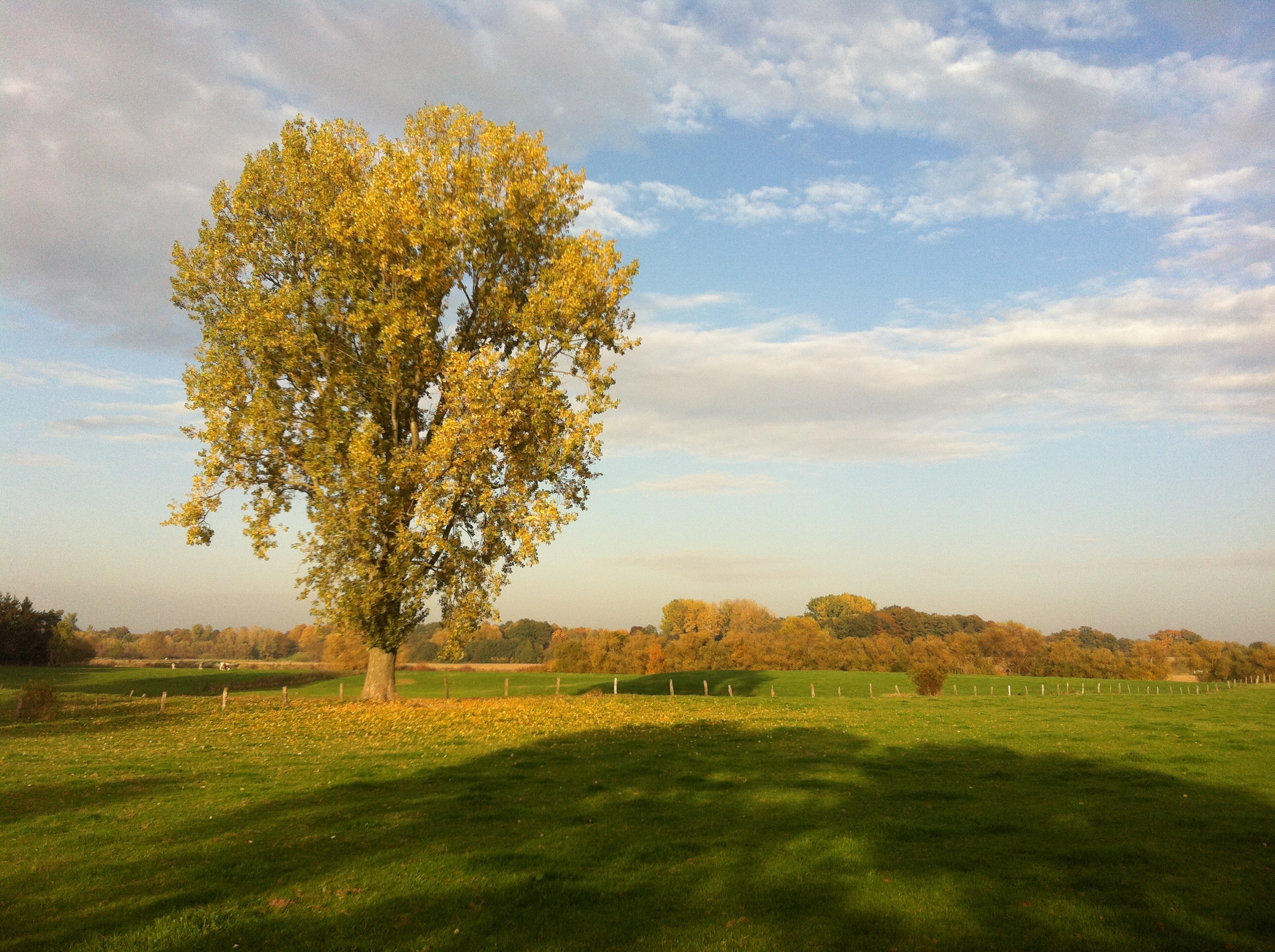
The sun was really shining brightly now, and it was actually quite warm.

On the way up Mt Terry.

On the way up Mt Terry.

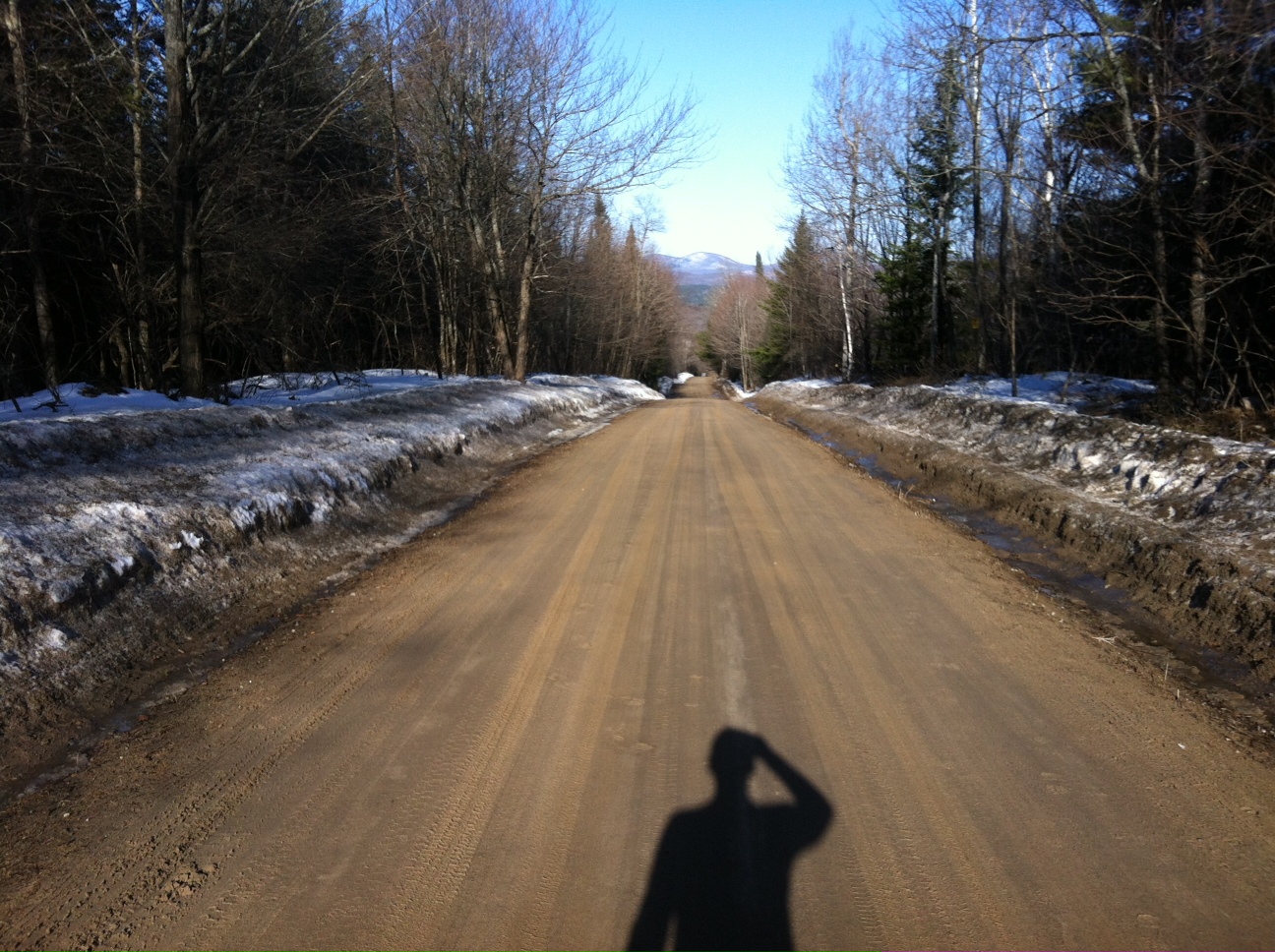
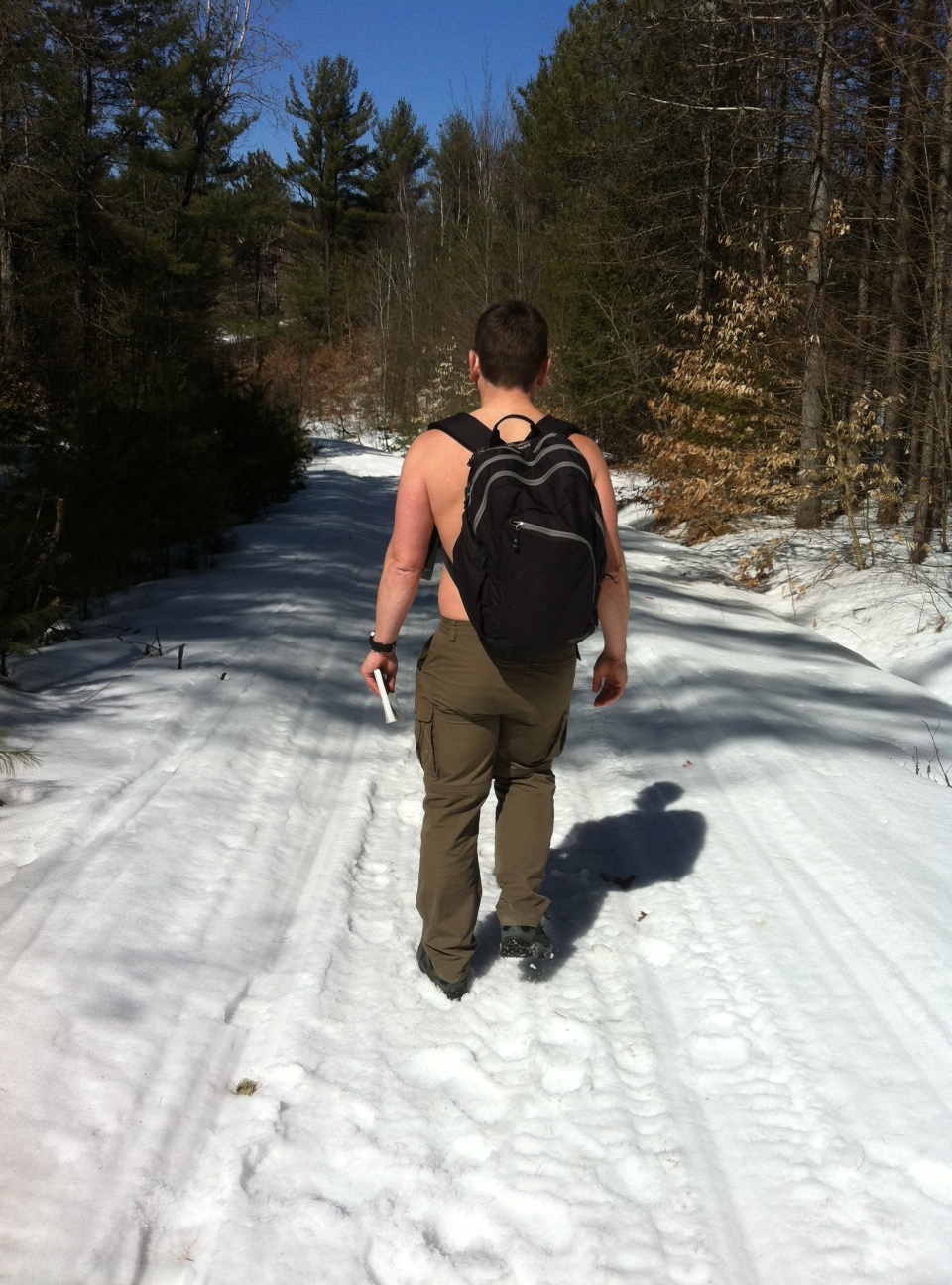
It was a steep, snowy climb up a four-wheel track to a communications tower at the top of the mountain. In fact, the tower was not at the highest point. This, however, was not reachable in the winter. I tried my best, bush-bashing cross-country. The snow was deep and, being warm, unstable. I ended my hike in a frozen but thawing bog near the summit. It was beautiful, tranquil, and utterly silent.

Bog at Mt. Terry.

Bog at Mt. Terry.

So, without planning it before-hand, I had done 3 different activities outdoors. 25km running, 21km cycling and 9km mountain hiking. And then a big dinner in the wood cabin with the fire burning.


In the summer of 2013 I will be cycling from Eindhoven in the Netherlands to the North Cape in Norway via the Baltic countries. I have been updating my routes according to advice from cycling forums. My latest update is of my route through Finland and Sweden. Many thanks to fillarifoorum – the Finnish cycling forum, and to cykelforum.se and happymtb.org – the two swedish cycling forums.

I may be taking a detour through the Turku archipeligo due to a suggestion from Pikuski, and I will be taking some of the Sverigeleden route due to suggestions from Topfrog. Thanks for your help!!


In summer 2013 I will be cycling to the North Cape in Norway through the Baltic countries. I have been updating each leg of the route using advice from different internet forums. Thanks to the kind people on the velo.clubbers.ee forum, I have now settled down to three possible routes through Latvia and Estonia. Which one I will take I will decide when I am there. My current preference goes for the route below, along the coast, through the beach town of Pärnu in Estonia.


In summer 2013 I will be cycling from Eindhoven in the Netherlands to the North Cape in Norway. After putting together a preliminary route, I have been asking advice on different cycling internet forums. The response has been amazing. First I updated my cycling route in Poland to follow the Baltic Sea coast, and now I have updated the German leg to connect with my new Polish route.

Many thanks to the people in the 2radforum.de cycling forum. I have been given long distance routes to paste together for my trip, advice on where to go and where not. I also have a couple of people that are going to cycle along with me for a time, and even offers to stay at people’s place overnight. I am really excited with the response, and I’m looking forward to meeting up with some people from the forum next year on my trip! Thanks everyone!!

Here is my new route.


In 2013 I will be cycling from Eindhoven in the Netherlands to the North Cape via the Baltic countries. I have been putting together a planned cycle route from different sources on the internet, generating a gpx file of the route.

After speaking to a Polish guy, writing on some Polish cycle blogs, and doing some more internet research, I have decided to change my route through Poland to follow the coast, and pass through Gdansk.

Here is my new route.

To reach the coast Baltic Sea coast in Poland, I also changed my route through Germany, using a cool bike route finder called Naviki.
18.11.2012: I updated the German route following recommendations by a German cycling forum.

My route through Poland now follows the EuroVelo 10 path, passes down an amazing looking sand peninsula to a place called Hel, and passes through Gdansk.


Thanks to Pawel for inspiring me to cycle along the coast, and to check out the Polish cycling forums. And thanks to all the people on the cycling forum that helped me out.

The new Polish route is a concatination of routes obtained from bikemap.net. The main one was the EuroVelo R10 route.


The last leg of my cycle south to the bottom of Sicily. Continuing on from where I left off in Napoli in 2002, I cycled south to Sicily, climbing Etna twice, and reaching the southern most point of Italy.

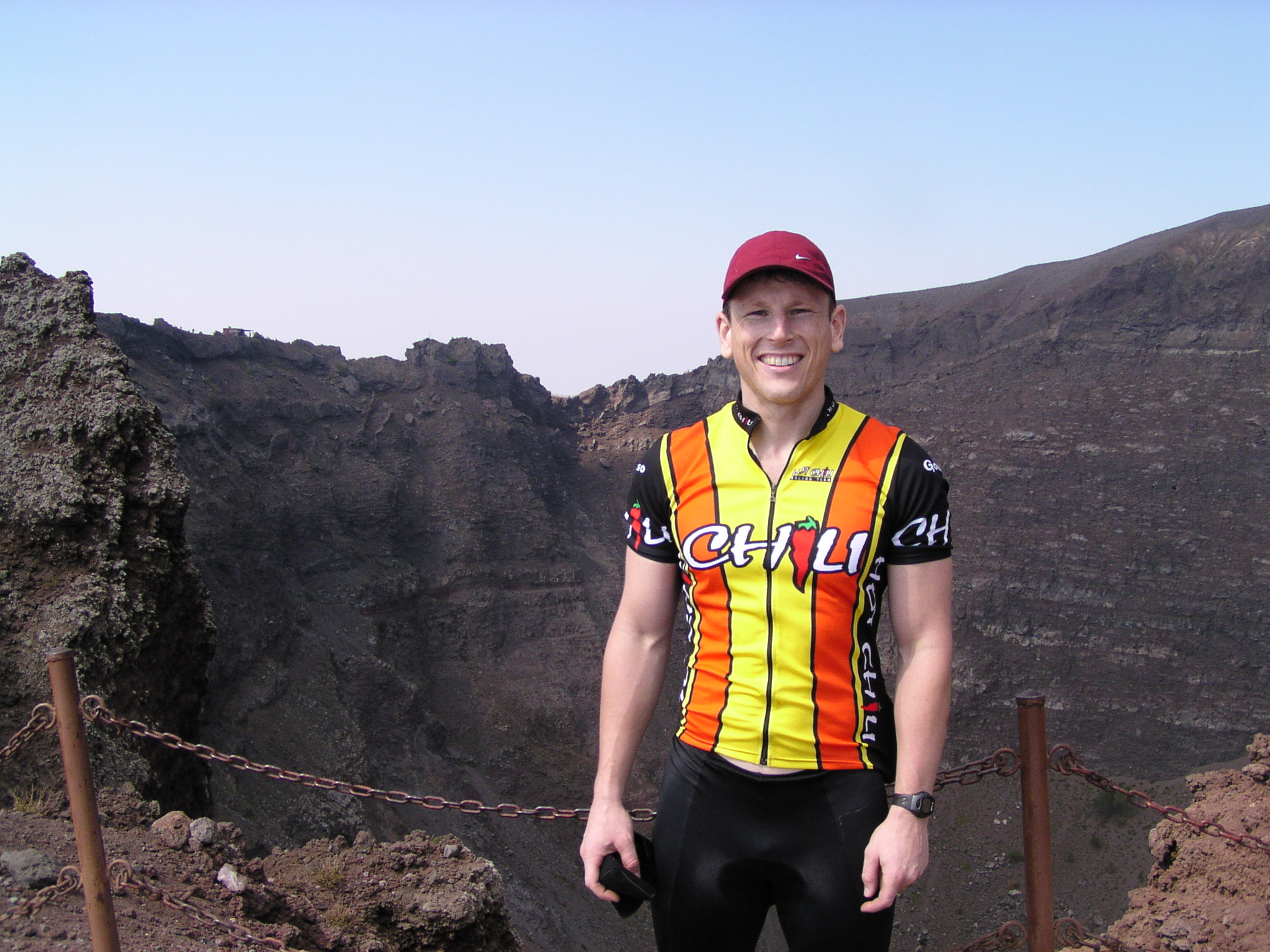
The trip started off at a volcano: Vesuvio, and ended on a volcano: Etna. On looking back at these photos, I discovered that I inaugurated my favourite cycling cap on this trip. 🙂

Vesuvio

Vesuvio

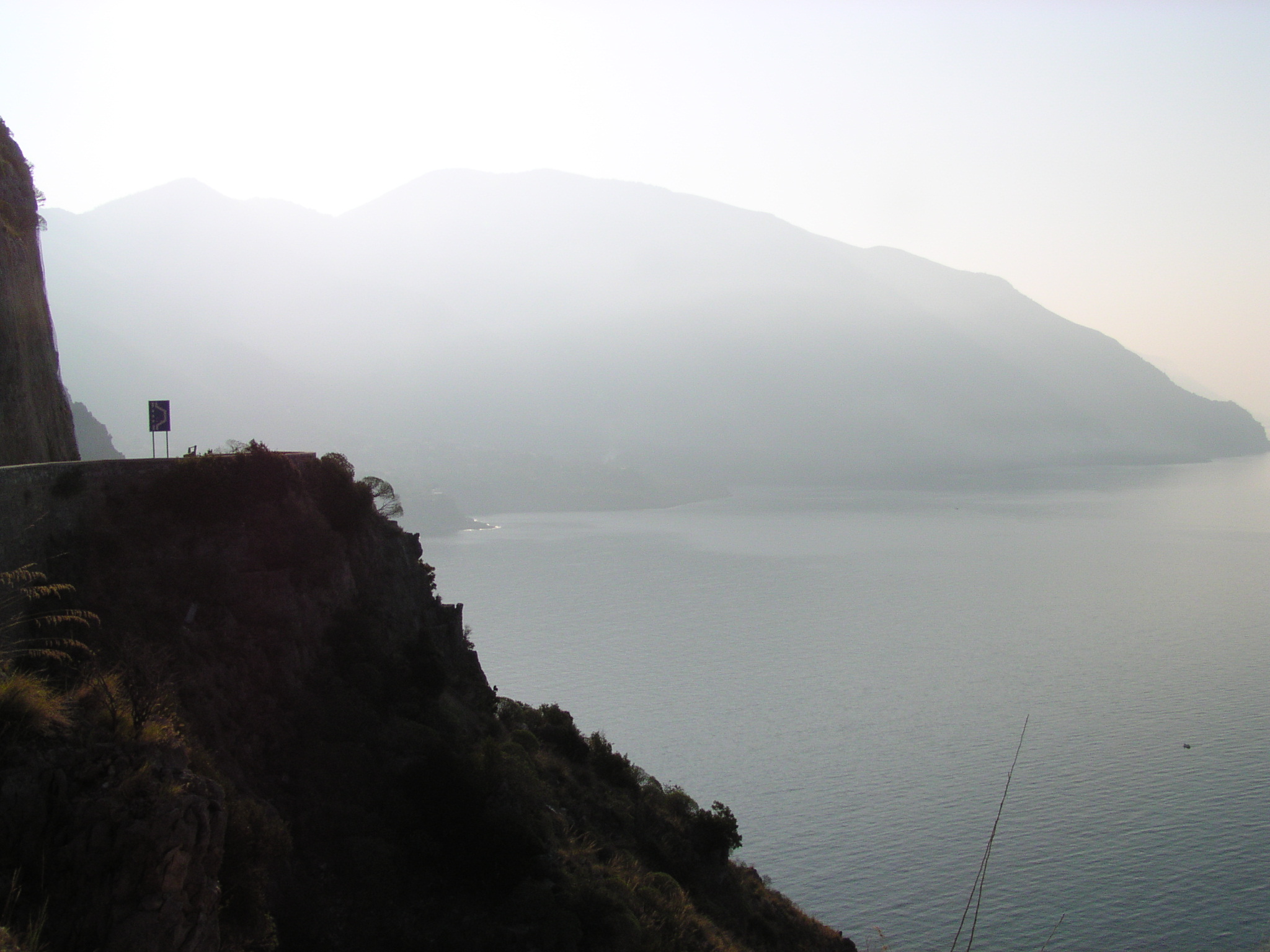
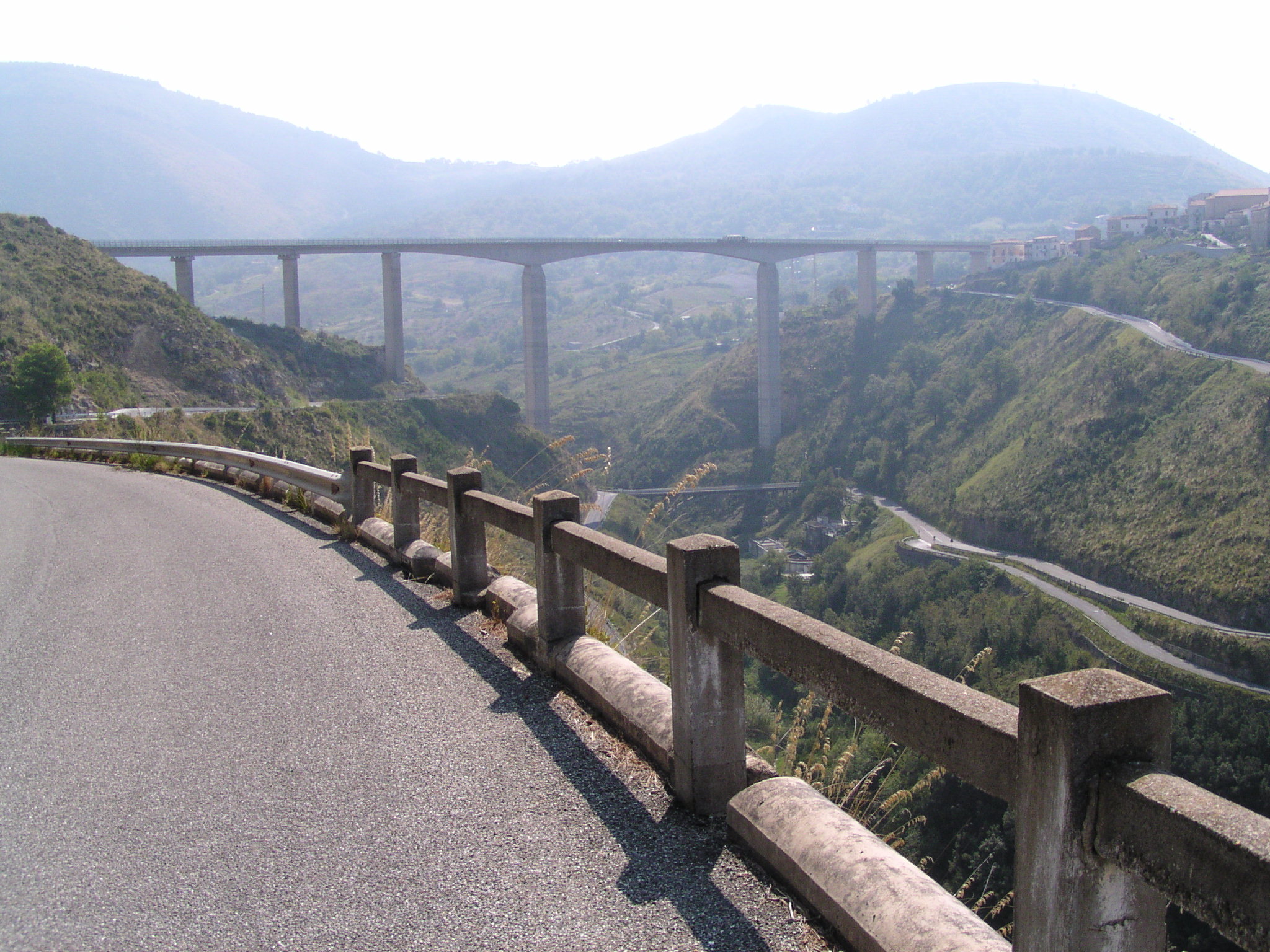
The trip followed the coast. Sometimes on roads winding up and down and around and around. Sometimes on main roads with lots of traffic. Sometimes on small roads that curved down into a valley and then wound their way back out: the same distance covered by 100m on the main road bridge. It was hot going in the Italian summer sun.

Coast road

Coast road

Coast road

Coast road

A long cut

A long cut

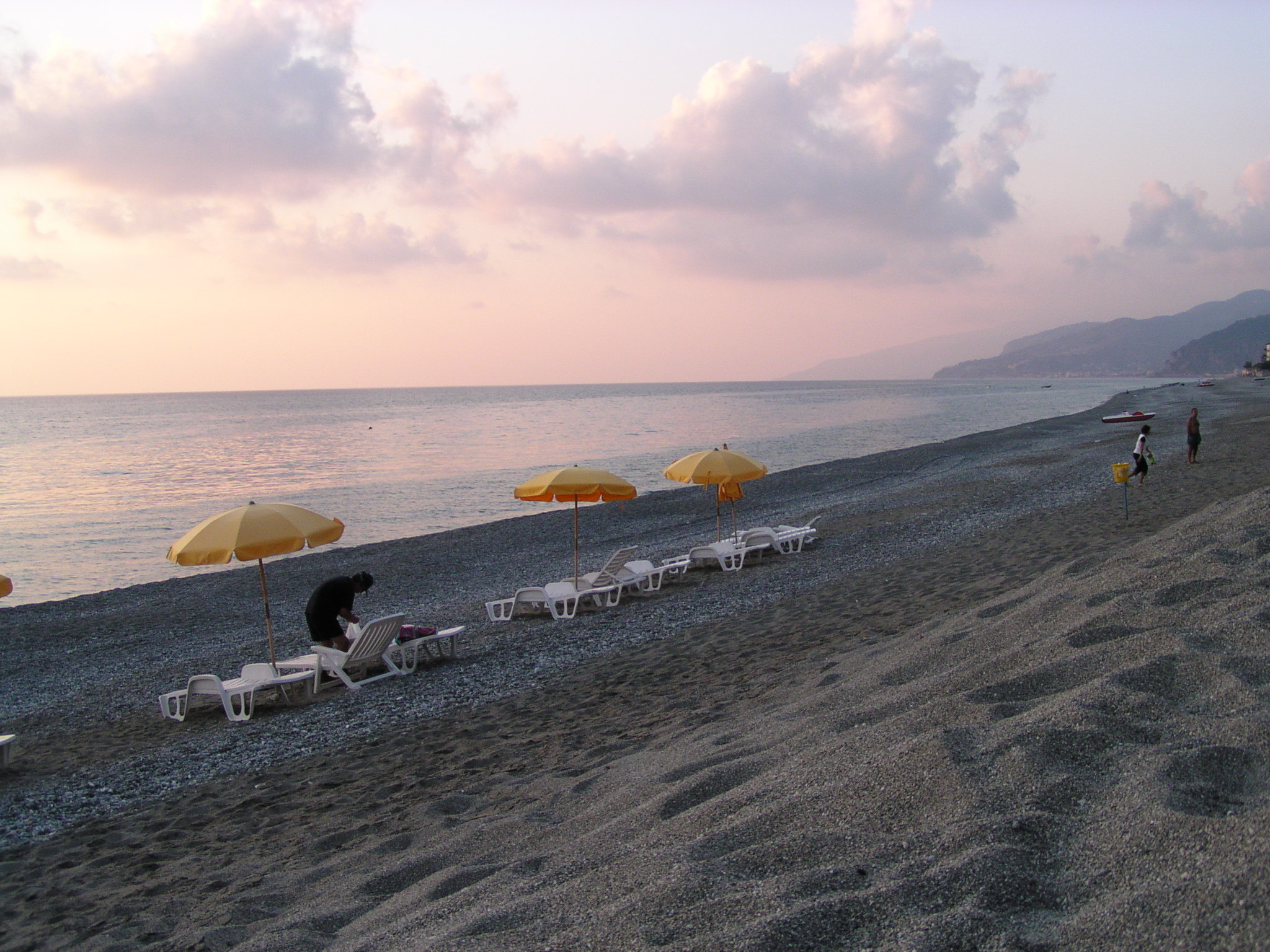
I had my fair share of beach places to stay. The stay on the beach at Fuscaldo was cut short when I discovered that I had left my passport at the previous night stop. An evening train trip back and forth. It was dark on the beach by the time I returned.

Fuscaldo

Fuscaldo

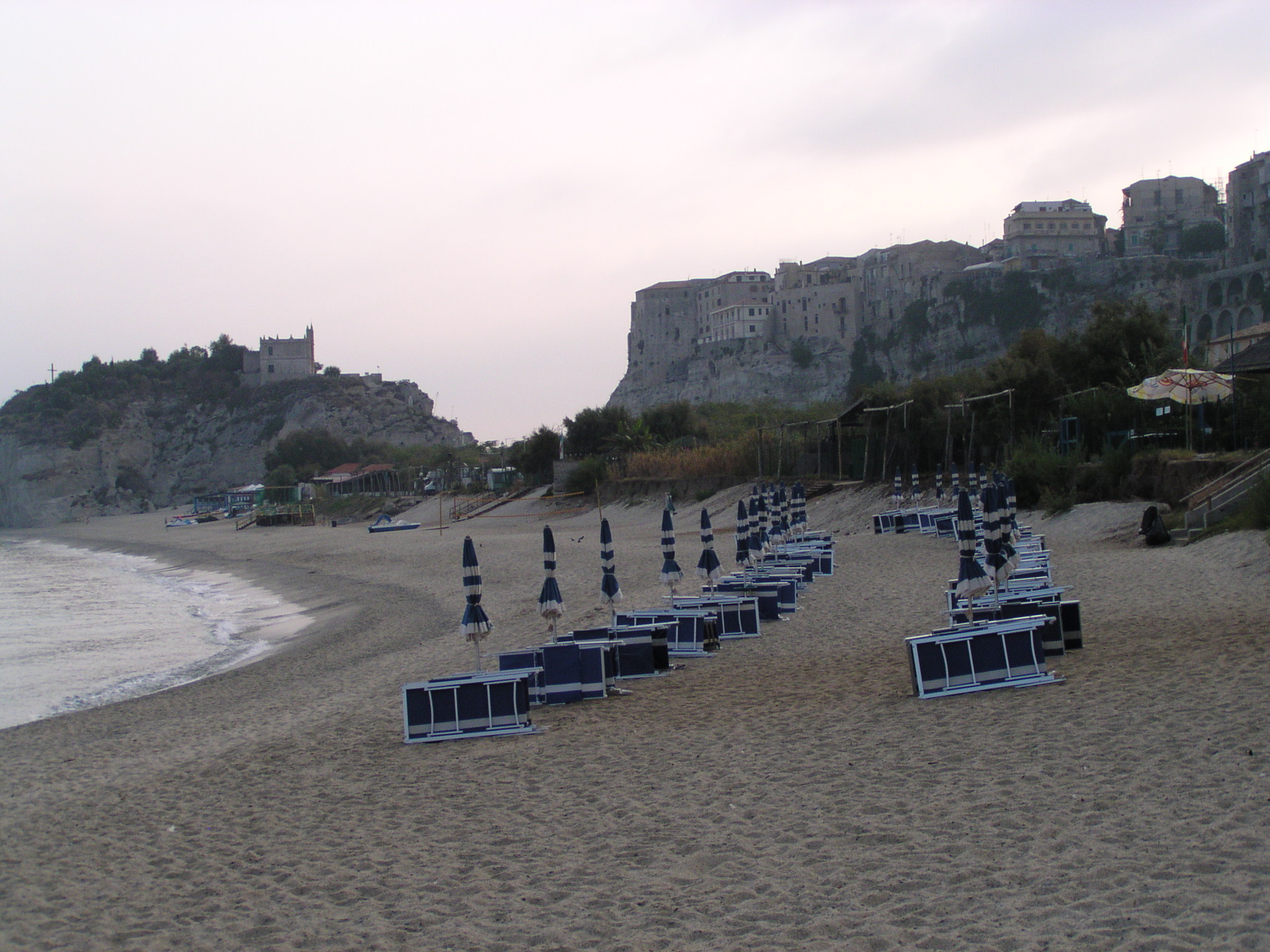
Tropea

Tropea

Tropea is a beautiful village perched on a cliff face overlooking a magical beach. It was lovely weather and a warm evening. I sat that evening at a pizzeria on the cobblestone market square. I remember that evening well, even though I am writing this 10 years later. The square was lit in a soft light from the lanterns. Happy couples were sitting facing each other over dinner and a glass of wine. Families were there, children playing, parents watching over them. Dinner took a while, but that was ok.

I sat. I studied the map, planning my route for the next day. I ate my pizza. I drank my drink. I returned to my hostel. I was tired, and my day was cycle, eat, sleep.

The cycling was fun. The scenery was nice. I was experiencing a lot. But, there was noone to share anything with. My boyfriend was home (he is not an avid cycler). I realised that such long distance trips were sometimes a lonely affair.

Also, southern Italy may not be my optimal cycling destination. It is hot, it is mountainous, and there is a lot of cycling on main roads with lots of traffic. This trip was my last long cycle trip until 2012. After this trip I started long distance running, and ran in quite a few marathons. The same physical exertion, in a shorter time span.

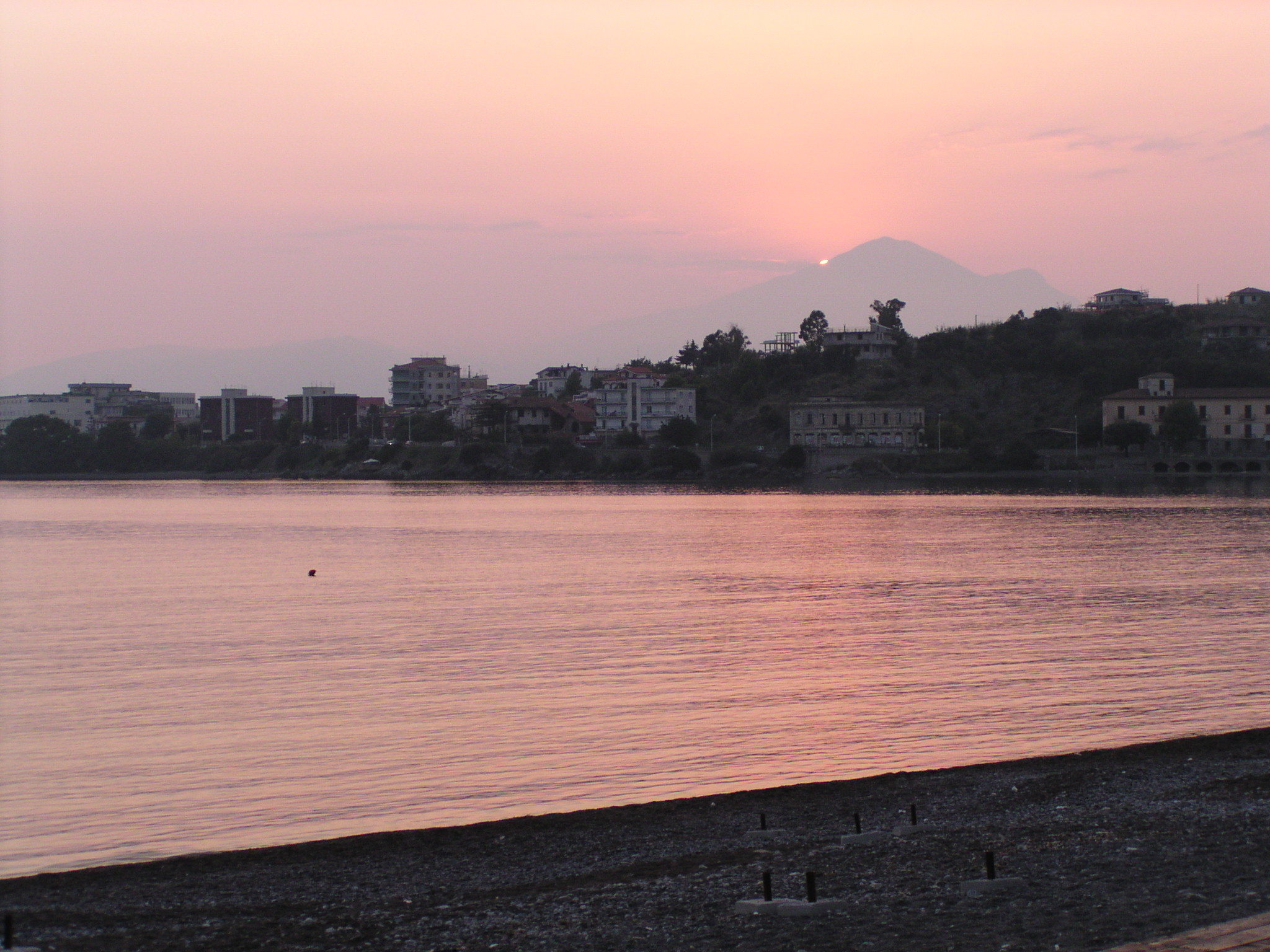
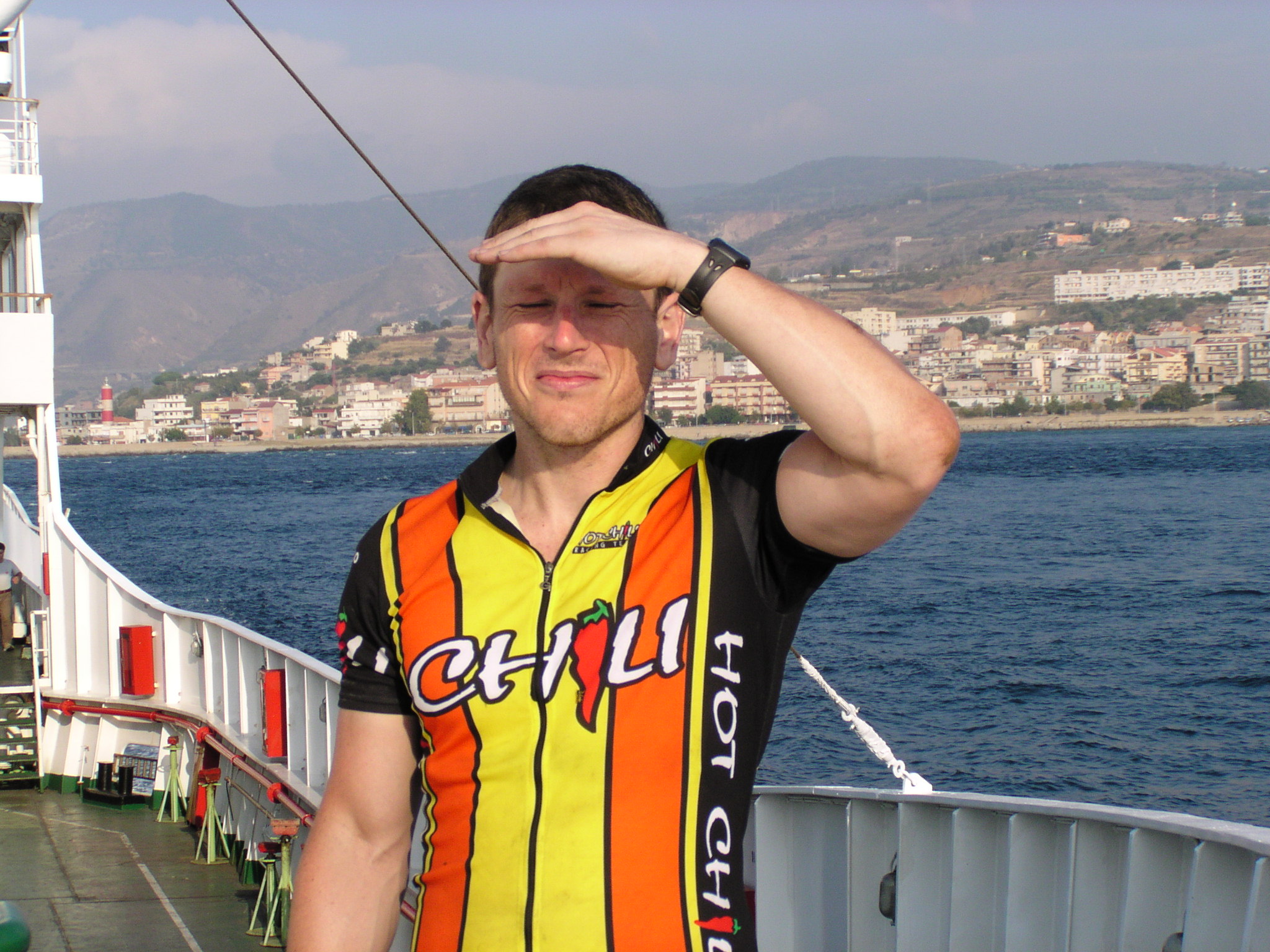
Then the boat over to Sicily, and up Etna: twice. From the hot, sunny coast to the cold, barren, lava landscape of a mighty volcano.

The ferry to Sicily

The ferry to Sicily

Lava on Etna

Lava on Etna

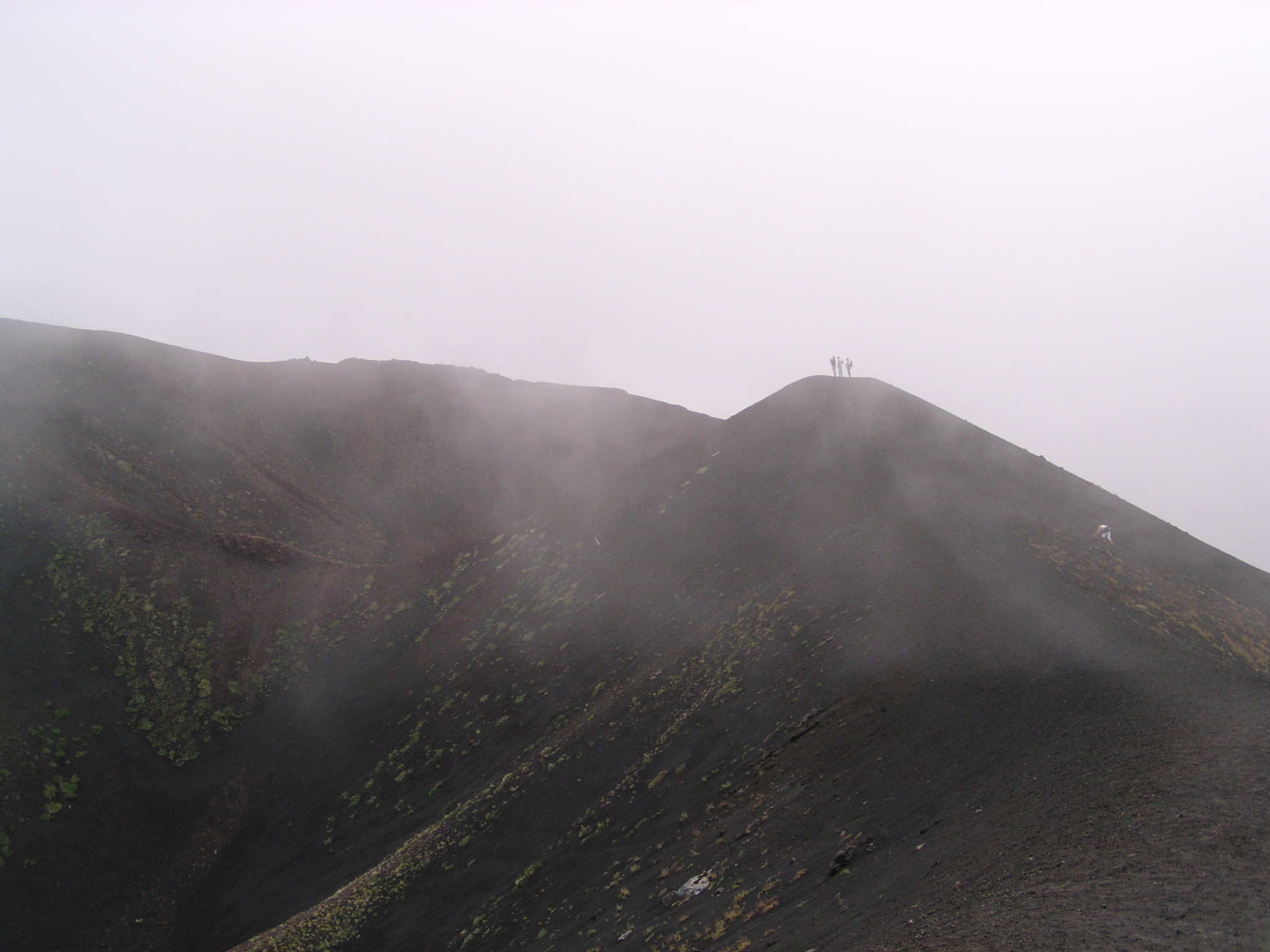
Etna

Etna

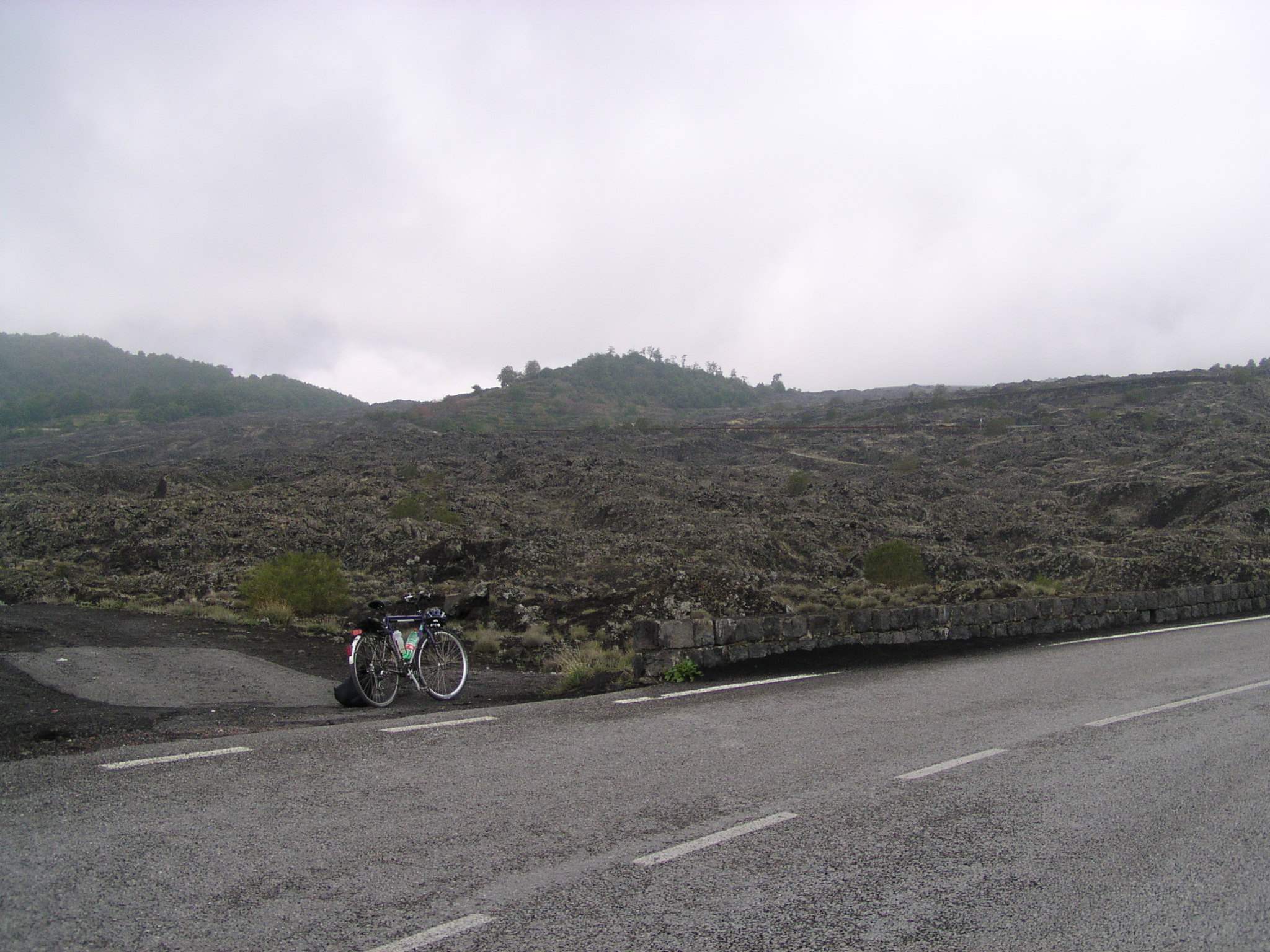
The road to Etna

The road to Etna

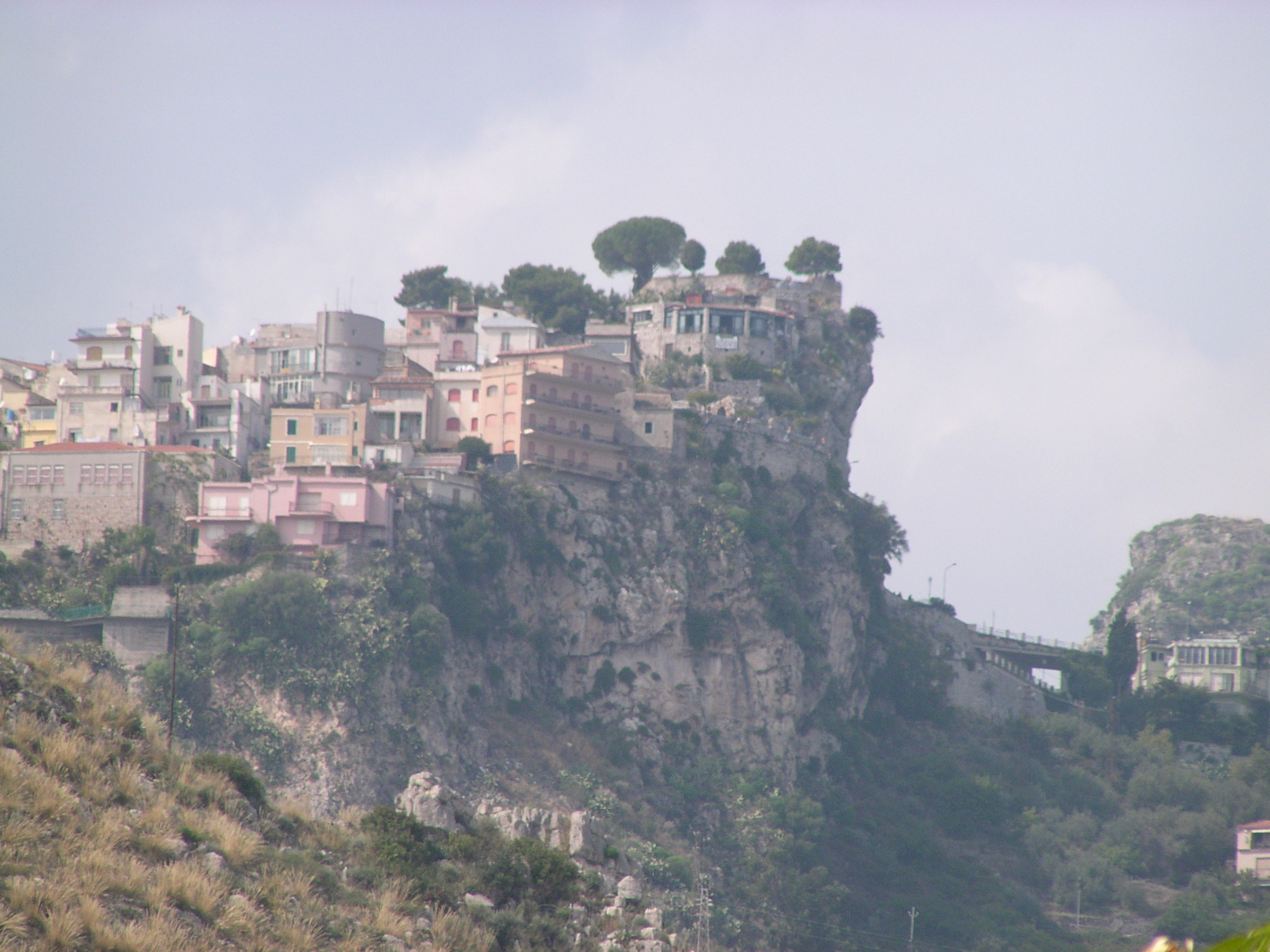
My friend Elke and her boyfriend were touring around Sicily at the time, and so I had a day off with them. We went to the beautiful Taormina.

Taormina

Taormina

Taormina

Taormina

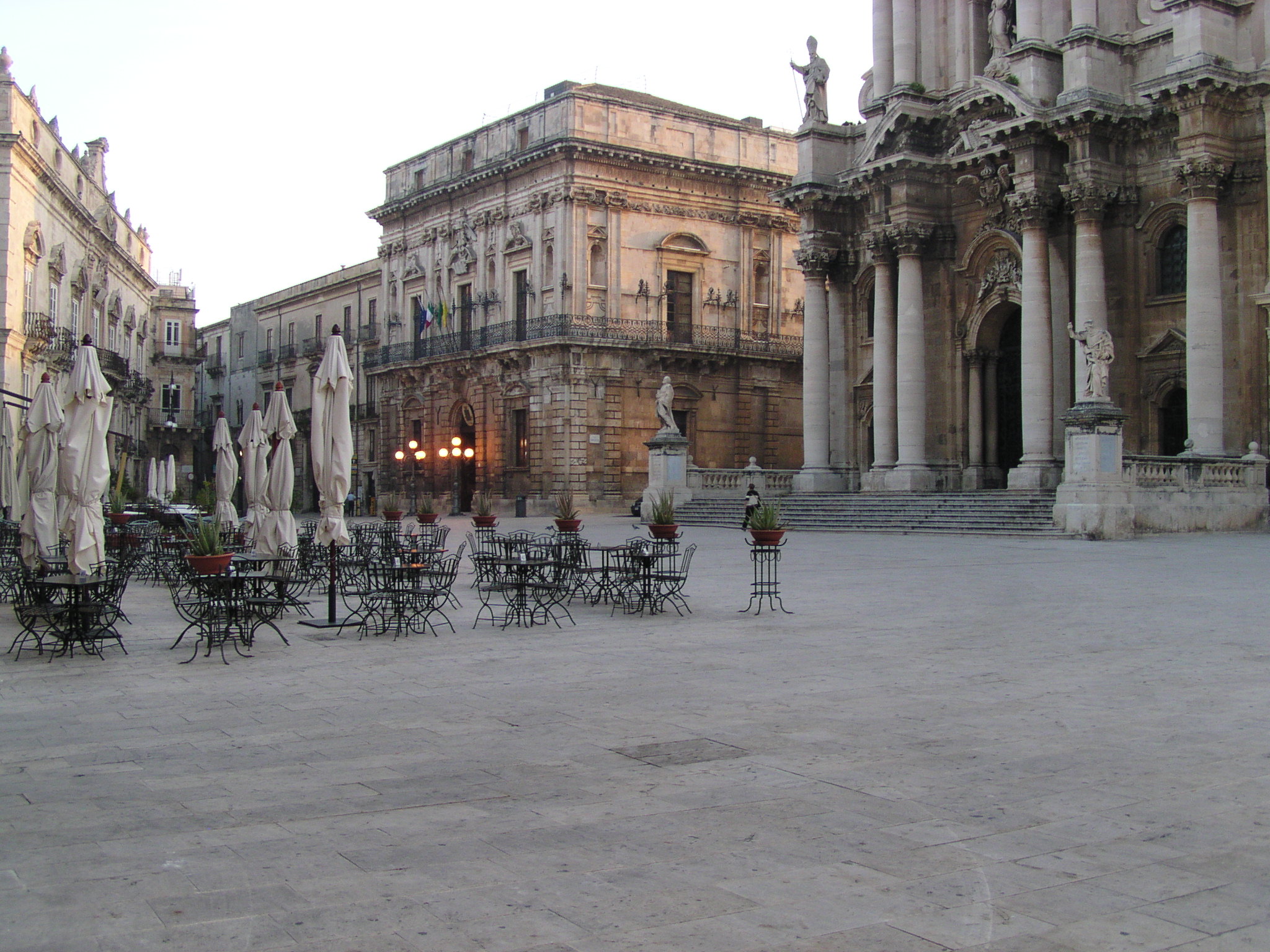
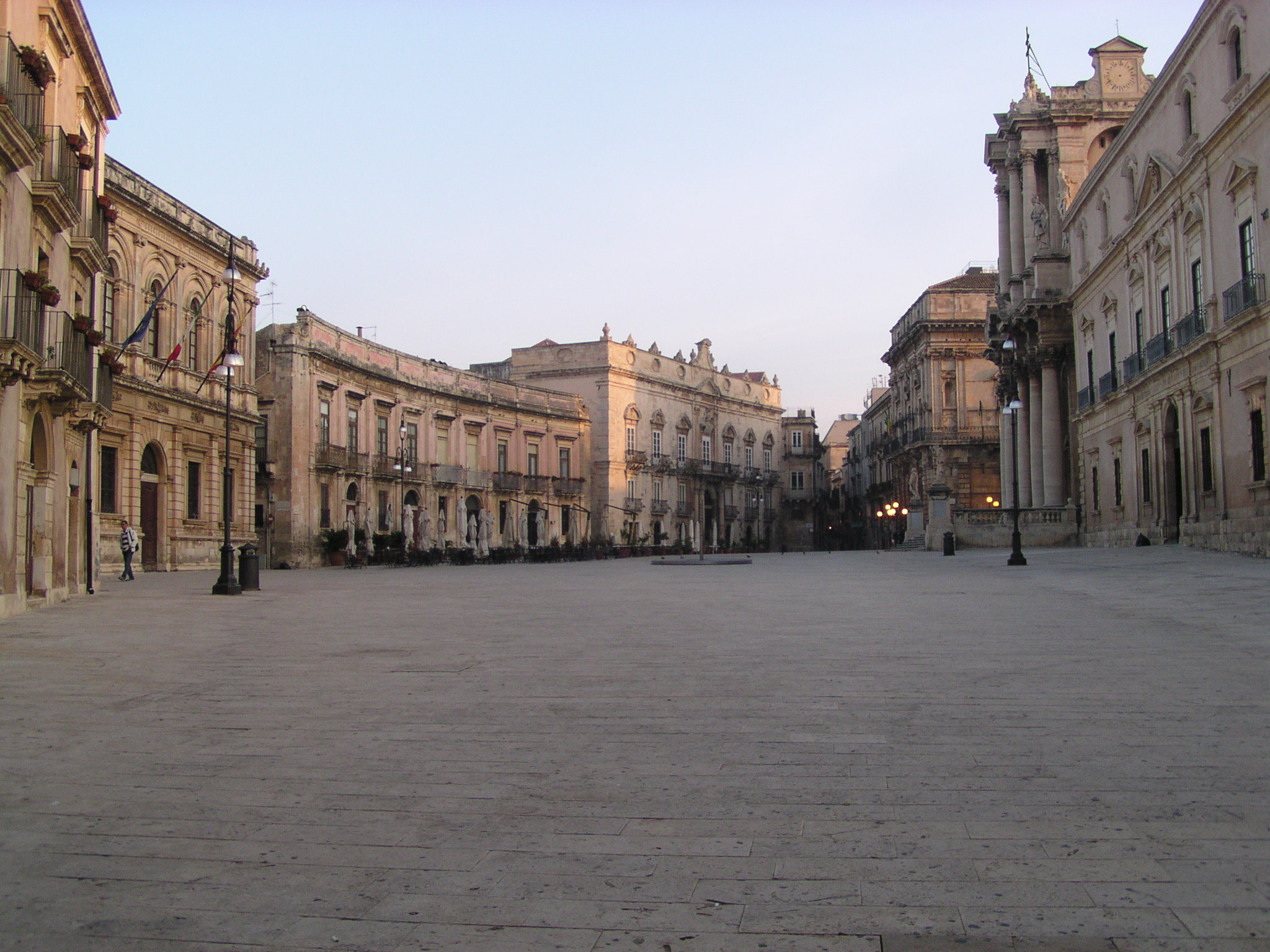
Siracusa is another beautiful city in the south of Sicily. I spent a lovely evening there wandering around the medieval streets.

Siracusa

Siracusa

Siracusa

Siracusa

I arrived in the southernmost town on Sicily: Portopalo. I then made my way to Modica where I took the bus to Palermo. There were no camping grounds in the middle of Sicily, and I wouldn’t be able to cycle across in one day. And time was running short. My trip to the south of Italy was at its end.

And that was my last bike trip for nearly 10 years.
What made me decide to go on another long bike trip? Well, it was Norway. I was there in the winter of 2011, and I was captivated by Tromsø. I was there in the middle of winter when the sun only approaches the horizon and bathes the winter landscape in a deep blue twilight. I wanted to see this place again, but in the eternal sun of summer. Also, Norway is cold. No worries about excessive sweating. And the roads aren’t busy. Oh, and the scenery is absolutely spectacular.

On that trip in Norway, I didn’t experience the lonliness. I met lots of fellow cyclists. And, yes: blogging and facebook made me feel like I was sharing my trip with my loved ones. The wonders of modern technology! In 2013 I will be doing my longest bike trip yet. I am excited already!


Probably the last warm weather weekend of the year had to be taken advantage of. A bike trip in the autumn orange light, through forests of bright red and yellow leaved trees, their colours raining on me down as I cycled past. A 315 km trip from Eindhoven to Münster in Germany.

The plan was to cycle with Volker (who joined me on some of my cycle trip in Norway this summer) from his parent’s house in Rheine to Münster: the bicycle Mecca of Germany. On Saturday I put my head down and aimed at maximum kilometres in order to amble to Rheine on Sunday by noon, and then to Münster on Sunday afternoon.

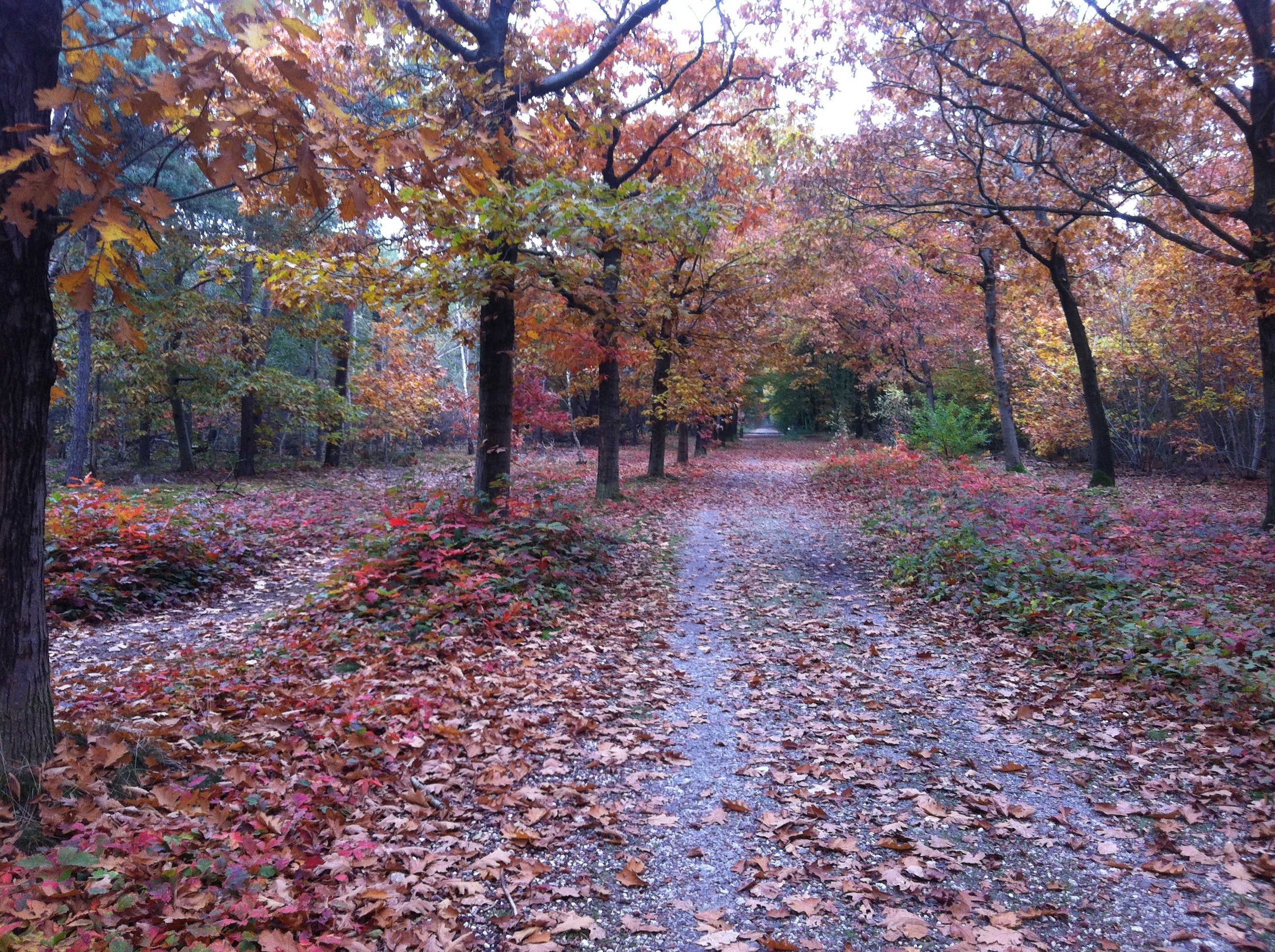
I left Eindhoven on Saturday at 06:30 in the dark and headed north east. It was an overcast day as I cycled through the cow studded fields, and through the bright red forests with the trees shedding their leaves.

The bright red of the autumn forests

The bright red of the autumn forests


Enschede in the Netherlands was my distant destination, and I made it just before nightfall at 1830.

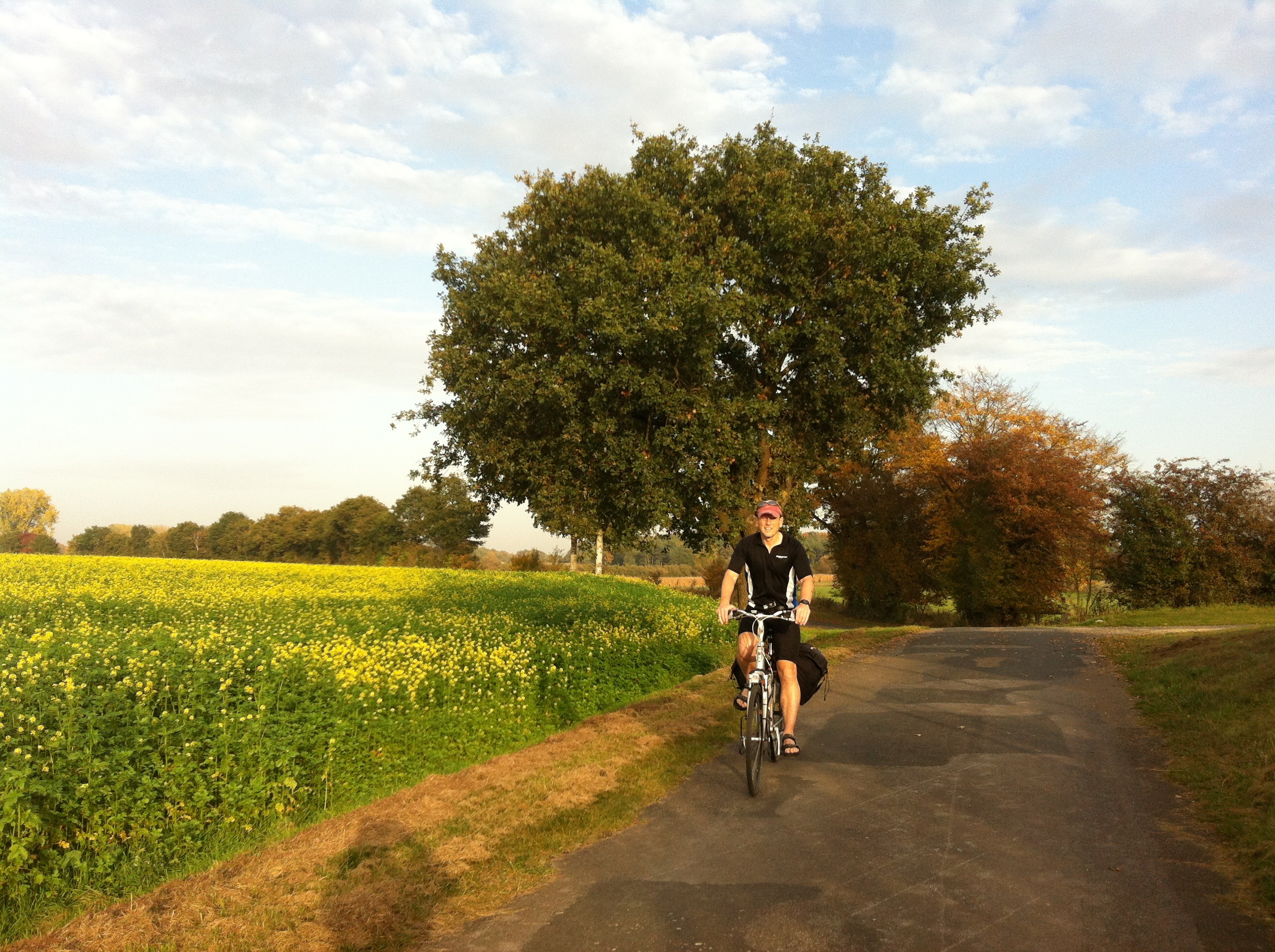
But Sunday was the gem of the trip. Starting misty, the autumn day turned sunny, warm and perfect. The mid afternoon light made highlighted beautiful contrasts in the forest and river surroundings. As the afternoon turned into evening, and the light softened to its mellow departure, the colours became rich and orange. What a lovely light to experience this beautiful nature.

Me near the Ems River

Me near the Ems River

The Ems River

The Ems River

The Ems River

The Ems River

Orange tree in the mellow late afternoon light

Orange tree in the mellow late afternoon light

Cycling in the soft evening ilght

Cycling in the soft evening ilght

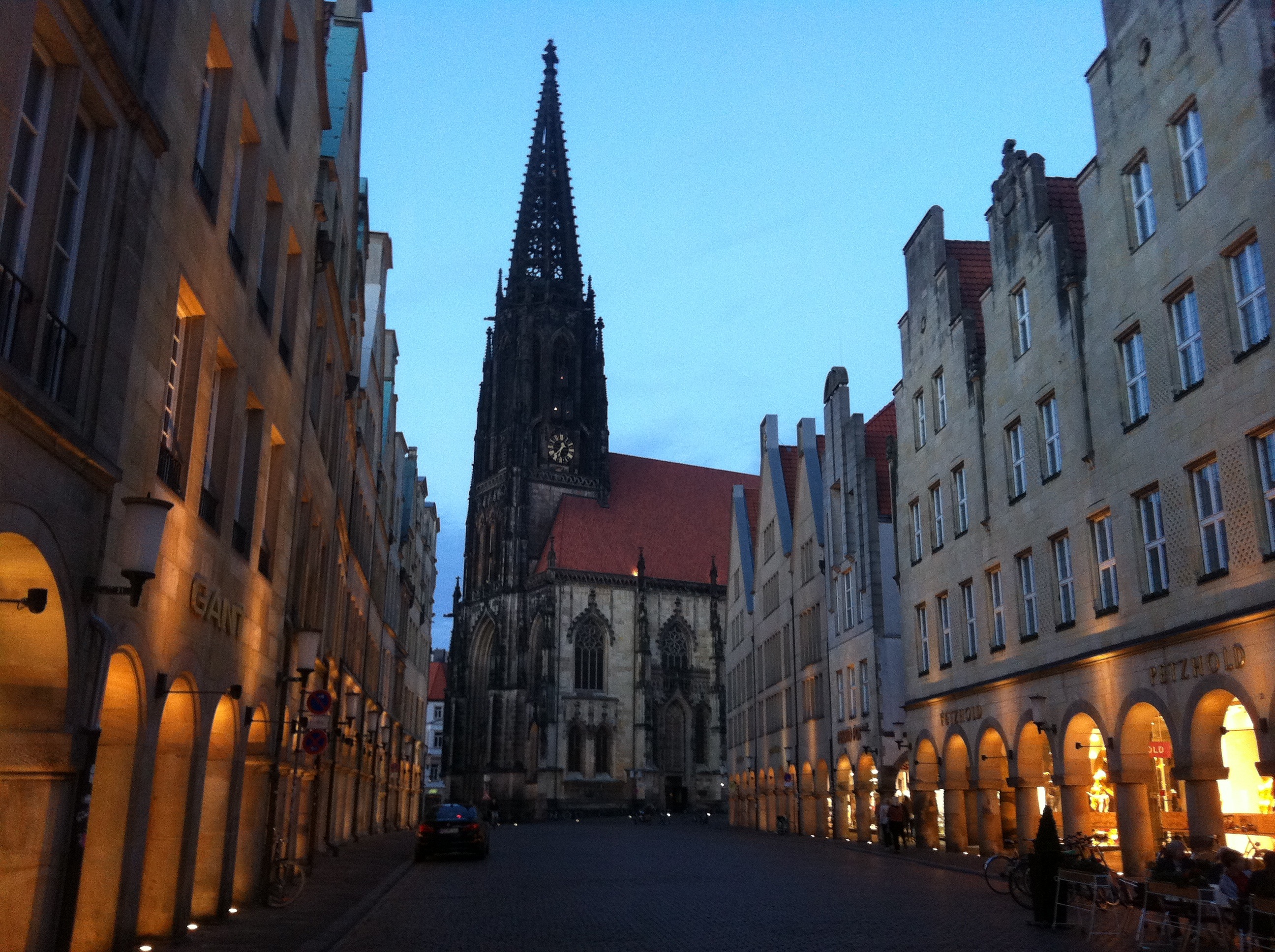
Münster

Münster


Planning (at least the first draft of) the exact cycle route is an important part of the overall planning of a long distance cycle trip. Just ‘following your nose’ leads you to main, busy roads. Insider secrets remain secrets.

In the summer of 2013 I intend to cycle from where I live in Eindhoven, the Netherlands, to the North Cape, via the Baltic Countries. I have put together a planned route which is made up of documented biking routes, collected from a range of different sources. I have collected this route in gpx format which can be viewed on my iPhone.

Here, I would like to list the biking route sources, and how to concatenate such routes to the ‘mother plan’ route.

Sources of the cycle route

Netherlands

The Netherlands has a great infrastructure for cycling. There is a dense network of signed bike paths that connect numbered ‘nodes’ throughout the country. Each node is between 1 and 10 km apart, and from each node, there are signposted routes to each of the neighbouring nodes. There is a bike route planning website which calculates suggested routes between any nodes that you specify. I used this to calculate a route from my house to the start of the German section of the R1 bike path which I will follow most of the way to Tallinn in Estonia.

Germany

I generated the route crossing Germany using the cool bike route planner Naviki. Many thanks to Oskar from the Polish cycling forum for his tips for Mecklenburg Vorpommern.

This route replaced my original route following the R1 bike path
– a long distance bike path from Bolougne in France to St. Petersburg in Russia. The German leg of this bike path (along with a huge number of cycle paths across Europe) is available in gpx format on the Lonvia ‘bike overlay’ to the OpenStreetMap open source map project. Simply scroll to the area of interest and click on ‘Routen’ to see a list of the paths displayed on the map. A gpx file can be downloaded for each of these maps.

Poland, Kalingrad, Lithuania

In Poland I will follow the EuroVelo 10 bike path. I found the route for this on bikemap.net. Many thanks to Pawel and the people on the Polish cycling forum for helping me out here.

After following the coast to Gdansk, I will make my way to the R1 cycle route which can be downloaded from the Lonvia bike overlay as described in the German section. The Polish section is not completely covered, though. I used the gpx files which are from Detlef Kaden. This book/CD combination is excellent, giving route information, as well as info on things to see, accommodation, and visa information for the Kalingrad Russian enclave.

Latvia

For Latvia, I used a combination of gpx files from Detlef Kaden (see Poland section), as well as cycling routes from the Lonvia OpenStreetMap overlay (see the German section). See the section below on how the information from these two sources was concatenated.

Estonia

For Estonia, I used routes from the Lonvia OpenStreetMap overlay (see the German section).

Finland

Eurovelo is a planned network of long distance cycle paths crossing from one side of Europe to the other. There are 14 planned routes, which are shown here. The routes are in different levels of completion. For most routes, there is no information available at all. For the Finnish sections, there is detailed information given in the form of google maps. I downloaded these routes and converted them into gpx to add to my overall route. (I describe this conversion below.)

Sweden

The Swedish leg is part of the ‘Cykelspåret längs ostkusten’. The gpx files for this can be downloaded here. These gpx files outline a path up the coast. When the coast is left at the top of the Baltic sea, there as so few roads, I figured that no special attention needs to be paid to look for small cycling roads. I used google maps to create the paths from here up to the Norwegian border. (Converting google maps to gpx is described below.)

Norway

In Norway I will follow the ‘Sun route’ as described in the Lonvia overlay for OpenStreetMap (see German section).

Converting and merging gpx files

When cycling, I use EveryTrail to track my trip, as well as to follow the planned route. EveryTrail uses gpx files.

To create the ‘mother’ route, stored in gpx file format, I concatenated individual gpx files. This concatenation is described here.

Here is an instruction video of how to convert google maps (kml) files to gpx file.

Sometimes I only wanted a piece of the path contained in a gpx file. I did the editing by hand, joining two gpx files at the correct place by matching the latitude and longitude coordinates to find where the paths cross.