Posts Tagged ‘Cycling’


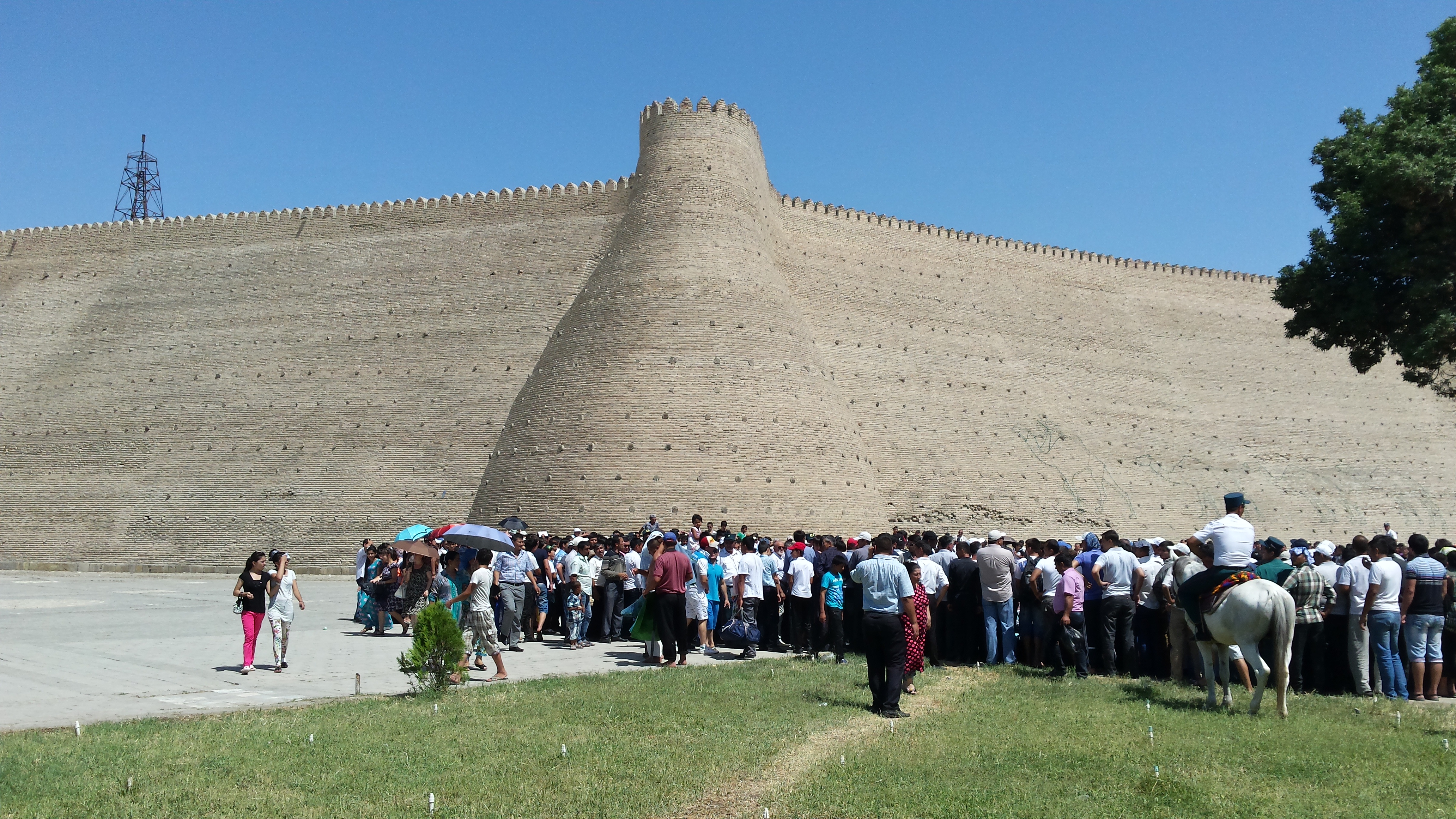
What did I do in Bukhara? Sleep. Vegetate. Blog. Bog (toilet). Video. I went for a short walk around the old town. I’m not a normal tourist. Bukhara was down-time for me. Not cycling.

Bukhara

Bukhara

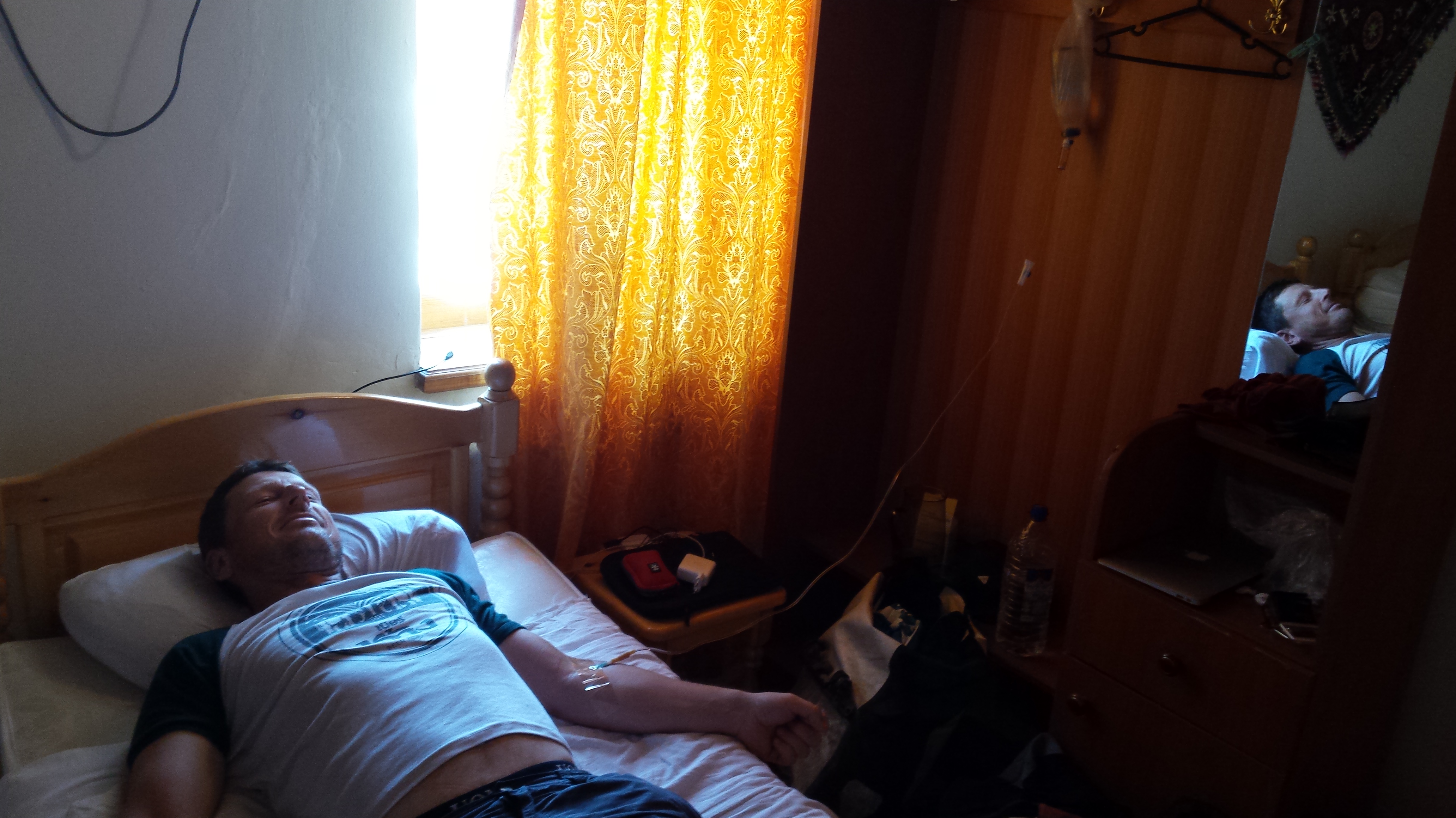
In Bukhara I spent quite some time on the toilet. My body said it had had enough of cycling – it decided to make sure I get some rest. So, I got the shits. The excitement increased when I tried the local remedy – doping.

Salt and glucose solutions

Salt and glucose solutions

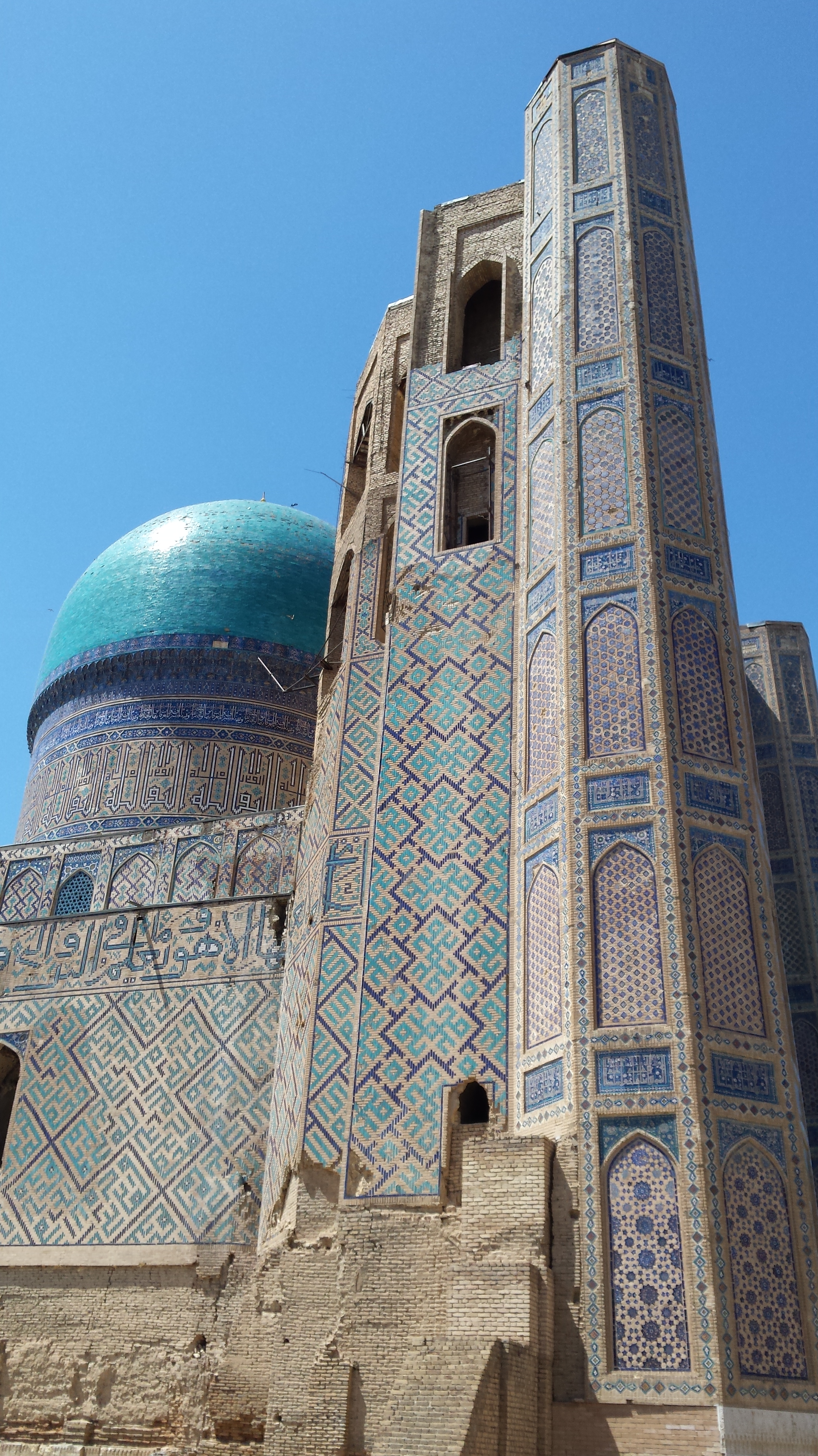
Samarqand is a big detour on the way to Dushanbe in Tajikistan. I wanted to see it, but I didn’t want to cycle an extra 300km through the heat – so – I became a normal tourist and caught the train (Bukhara – Samarqand – Bukhara). I can confirm that I prefer cycle tourism. A lot of elbow-work was needed to finally reach the counter at the train station to get the ticket (like how I remember India). In Samarqand, the people contact was more professional – I was a tourism customer. My bike is the key to making personal contacts to people, and I didn’t have Drahtesel (my bike). I purchased tickets to see the sights. I negotiated guide prices. People called out to me to buy souvenirs, bracelets, carpets, hats. The sights in Samarqand were beautiful. I have now seen them.

Samarqand

Samarqand

Samarqand

Samarqand


‘Why are you taking a photo?’
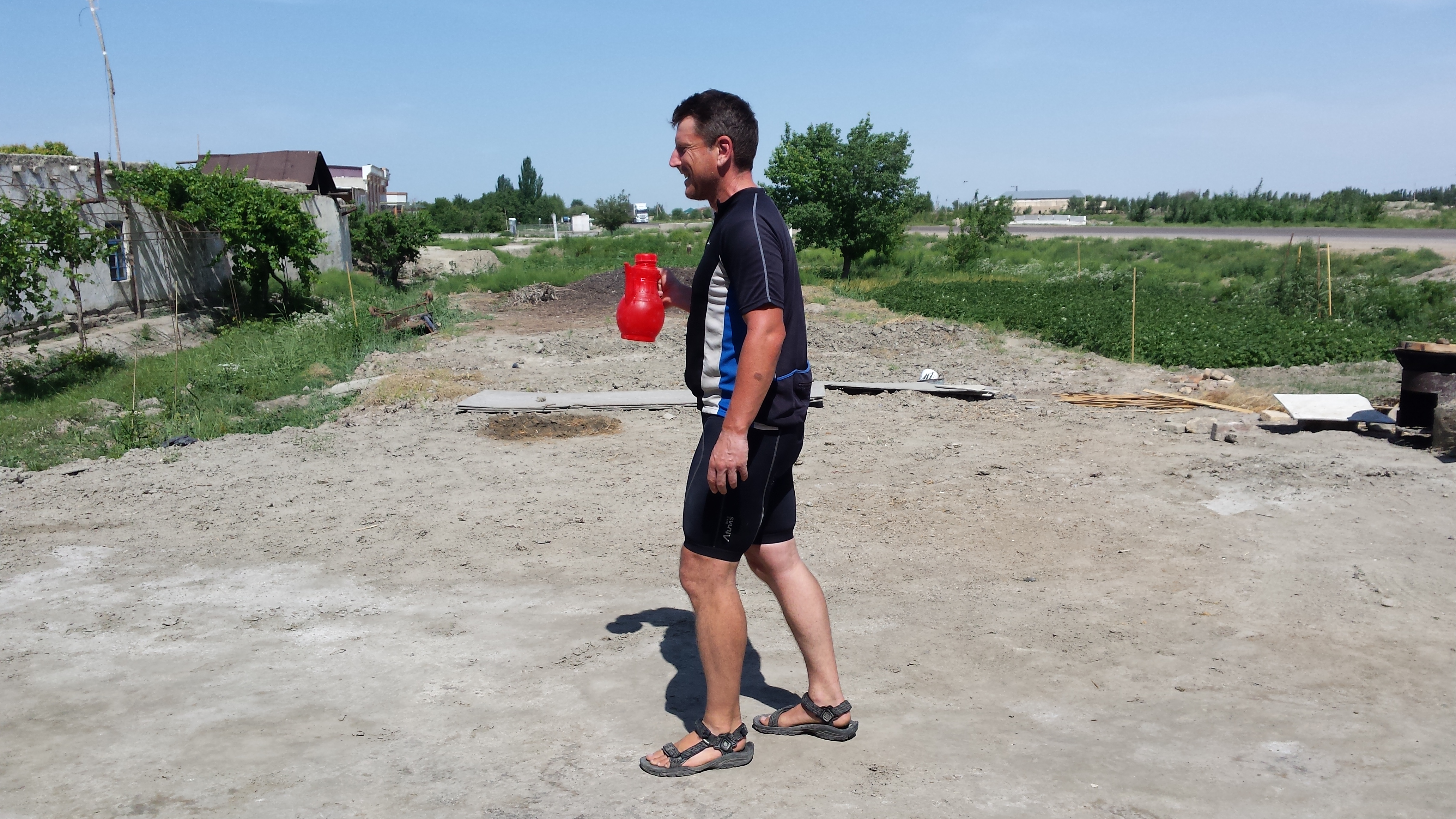
Thomas was taking a photo of me walking to the toilet with a jug of water to wash my backside.
The man was worried. Was his toilet no good?
‘You explain, Thomas. I need to go!’
Going to the toilet in Uzbekistan.

Going to the toilet

Going to the toilet

‘In the west we use toilet paper.’
‘We have toilet paper too!’ The man was insulted. Uzbekistan people are advanced too.
‘Yes, but you only use it to dry your backside after cleaning it with water.’
‘Yes.’ This was a yes as in, that’s obvious, why mention it. ‘You don’t use water?’
‘Yes, but only after we have cleaned our backside with toilet paper.’
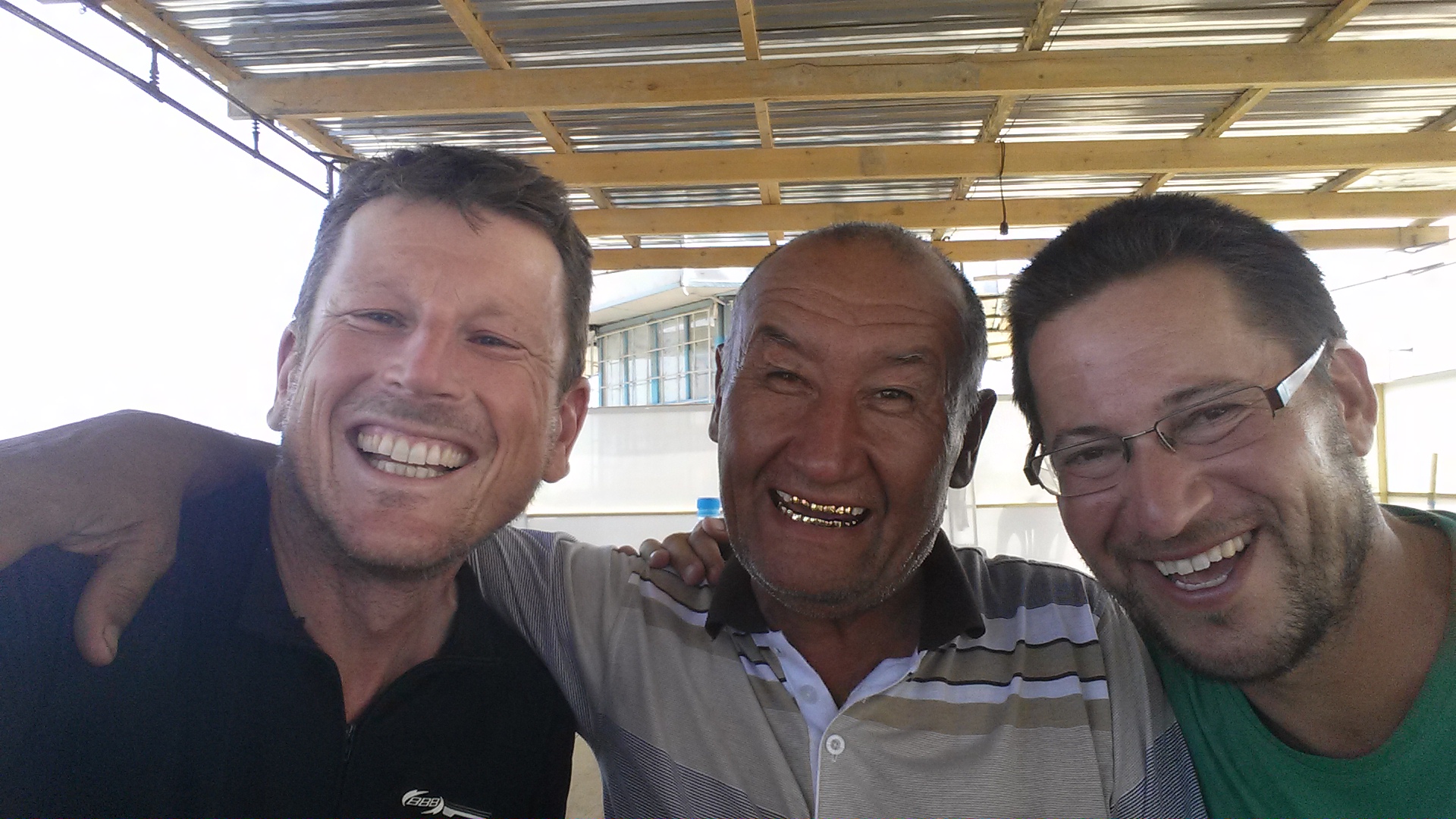
It was becoming clear, a detailed explanation was required. I explained the two methods with graphic detail, acting out all the actions so I could be understood. The man – a café owner – grinned, showing us his lovely golden smile.

Cafe owner

Cafe owner

When I left Europe, I would have found this eastern method of toilet hygiene challenging. Now it is the most natural thing in the world. Indeed, it is more hygienic than using toilet paper.

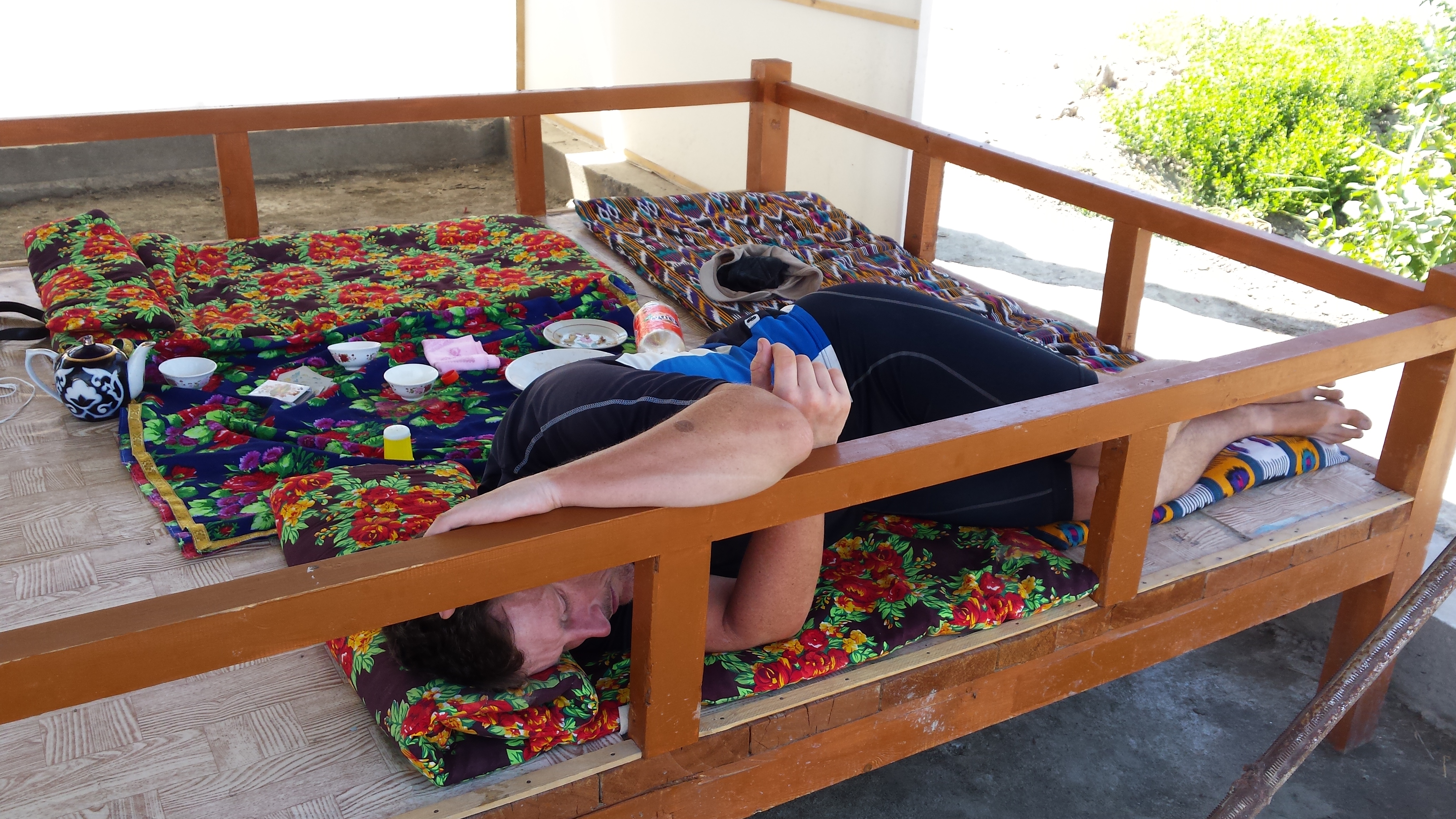
We have now left Turkmenistan, and there is no visa time pressure. This means we sleep in, cycle at a snail’s pace, and have an afternoon snooze.

Afternoon snooze

Afternoon snooze


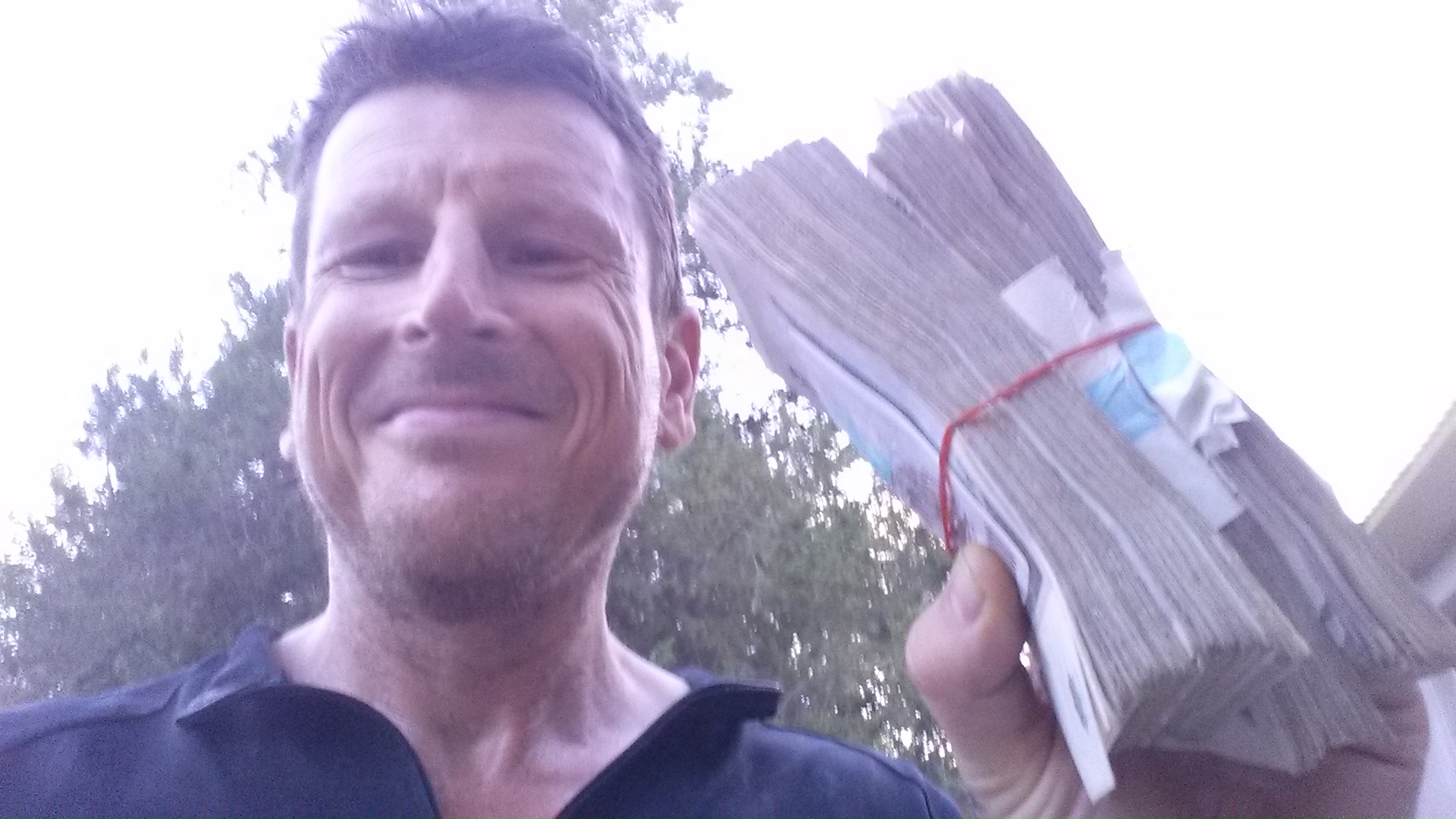
I am lying in my hotel in Uzbekistan with my wheelbarrow of money, exhausted. Not from today, but from the Turkmenistan dash. A 70km ride into the wind with lots of stops meant today was a slow down from the last days, and got us to within a bull’s roar of Burkhara.

Money money money

Money money money

The border crossing was harmless. After our horror Iranian border crossing, we went expecting the worst, and were greeted with smiles and efficient people. Again, we were greeted by loads of people on the road. Everywhere you go, people are lovely. It’s a thing common in the world!

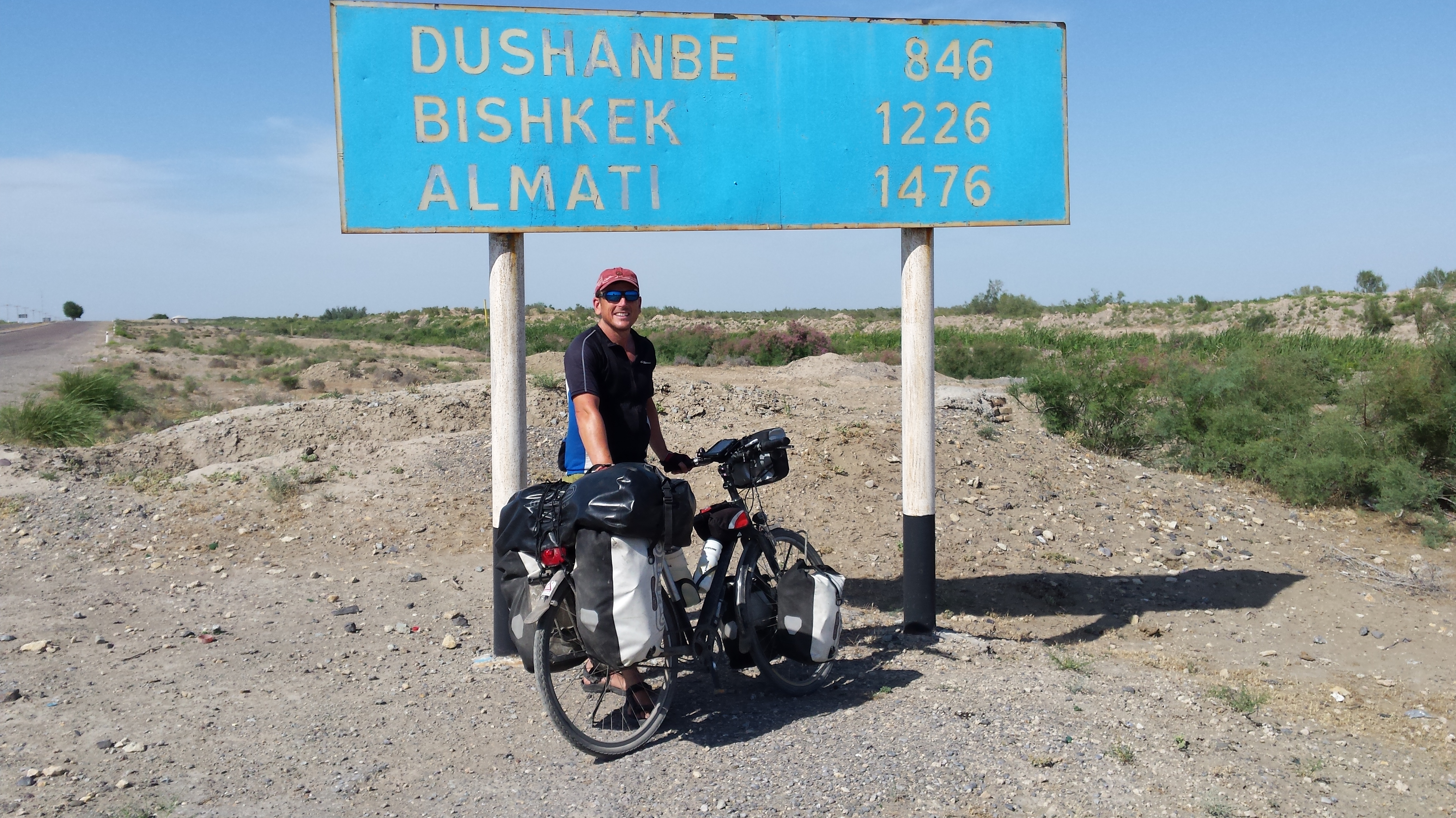
In Turkmenistan they have saved money on road signs. I think I saw about 2 road signs showing directions in the whole country. Crossing into Uzbekistan, we passed a cool one. Exotic places so close!

Exotic places are near!

Exotic places are near!


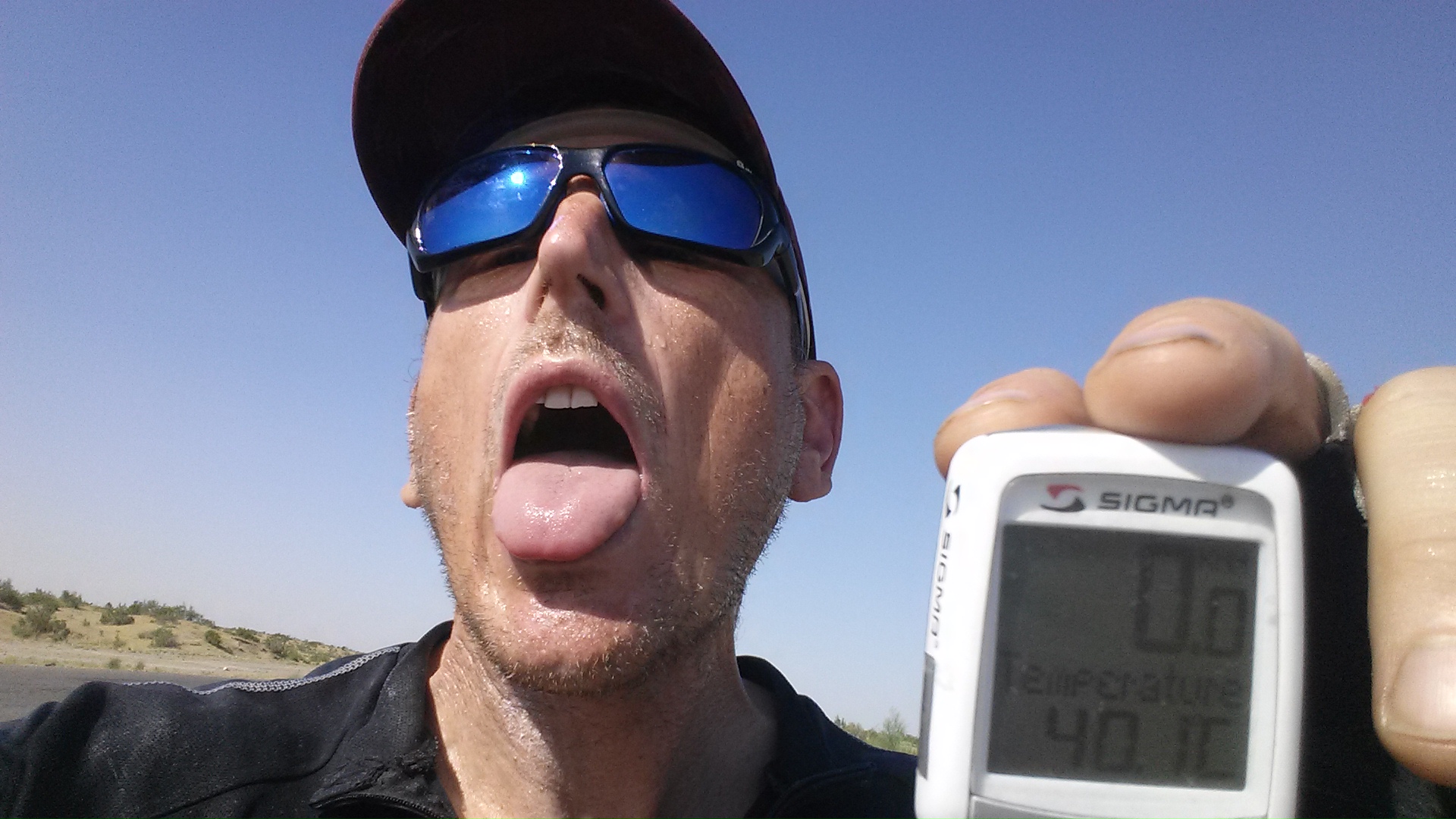
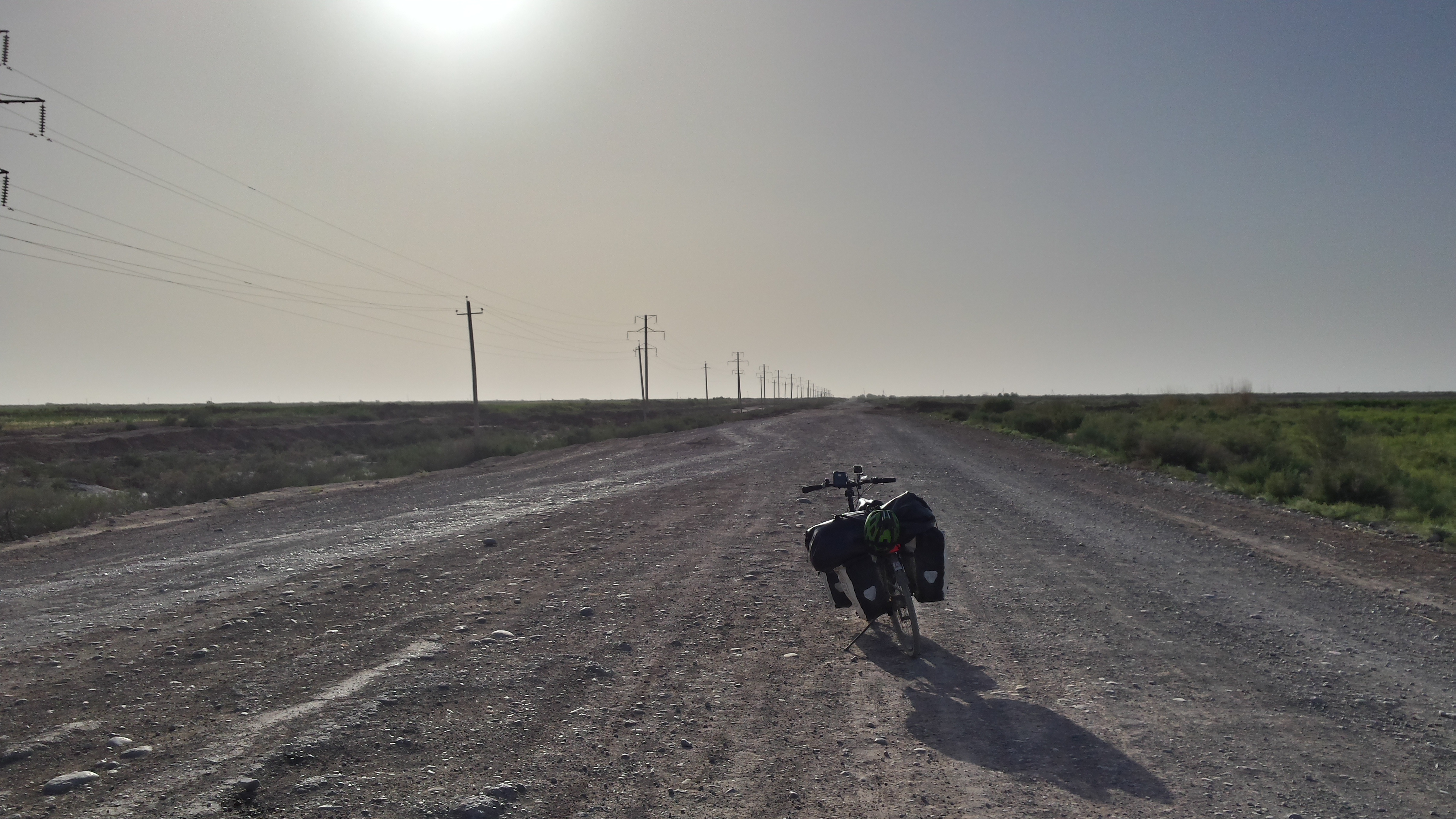
I have almost cycled across Turkmenistan in 3 days – just 40km tomorrow to the border. Today I drank 10 litres of water and 3.5 litres of soft drink. I cycled 190km through temperatures up to 41.1C, with a moderate headwind from 11 to 4 o’clock. And I met lovely people in the desert. The desert is vast, hot, and beautiful!

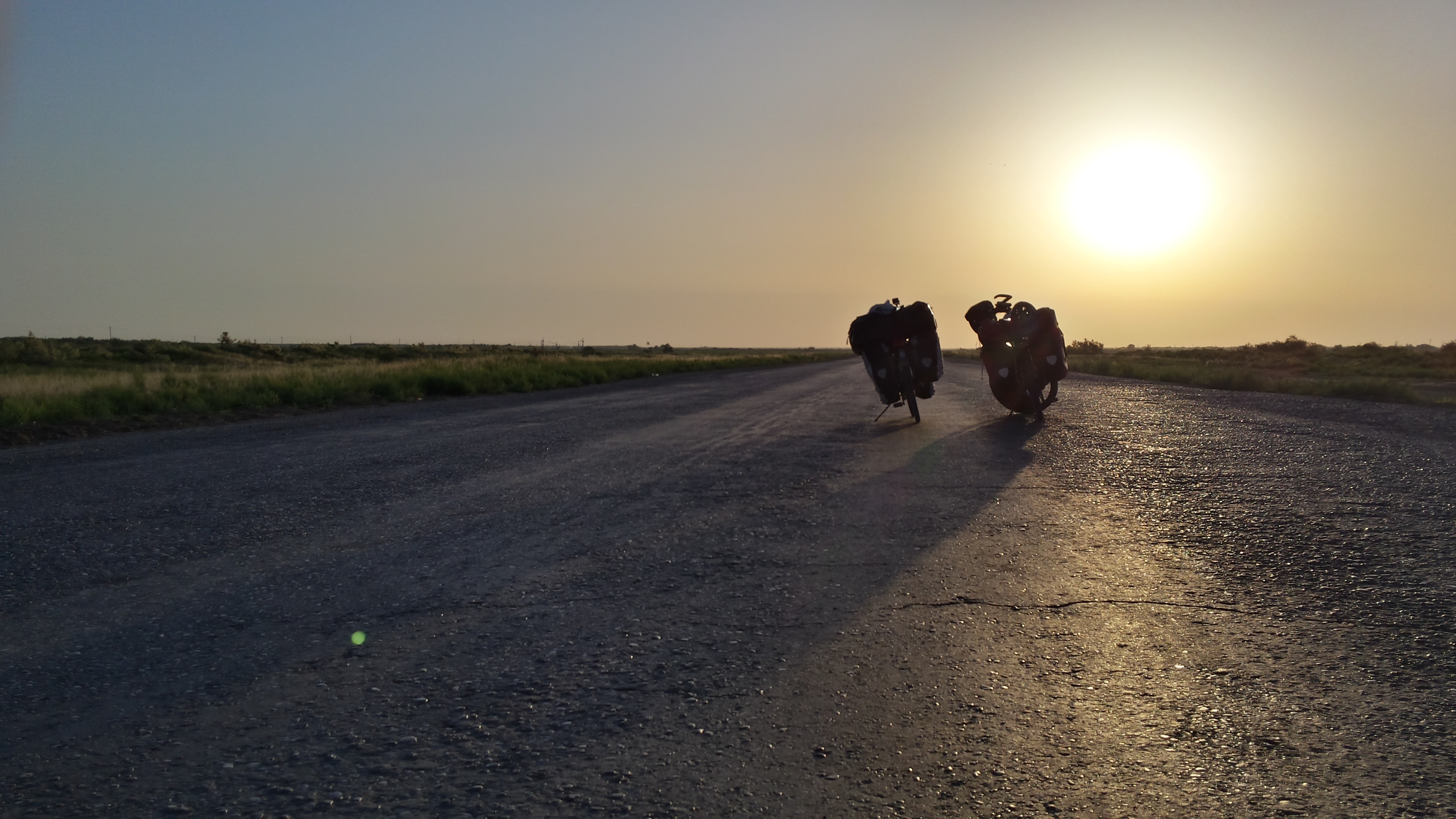
Bikes at sunrise

Bikes at sunrise

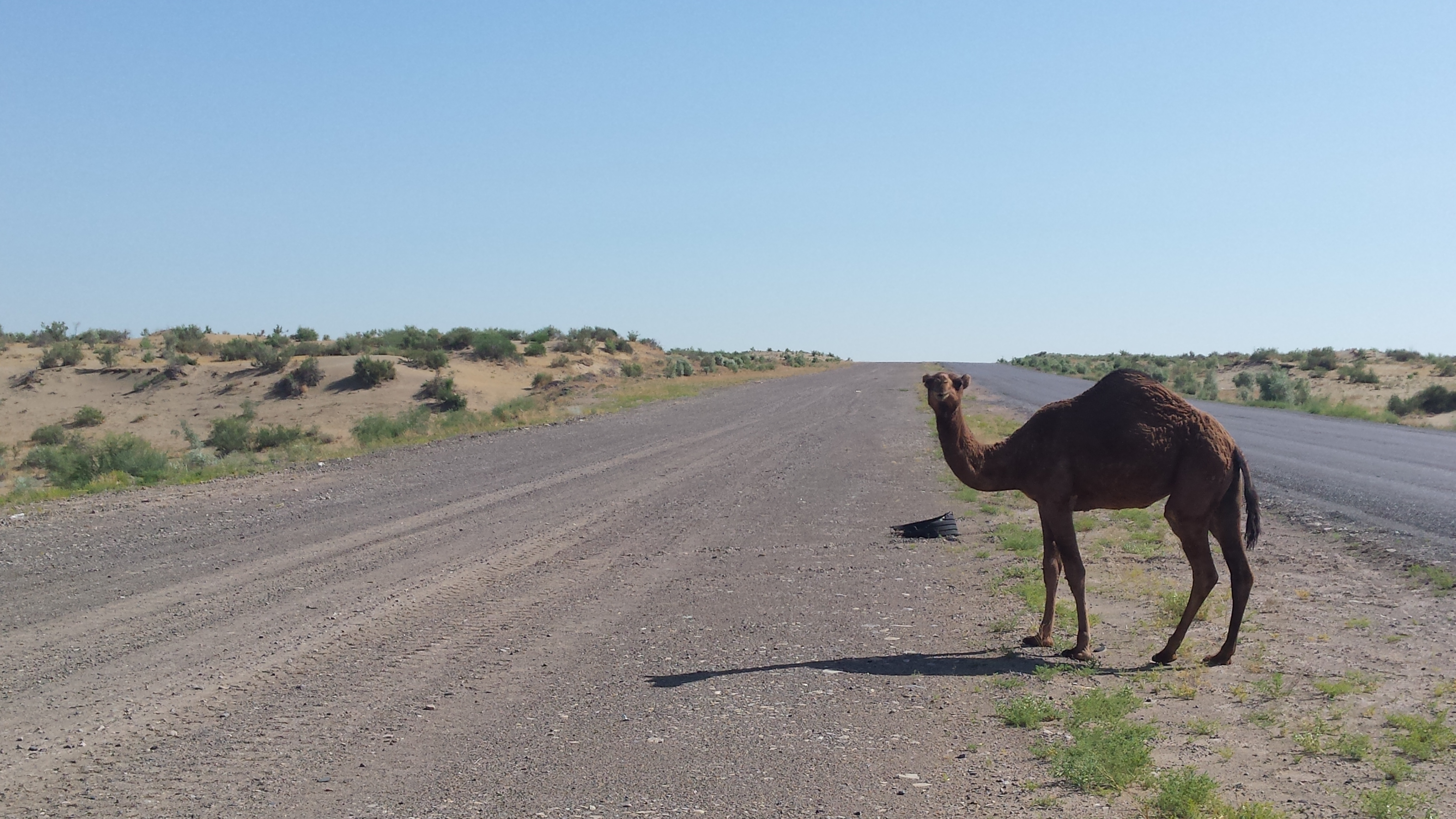
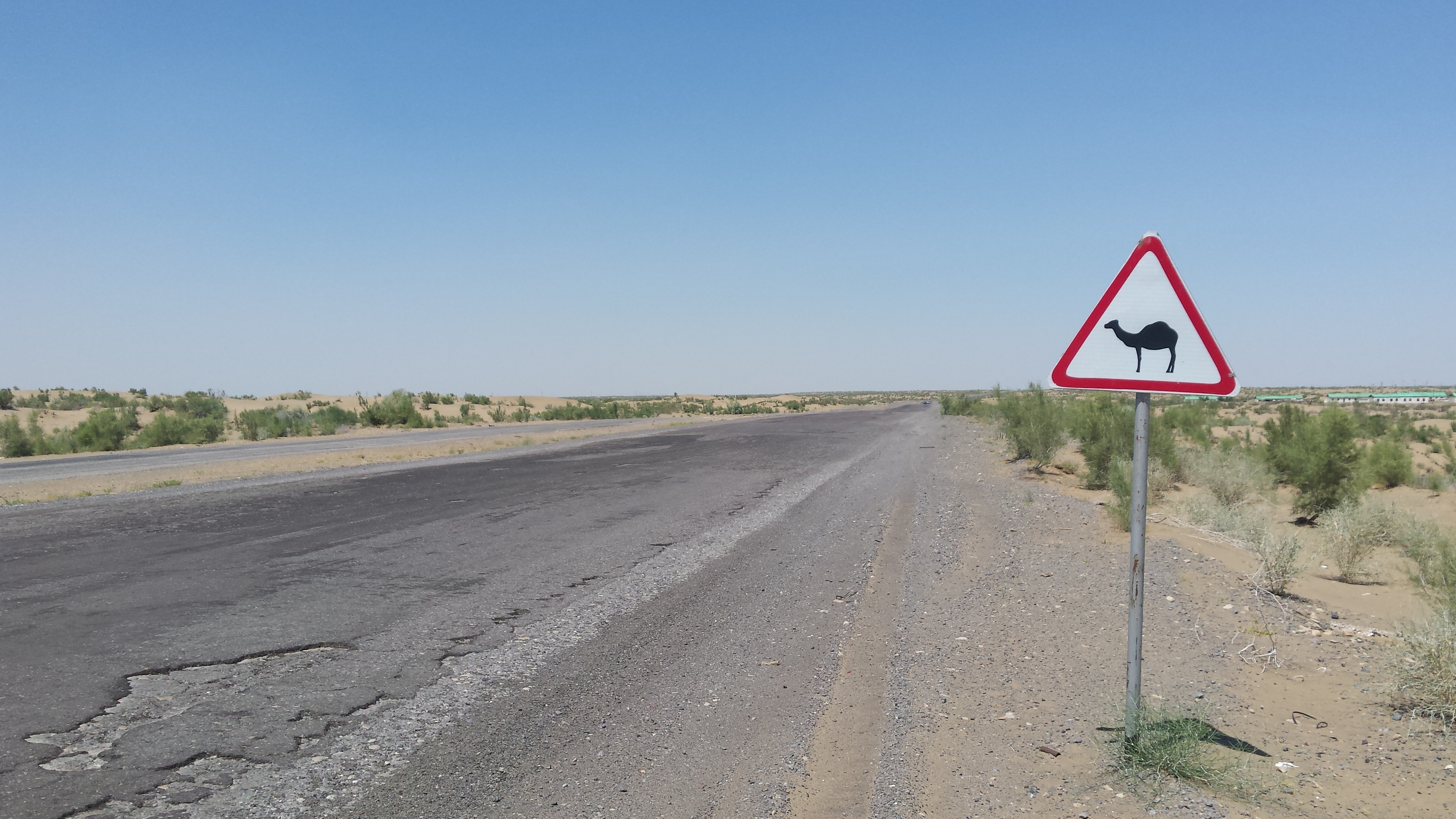
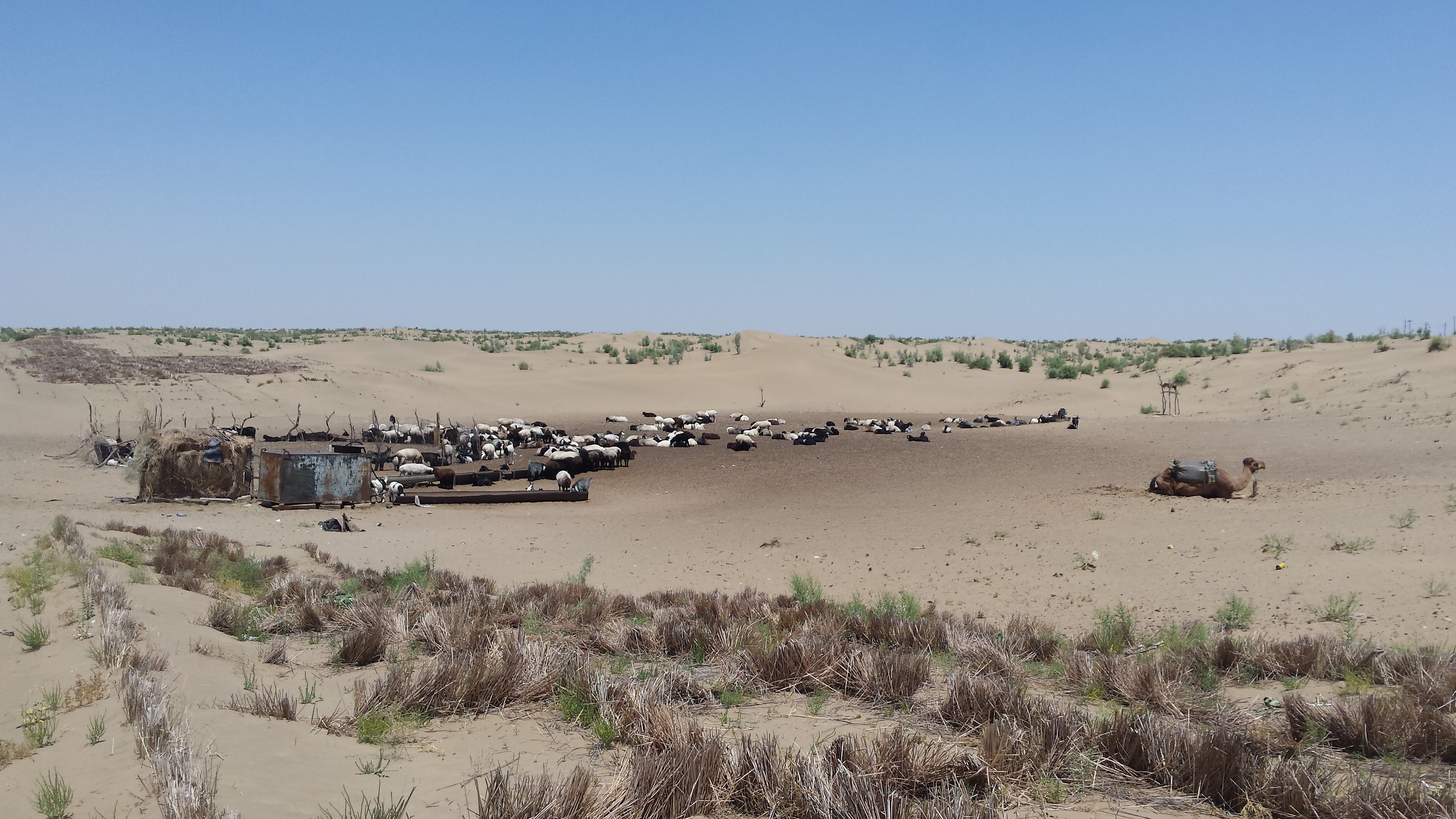
The desert contains sand, camels, camel signs, and 12% slope signs (even though the slope would not have been more than 3%).

Camel

Camel

Camel sign

Camel sign

Steep?

Steep?

The desert also contains little cute black beetles that patrol the dunes. Their footprints criss-cross the scorching sand.

Beetle

Beetle

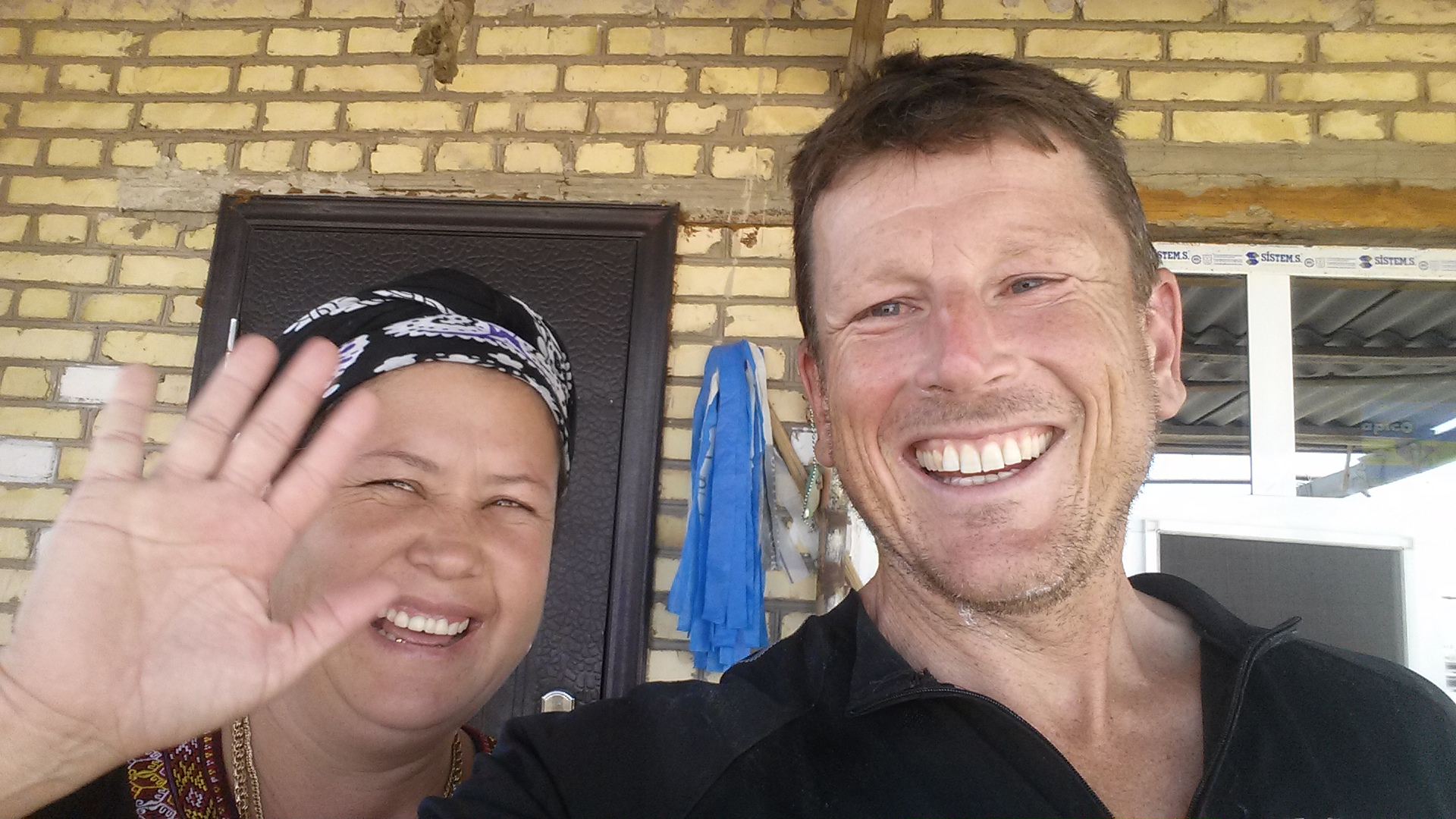
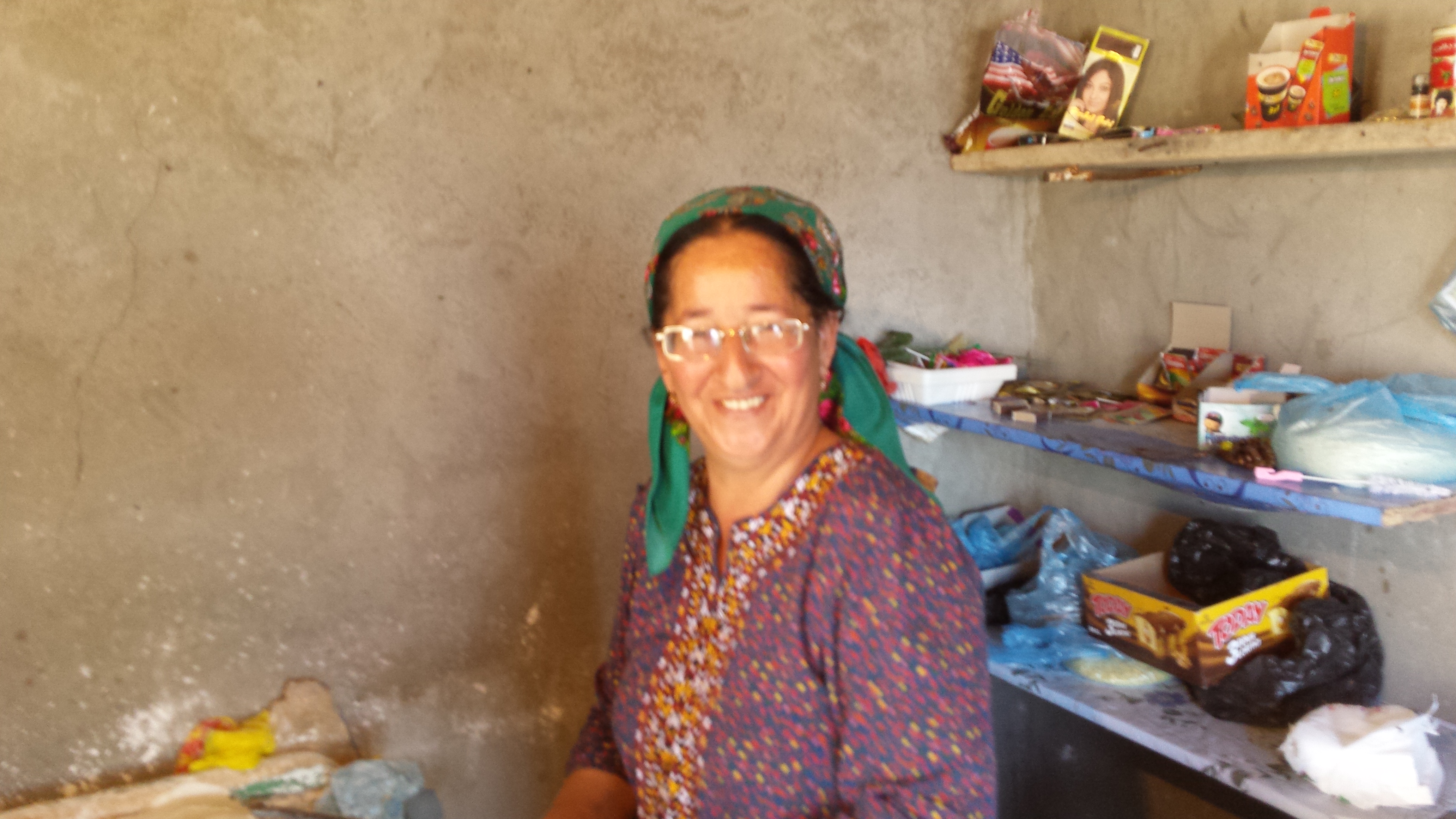
And the desert contains little villages on the train line – every 15km or so. When the heat was approaching being unbearable, I went into one of the villages and had a lovely talk with the shop owner and her children.

Shop owner

Shop owner

Desert animals

Desert animals

Hot!!

Hot!!

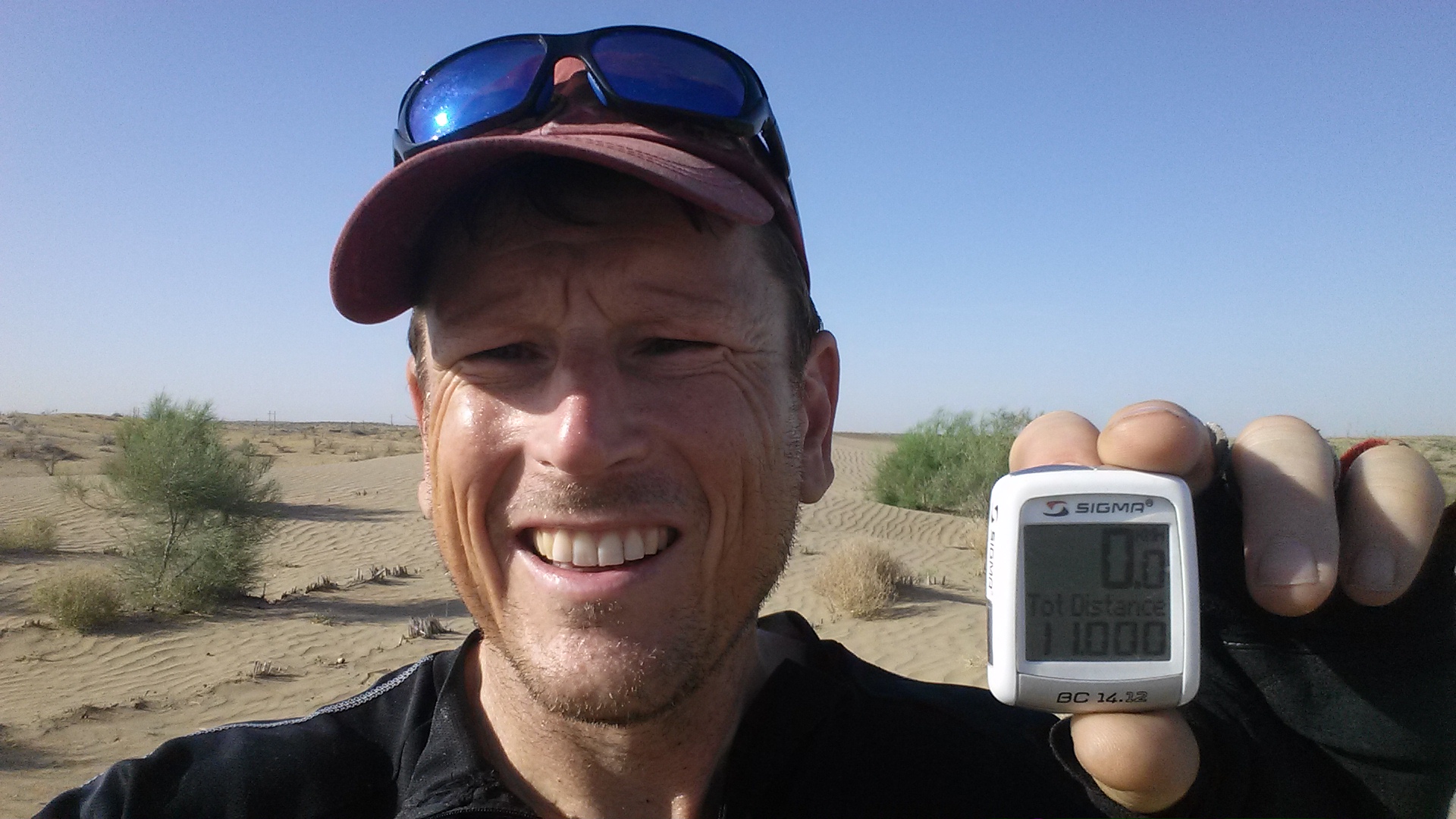
I also passed 11000km today – in the morning before the wind and the heat started.

11000km

11000km

I cycled on into the evening, and arrived at a hotel in Turkmenabat, only to be called out to by Thomas. Huh? He was miles behind me. He had taken a bus 80km back as it was too hot and too far to Turkmenabat. We are now all ready to leave Turkmenistan within the 4 days. I am proud to have made it.


Today was the day to put the foot down on the accelerator and make some kilometres to cross Turkmenistan in four days. The wind didn’t agree with this plan, made it a long day, and meant I left Thomas who was slower in the wind. Other than cycling, I tried my hand in making Turkmenistan savoury pastries – I wasn’t too good at it.

Sleepy dog

Sleepy dog

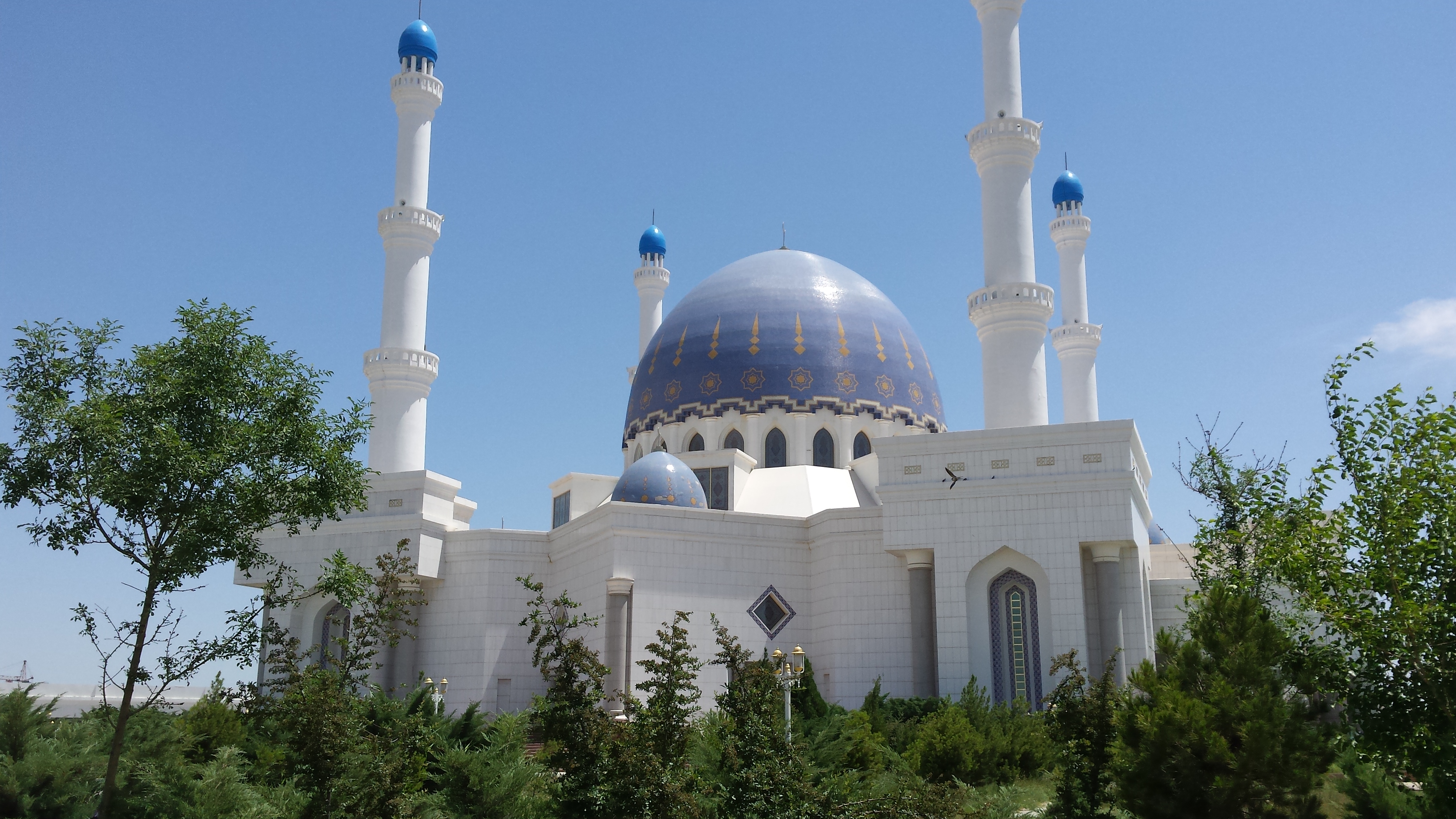
I was kind of waiting to enter the centre of the city of Mary where there were shops, people walking around, and a pleasant atmosphere. I kept on cycling on the main road, passed some big roundabouts and some impressive official buildings adorned with the president’s picture, and came out the other end. My conclusion: Turkmenistan cities are not that exciting – I much prefer the endless roads spanning the flat desolate plains. I love bleak and dry landscape. Here is a photo of the big mosque in Mary.

Mosque in Mary

Mosque in Mary

Before Mary I stopped at a tiny shop with nothing – except some lovely people that were making lunch for their family and customers. I was allowed to try to make a savoury pastry before it was stuck to the side of a clay oven. It was fascinating to watch it being made, even if my attempt to make one was a failure.

Preparing lunch

Preparing lunch

I am staying at the last café for 60km of desert. The last stretch to Turkmenabat is long, desolate, and empty. That’s for tomorrow..

P.S. I was about to go to bed and Thomas walked in to the café where I was sleeping. A big congratulation, and then he sat down to eat. He had cycled on through the evening, and joined me for the night in Zehmet.


A lizard darts across the hot, dusty road. We stop, and watch the black beetle waddle past. On either side is a flat, bare expanse – just a few shrubs dotted around, and the sun blasting down from above. Turkmenistan nature. And the people! Beautiful, friendly, and such wonderful clothes. We’ve now tasted Turkmenistan and are addicted.

In the Turkmenistan desert

In the Turkmenistan desert

We greeted the same unfriendly people at the border crossing at Iran. They were surprised we were back so quickly from Mashhad. Our papers were checked, and it looked like it was going to be another long affair before they waved us through.

We crossed the bridge over the wet patch in the dry earth that is the border. Our first experience with the beautiful clothes of the beautiful Turkmenistan people. A camouflage uniform with a floppy broad brimmed hat. A belt with a shiny metal buckle with the Turkmenistan stars.
‘Welcome to Turkmenistan!’

The women all wear a bright, colourful head scarf – such colour matches their broad smiles and the twinkle in their eyes. A small boy introduces himself in English, and asks how he can help. Everyone waves and everyone looks happy.

And then an indication of the other aspect in this country – the Turkmenistan state is watching. In the evening we are taken to our hotel room / dining room and are told to not to leave it. It is a holiday, and the hotel is meant to be closed. The hall lights are off, and the water is turned off. If the police find they are open on this happy holiday, there will be ‘problem’. I know there is a language barrier, but understand the importance of keeping quiet. Who knows what is allowed and what not on this joyous occasion adorned with a holiday.

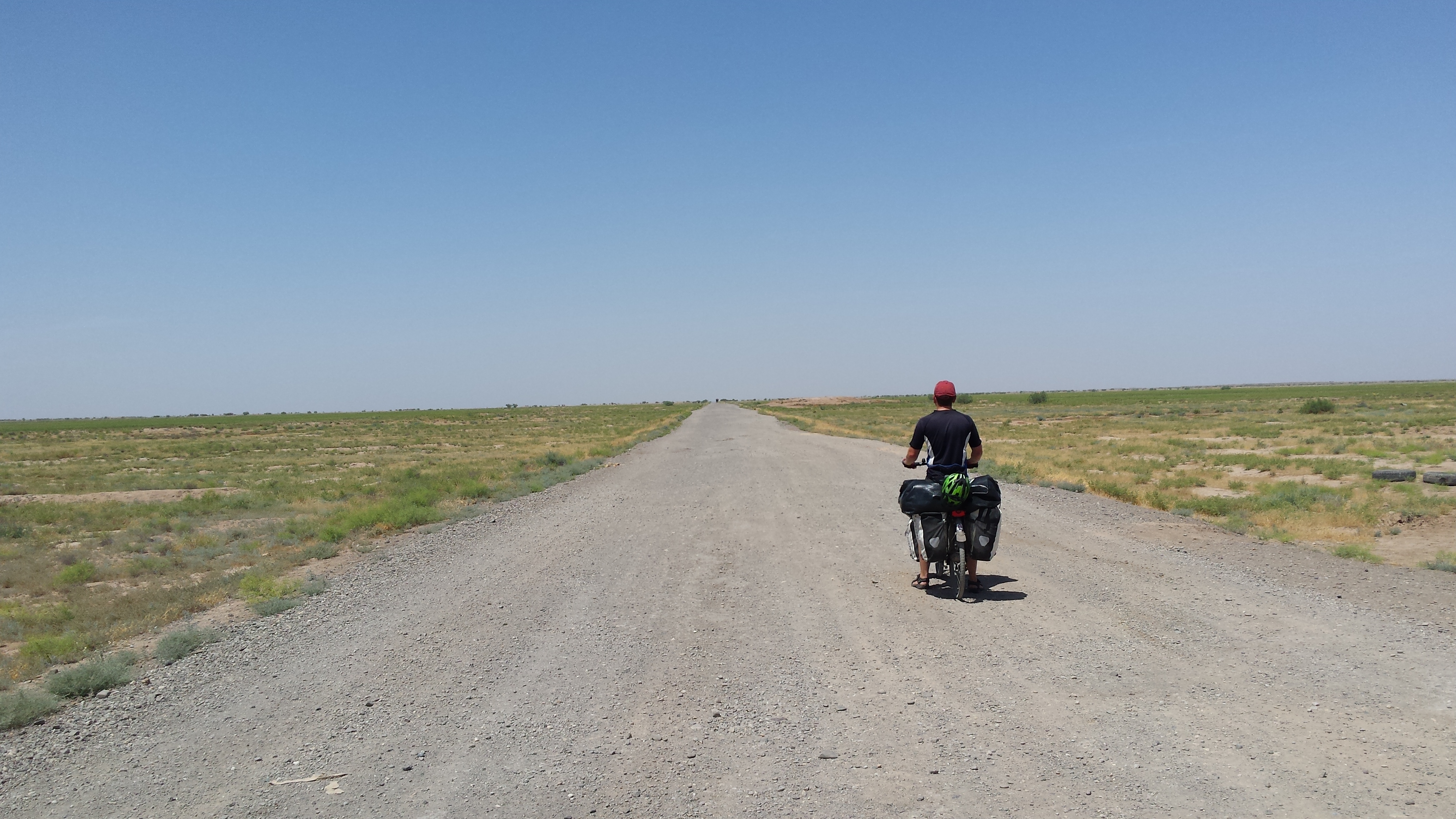
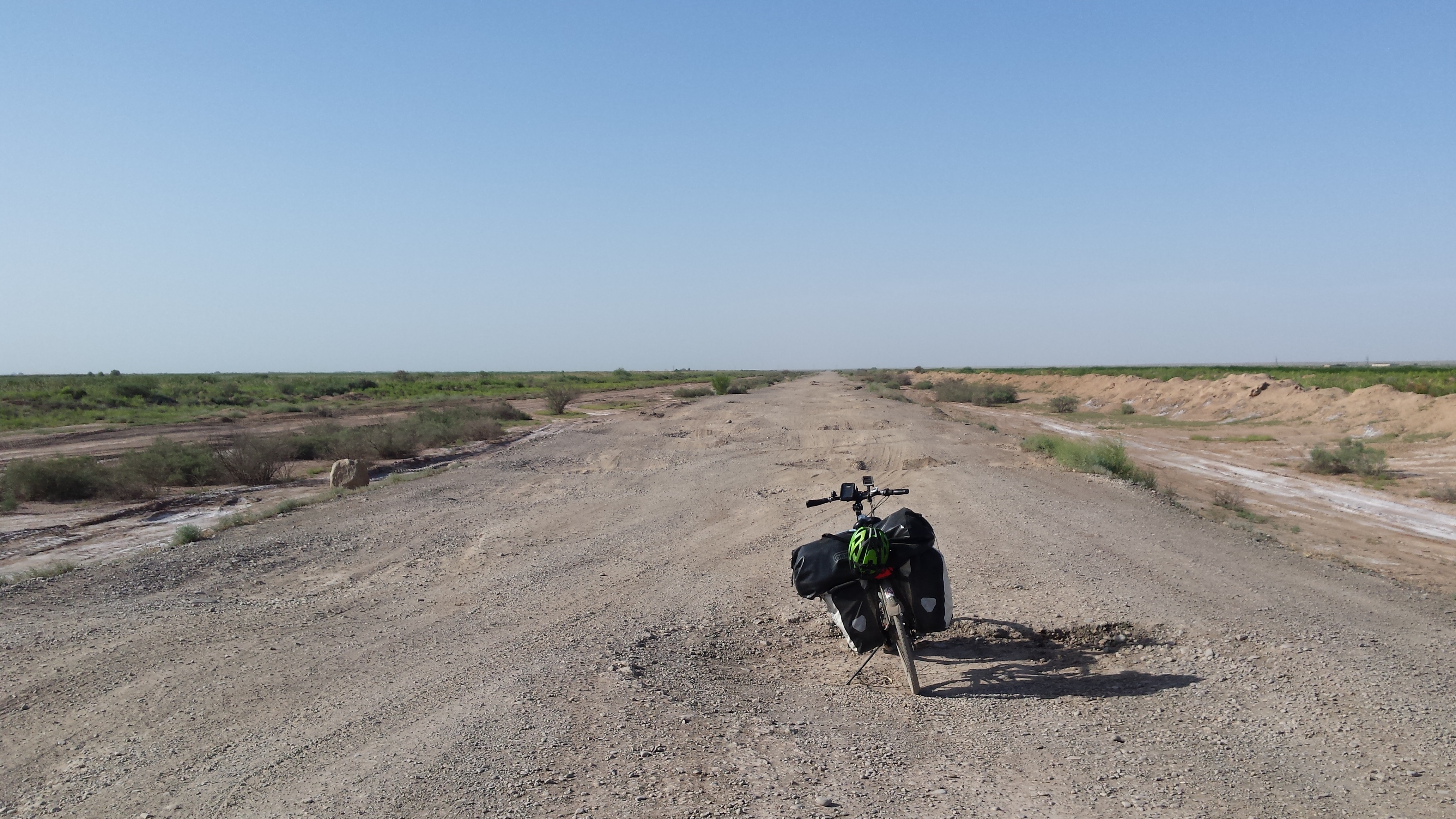
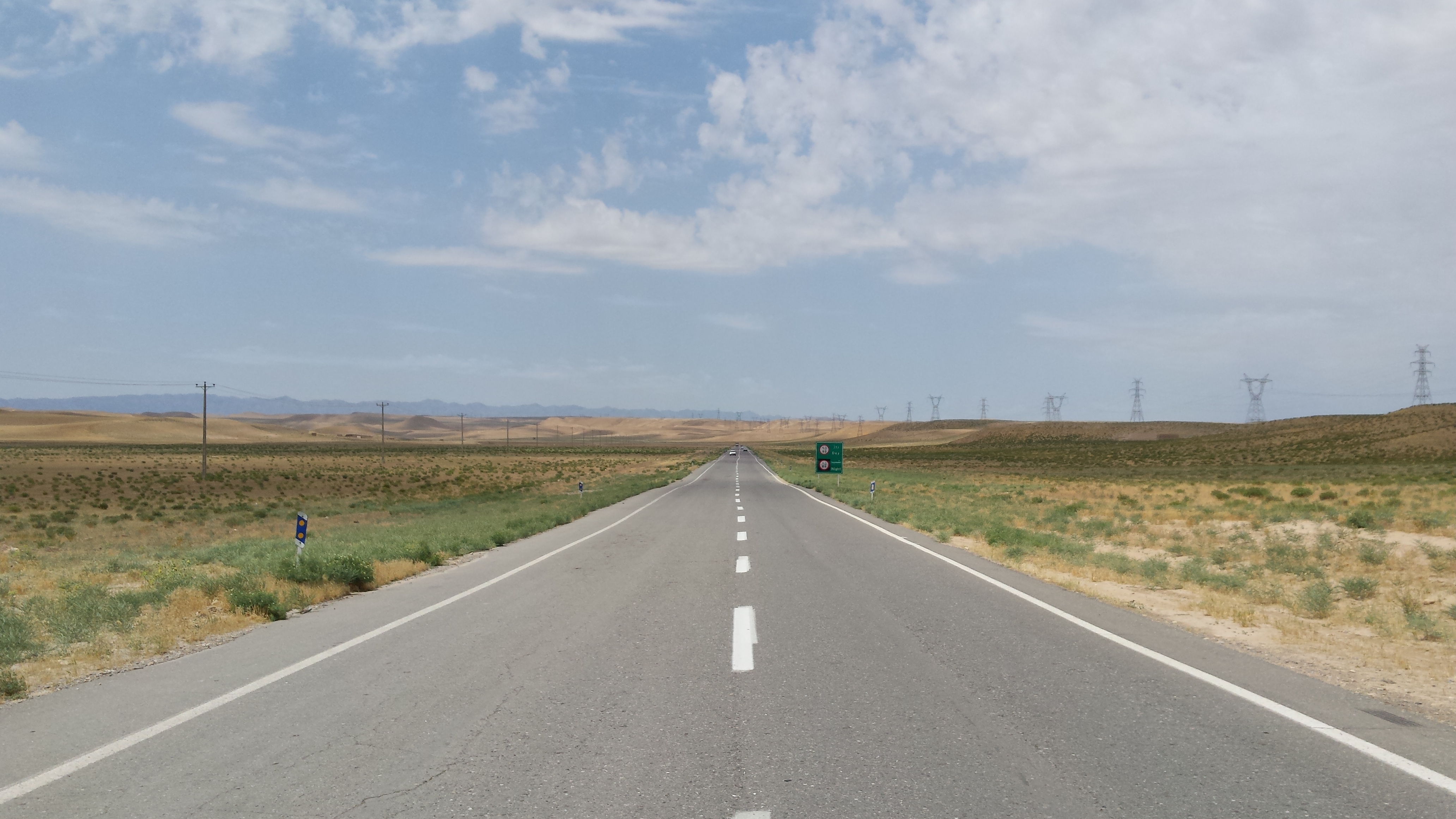
A highlight of today was the cycling. The road was small, and void of people – a truck or car passes every half an hour. Stop, and the silence reigns. It was warm, and the steady side wind worked as an airconditioner. The road was often like a slalom course through the desert. Avoiding the holes called for concentration.

The Turkmenistan desert

The Turkmenistan desert

The Turkmenistan desert

The Turkmenistan desert

On speaking to an Italian cyclist, we realized that the total distance to be travelled is under 500km. We’re going to try to do it – cross the country by bike in 4 days – not 5. We don’t have 5 days in our visa any more. It is going to be a real Turkmen dash.

Iran overview

Posted: September 8, 2015 in Cycling, Iran
Tags: ,

‘What do people in the west think about us?’
‘Do they think we are all terrorists?’
The Iranian people are the most loving, caring, welcoming people I have met, and they really want to open their hearts and show us their lives and their welcoming nature. They don’t need to, but we have been invited numerous times to stay with people that we don’t even know (yet). We are stopped on the street, or, people ring their friends in upcoming towns to welcome us. The hospitality has taken some unusual turns and sometimes I felt sudden blocks that I didn’t understand. Slowly, over time, I have learned more about the rules, which shed light on events that I, at first, did not understand.

There are different rules for men, women, singles and married people. Travelling as two (or at times more) single men, we are not allowed to stay in houses with married women. We have often been invited to stay with people, and the women and children left to stay with friends or family for the night. Other times we have been taken to other family member’s houses to sleep where there are no women or children. Some families with married women would like to host us, and see the rules more loosely, but can’t. We can’t stay because of ‘security reasons’. ‘Sorry,’ people say, shrugging their shoulders in sympathy.

The ‘information police’ enforce these laws – in some towns strictly, and in other towns they are less vigourous in their policing. The police are very polite, and strive, like the other Iranian people, to give us a good impression of Iran. We were suggested to read the open letter to young Europeans and Americans from the great leader Khameneei. Khomeni tells of how the Iranian people are a kind people, looking only for peace.
More vigourous information police search for signs that we have seen behind the veil – at family life, where people can be themselves, and show their true loving caring nature without external eyes watching. The information police checked (and then deleted) our photos and videos from Iran, and questioned us. If they see people with us in the street, these people are questioned.

At the border leaving Iran we were searched and questioned thoroughly – at the border and 200km away at the police station in Mashhad. No explanation, no telephone calls allowed, no contact with our embassy. I don’t know what they were looking for, but I was scared.

I do not want to break any rules. I just want to understand, and get to know the Iranian people.

Travelling through countries and regions that were previously unknown to me, I learn more about the history and about the people. Iran has undergone massive upheaval – the removal of a dictator, followed by turmoil and a war with Iraq. The new government brought more strict, conservative laws – the introduction of mandatory dress codes and other social rules. Women must wear hijabs, but also men have dress codes – long pants and shirts – even in the sizzling heat. One thing I didn’t know is that it is forbidden to wear a tie. They should introduce that law in the west! ☺ Also music is forbidden (and therefore also dancing – no discos and the like).

After the revolution, and the introduction of these new laws, Iran was a very strict country. It has, however, recently been undergoing a massive transformation, and it is a very different place from 10 years ago, thanks to the internet, and the connection of Iranian people directly with people from outside. Connecting with real people, you see that everyone wants the same – love, family, a good job – people go shopping, cook, go on picnics. People want to make their own choices. Now some women wear bright coloured hijabs with much hair showing at the front. Some men wear short sleeve shirts – some tight. People play music.

The west should open their doors to the Iranian people. They are curious and want to see the world too, and such an exchange can only make both sides richer!
Today we had a lovely 200km drive through the Iranian countryside, escorted by the Iranian border police – destination Mashhad immigration police station. This after a cordial 4 hour stay in the border station. The normal smiles and warmth I have learned to expect from the Iranians was missing. We were, however, offered one cup of tea! My visa was apparently old and not valid, and both Thomas and I had to pay a visit to Mashhad.

We entered the border post at the Turkmenistan border at 8:15am, we left for Mashhad at 12. Every inch of our luggage was checked without our presence in Mashhad (and on the border), Thomas was interviewed for hours, and I was left outside waiting without any explanation. We were not allowed to call the German embassy (we are both German citizens).

At 18:00 we were allowed to pay for a taxi to bring us back to where we started the day – in Sarakhs. We were also allowed to pay for our extra hotel night in Sarakhs. And we were lucky. If we had been difficult, the normal, longer protocol might have been used, which would involve an extra night in Mashhad and one extra day of delay. In that case, we might have, however, received a documented protocol of our visit. And we might have been able to speak to the German embassy. We chose the shorter protocol, and thanked out interviewer with all our hearts.

Today I felt frustrated. Frustrated that I will no longer be able to cross Turkmenistan by bike in the time remaining on my visa. I felt anger. Why was my visa invalid? I had got it from the official Iranian embassy in Tbilisi. I felt immense irritation. The people checking our papers were cordial but unfriendly. They were going to keep me, and a day was going pass. They were just doing their job. And then I felt helplessness. Noone spoke English at the immigration police in Mashhad, and could not explain the problem. I felt helplessness – we were not allowed to call a friend to translate, and we were not allowed to call the German embassy. I felt helplessness – I waited outside for hours while Thomas was being interviewed not knowing what was happening.

When waiting, my mind invented stories. Things that might be wrong. What if they do this? What if they demand that? I had done nothing wrong. Why am I here?

Thomas was the problem. He was questioned for 2 hours. I was questioned for 5 minutes. We could go. No problem. We spent the trip home in the taxi coming up with theories why it all happened. In brief, we don’t know. How do we feel about the day as a whole? We don’t know. We need to sleep over it.

I now feel I can leave, saying that I know Iran. I have experienced the people – their warmth and hospitality. I have felt the watching eye of the Iranian government. Iran is not like any country I have visited, and I am grateful for the experience to travel here.


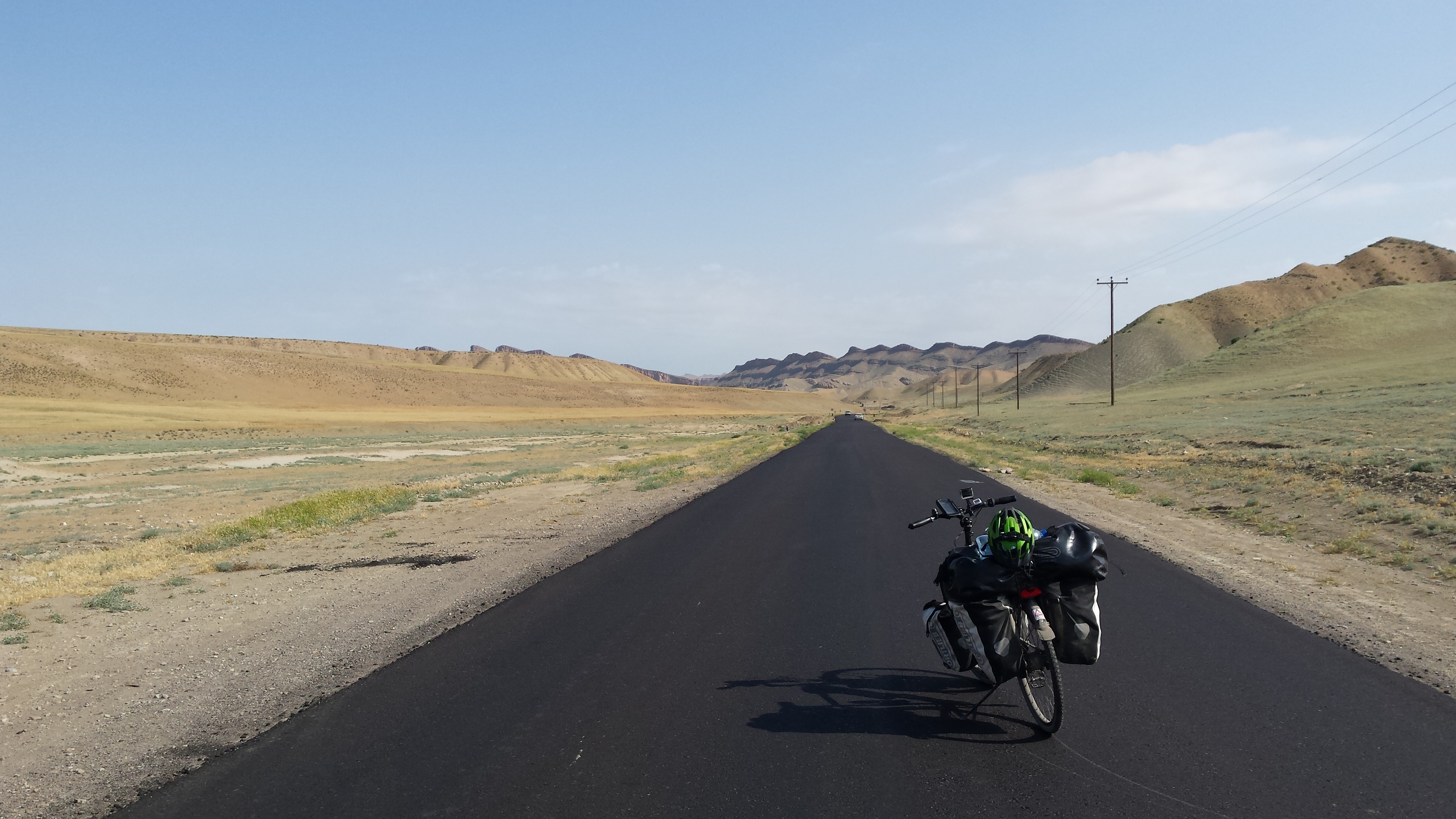
A quiet road winding through the rolling dry hills, slowly flattening out to a wide, dry expanse. Warm, but not roasting, cooled by the steady headwind, we plodded along to our goal – to be at the border of Turkmenistan, ready for the upcoming 5-day Turkmenistan dash.

The road to Sarakhs

The road to Sarakhs

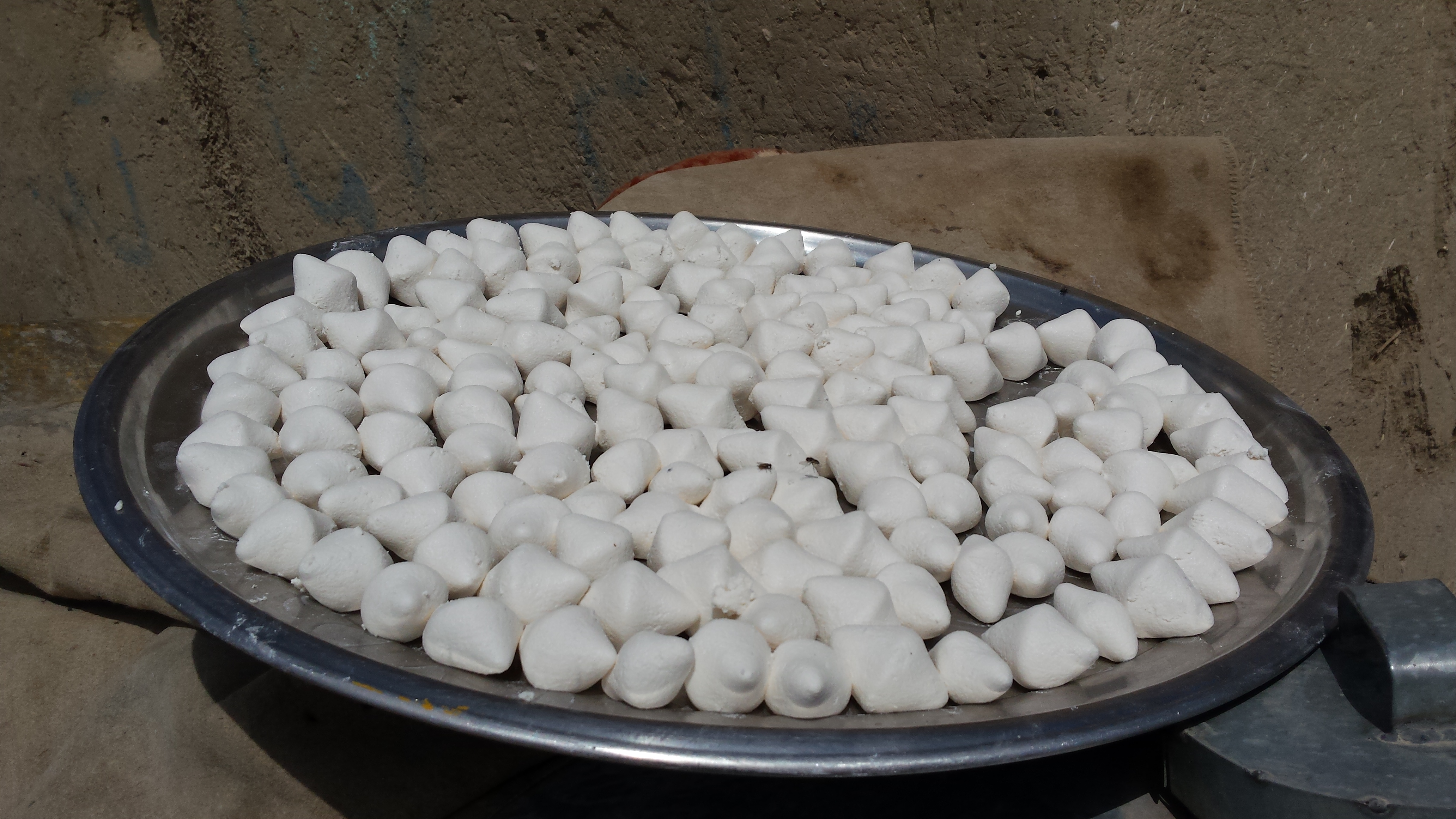
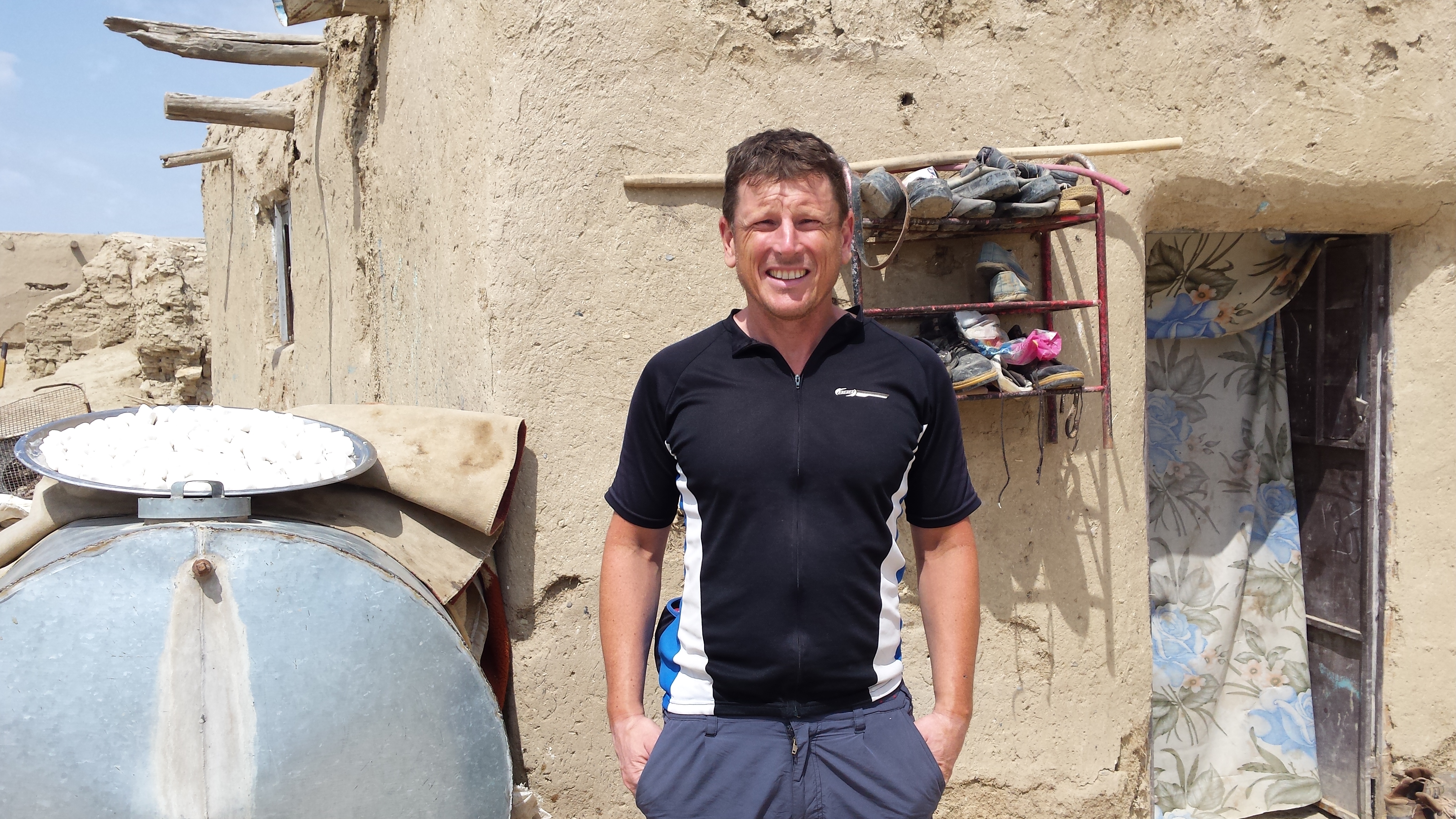
Cycling with Thomas has a different focus. We stop for scenery shots – both him and I do that. Then, all of a sudden, I find myself sitting next to a mud hut in a small village, next to the village women rolling cheese. They sit around a central metal vat with a big chunk of white gooey mass, and take handfuls, rolling it into a diamond shape for drying. Grandmothers, mothers and little kids join in, laughing and talking as they work. We sit next to them drinking the tea they gave us, and tasting the bread and cream.

Cheese?

Cheese?

The little village

The little village

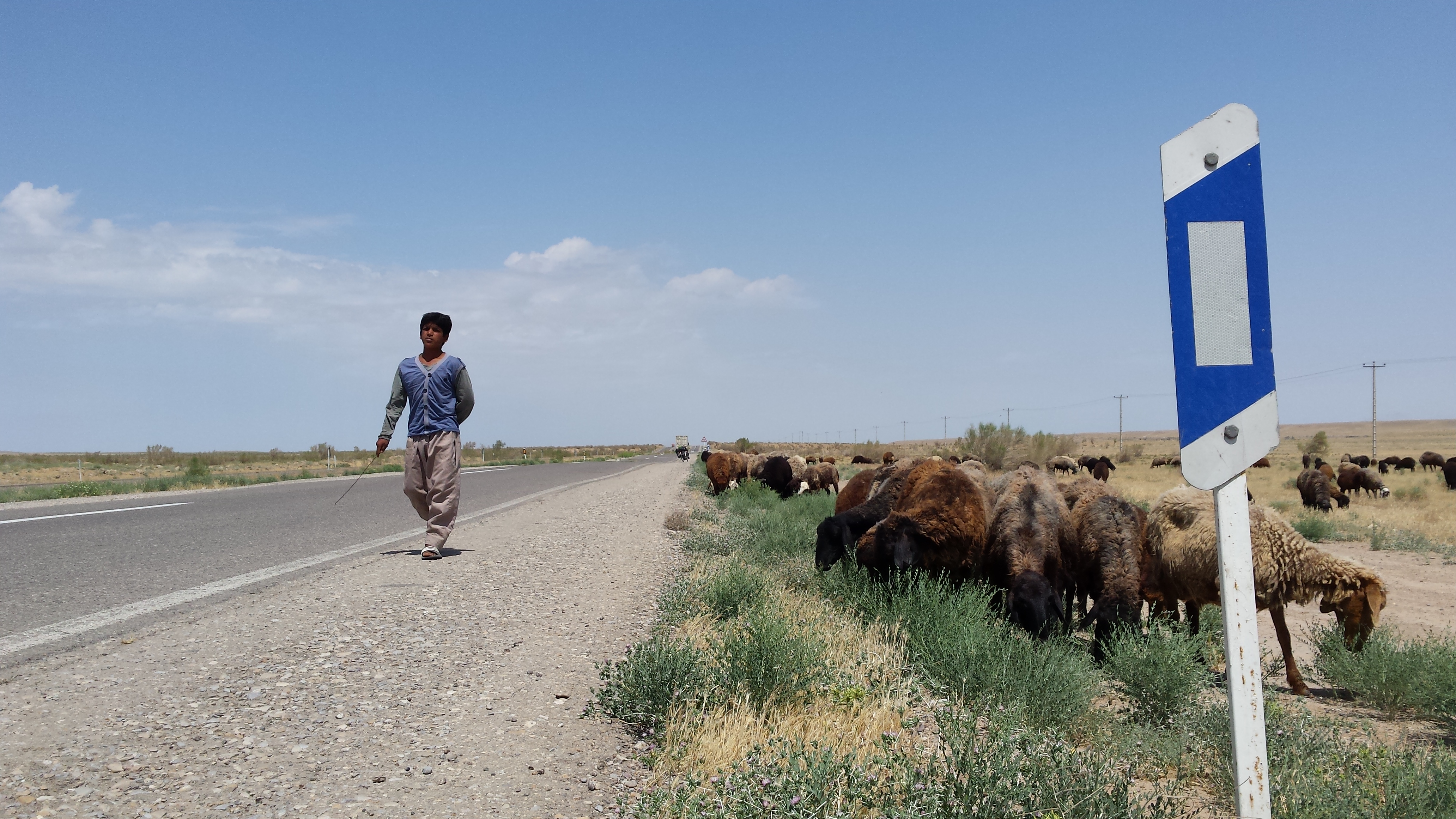
Then we stop next to a shepherd watching his sheep graze on the side of the road. A young boy – probably about 10 years old – he laughs and jokes with us. He suddenly whistles and bangs a stick on the road sign to put the sheep back into place. How life can be different to the one I have grown up with and know.

Shepherd

Shepherd

Sitting in the border town’s only hotel, our electrical devices hang from every powerpoint. Masses of water is bought, and I have filled my snack bag as well as possible in the small market that has little that I want to buy. Turkmenistan – here we come!

The road to Sarakhs

The road to Sarakhs


Three cyclists – briefly. Tea with the nomads. Riding the camels. Bats fluttering around in a huge cavern. Camping looking out over the wide expanse of barren, dry landscape. The desert is near.

Camels

Camels

I pulled up. And turned. A German number plate. It was a German that had driven from Munich, and was heading for Tajikistan. We met him again 2 km further down the road, where he had caught up with Thomas – another German cyclist that I had met in Tehran at the Turkmenistan embassy, and then again yesterday in Mashhad. Briefly there were three of us – Michael, Thomas and me. Michael continued when we stopped to say hello to some nomads, and we didn’t see him again.

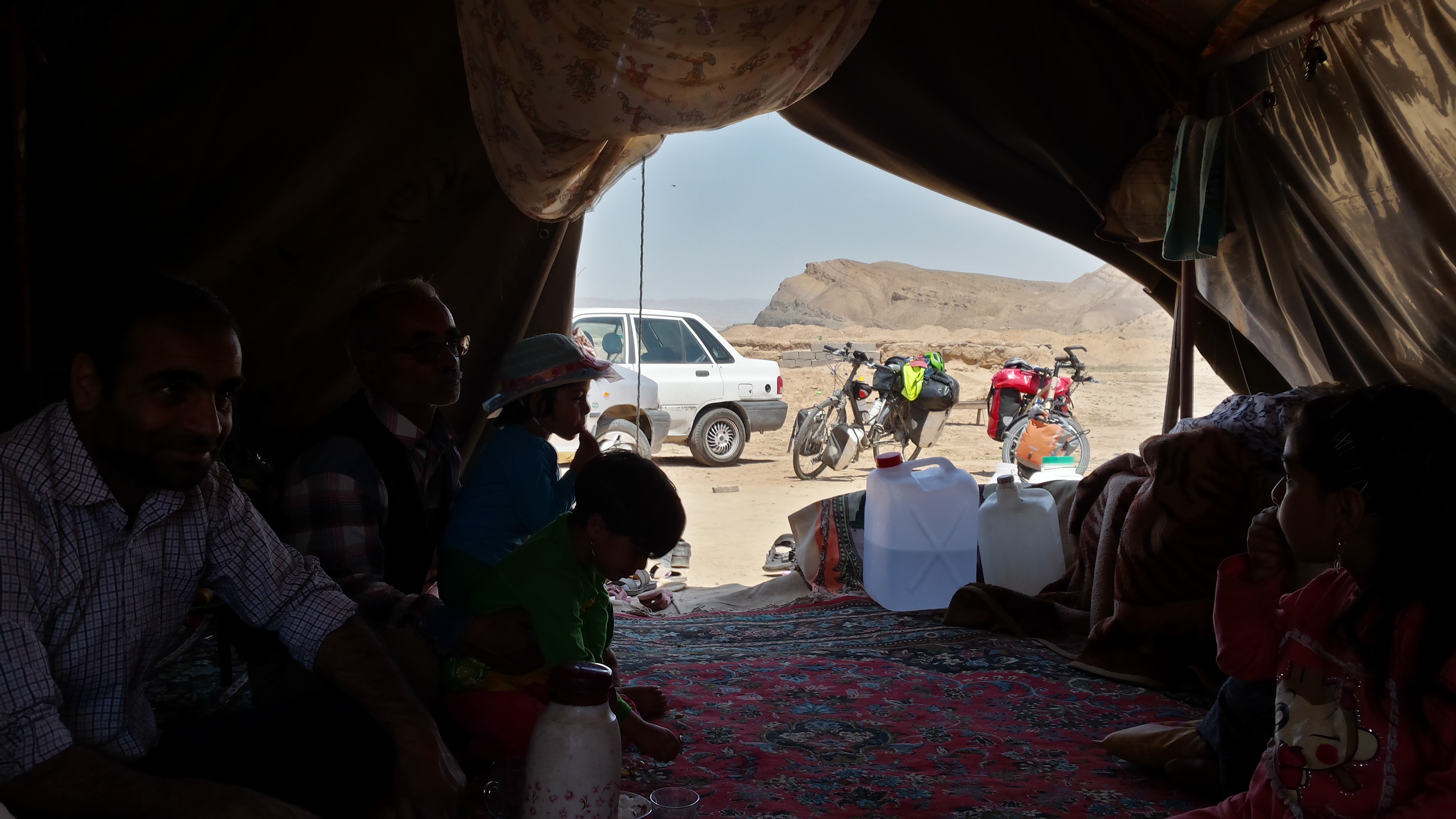
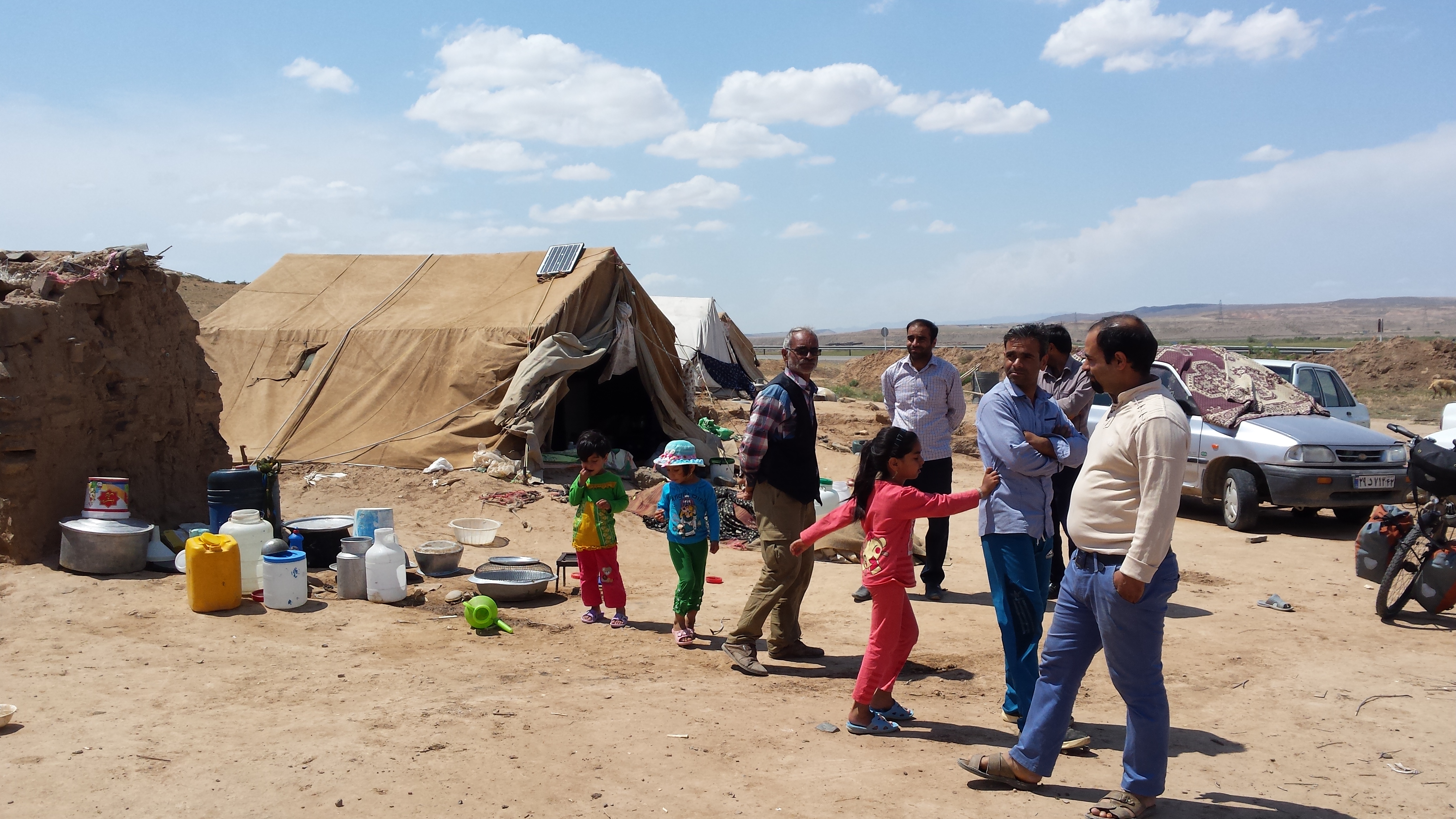
The nomads invited us in to have a cup of tea.

In the nomad's tent

In the nomad’s tent

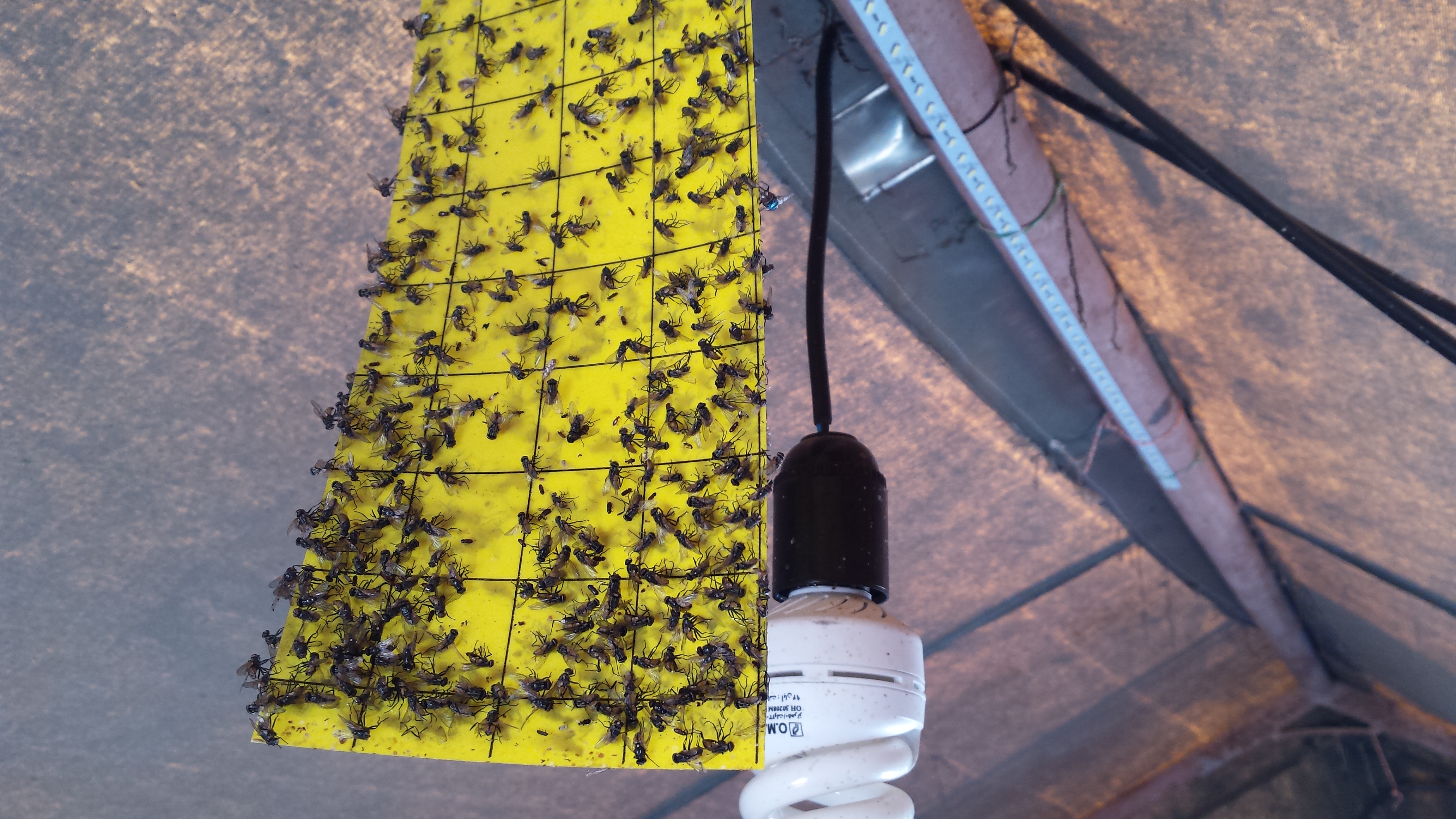
There were some flies

There were some flies

The nomads

The nomads

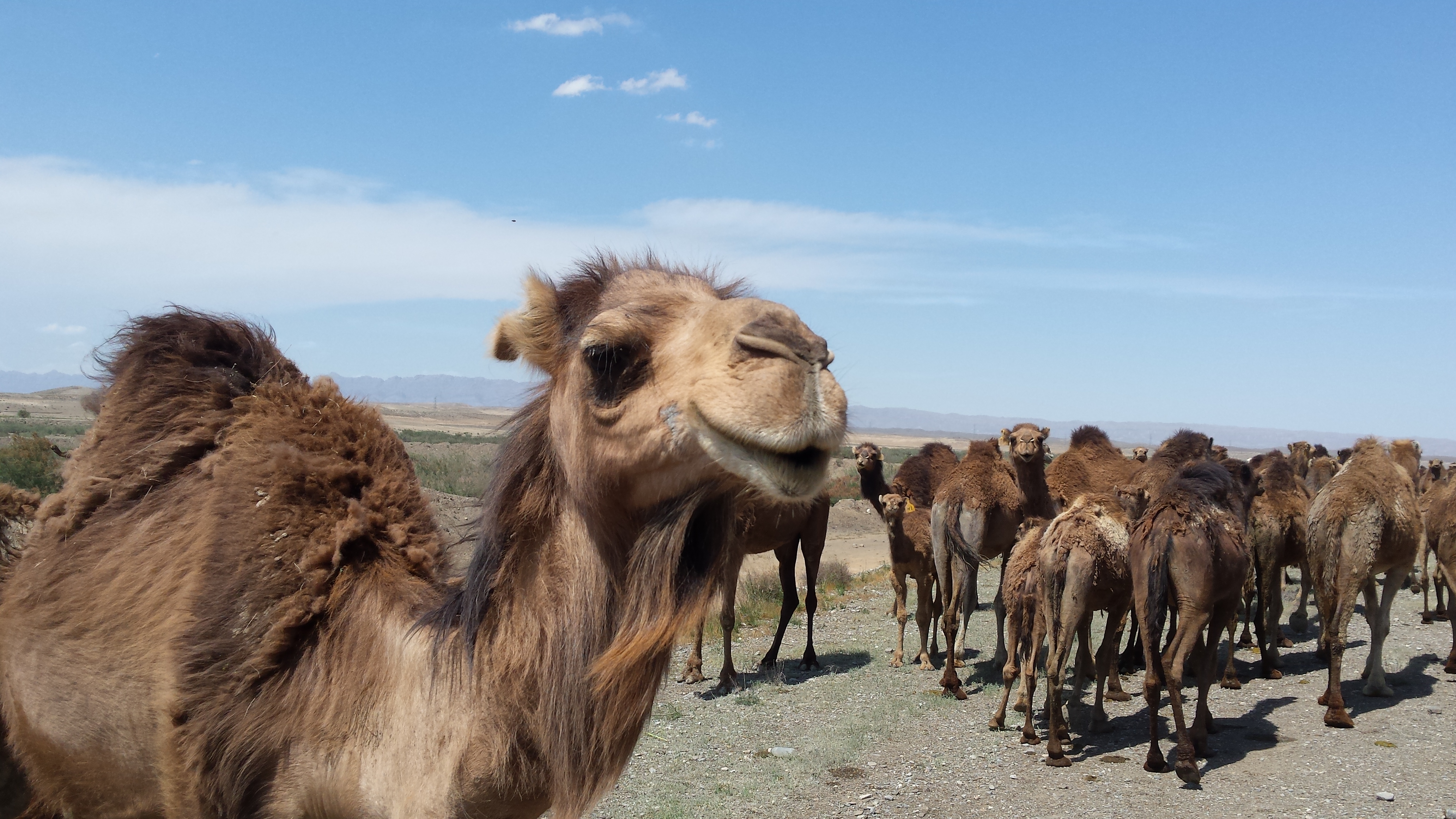
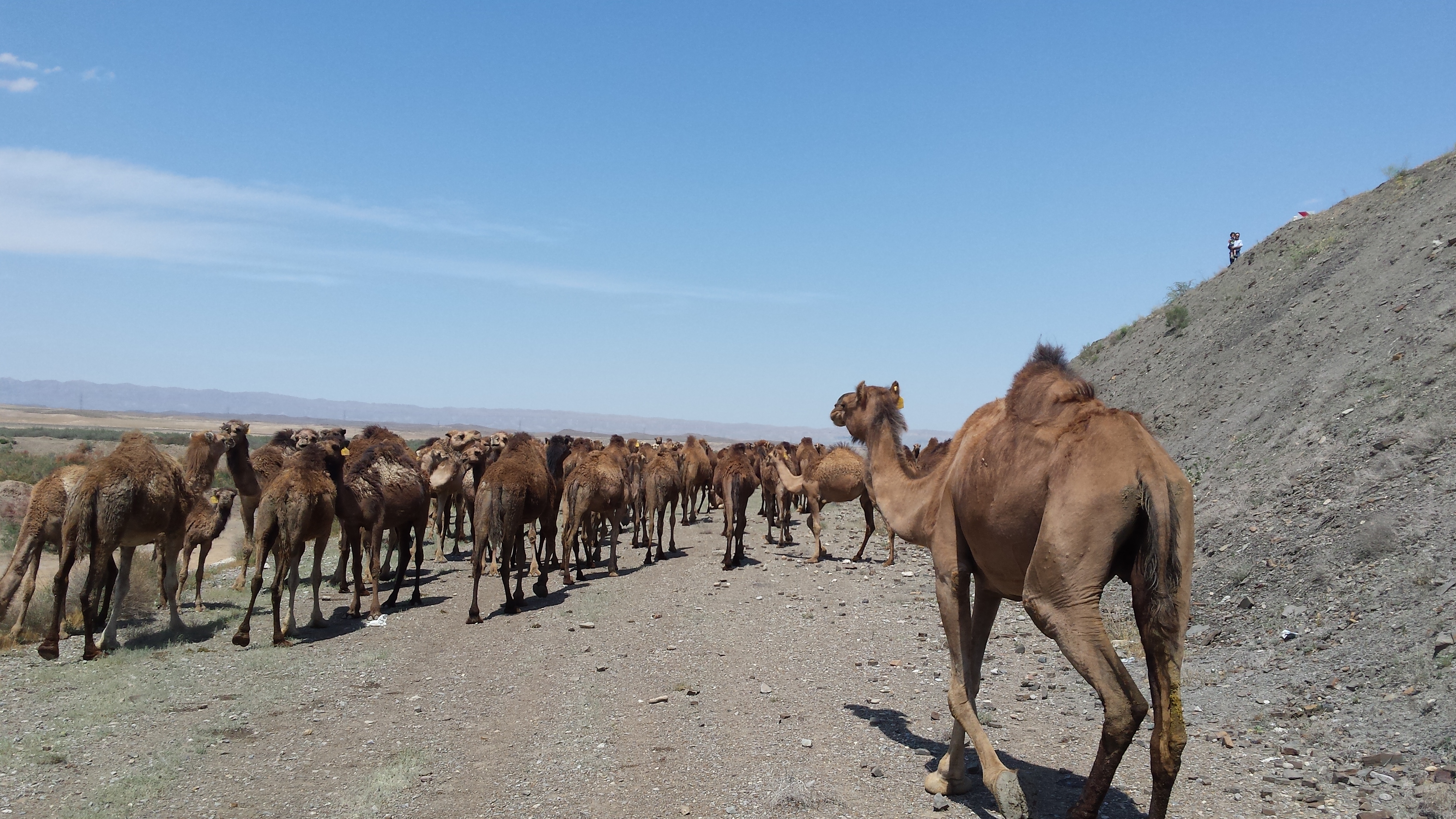
Then, just a few hundred metres further down the road, we saw camel herders. Before we knew it, we were on top of a camel, plying through the herd. It was a challenge getting off the camel. The camel didn’t like it much, groaned a lot, and refused to be patted. It was an amazing experience passing through the masses of camels. We were really welcomed by the lovely camel herders. They invited us for tea, but we had to move on.

Camels

Camels

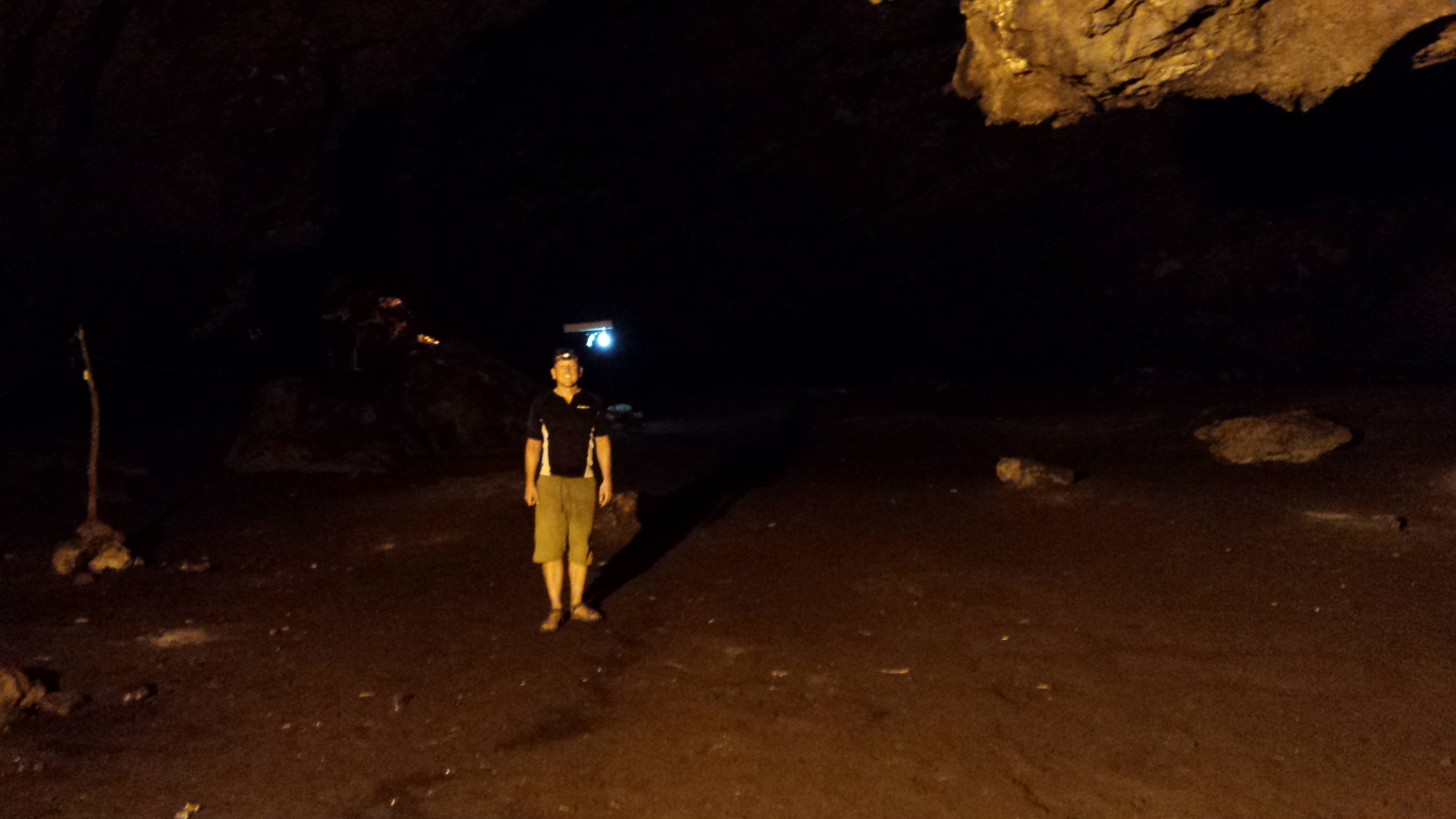
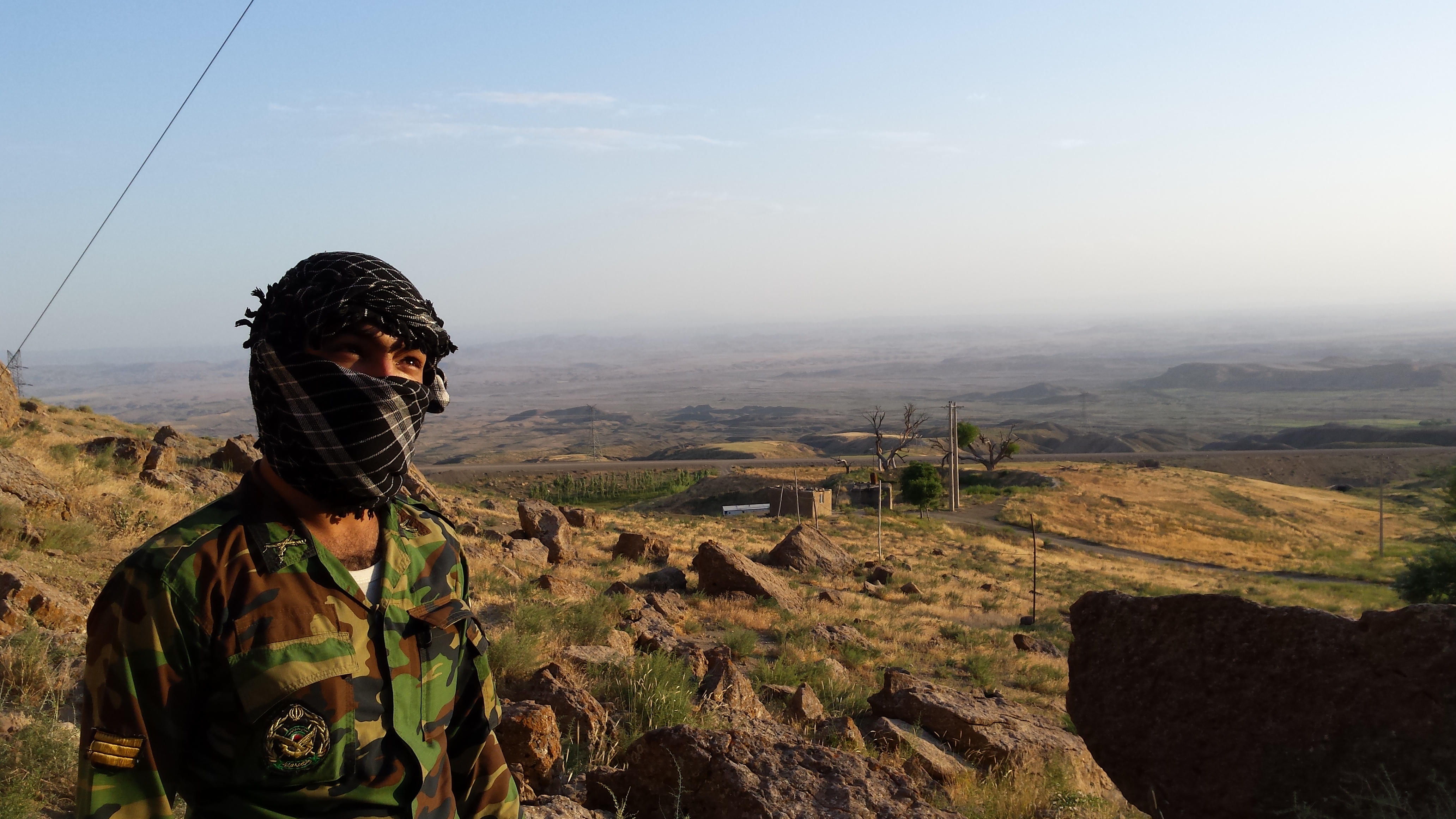
Our camp is on the top of a mountain ridge that passes through the flat desert. From our tents, you can see for miles and miles over the arid plains below. Behind us is an entrance to a massive cavern inside the rock. We entered with our head torches to marvel at the bats circling. We are under the kind protection of the men from the military base. They showed us the caves, and are making sure we are safe.

Visiting the bats

Visiting the bats

Our military protection

Our military protection